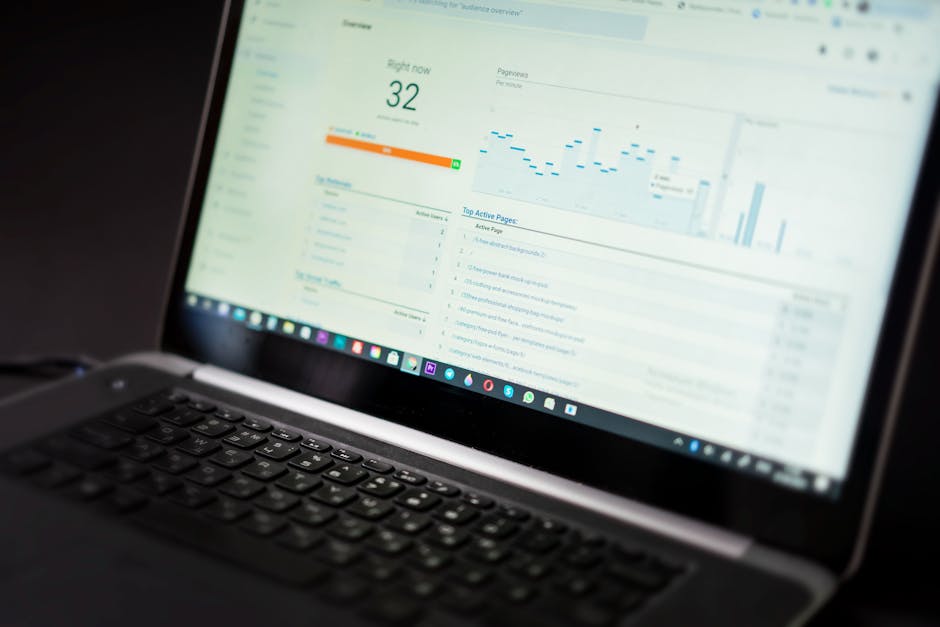
In today’s fast-paced business environment, understanding enterprise resource planning (ERP) is crucial for organizations striving to maintain a competitive edge. This comprehensive article delves into the evolution, best practices, and emerging trends in ERP systems, equipping you with the knowledge needed to navigate the complexities of implementation and integration. Whether you’re a business leader, IT professional, or simply curious about how ERP can transform operations, this guide will illuminate the path toward optimized resource management and strategic growth. Get ready to explore how ERP can revolutionize your business landscape and drive success in an ever-changing market.
What is Enterprise Resource Planning?
Enterprise Resource Planning (ERP) is a type of software used by organizations to manage and integrate the crucial parts of their businesses. An ERP software system can integrate planning, purchasing inventory, sales, marketing, finance, human resources, and more.
At its core, ERP provides a centralized framework for data management. This means that instead of having disparate systems for each department, businesses can utilize a unified system to streamline operations. But why is this important?
- Improved efficiency
- Enhanced data accuracy
- Better decision-making
By centralizing data, ERP systems help reduce redundancy and improve data integrity. This results in better communication across departments and a more agile response to market changes. Organizations can adapt their planning and management strategies based on real-time data insights.
Today, many businesses are moving towards cloud-based ERP solutions. This shift allows for greater flexibility and scalability. Companies can access their ERP systems from anywhere, which is especially beneficial for remote teams.
| Traditional ERP | Cloud-based ERP |
|---|---|
| Requires on-premise servers | Accessible from any device with internet |
| Higher upfront costs | Subscription-based pricing |
| Longer implementation time | Faster deployment |
As the business landscape evolves, the role of ERP systems continues to expand. Modern ERP solutions are now incorporating advanced technologies such as artificial intelligence and machine learning. These features enhance predictive analytics, allowing businesses to forecast trends and make proactive decisions.
Moreover, with the rise of big data, the ability to manage and analyze vast amounts of information has become crucial. ERP systems are designed to handle this data efficiently, providing insights that drive strategic planning.
- Real-time data access
- Enhanced collaboration
- Scalable solutions
In conclusion, enterprise resource planning is not just about managing resources; it’s about creating a cohesive strategy that drives business success. As organizations continue to adapt to new technologies and market demands, ERP systems will play a vital role in their growth and efficiency.
The History of Enterprise Resource Planning Systems
Enterprise Resource Planning (ERP) systems have evolved significantly since their inception. Initially, the concept of integrating various business processes into a singular system was a novel idea. The roots of ERP can be traced back to the 1960s, when businesses began using mainframe computers to automate manufacturing processes.
These early systems focused primarily on inventory management and production planning. They were rudimentary compared to today’s advanced ERP systems, but they laid the groundwork for future developments.
By the 1970s, companies started to recognize the importance of data integration across various departments. This realization led to the development of Material Requirements Planning (MRP) systems. MRP was crucial for managing manufacturing processes, but it was limited in scope.
As businesses grew more complex, the need for more comprehensive solutions became evident. Enter the 1980s, when MRP evolved into MRP II, which incorporated additional functions like finance and human resources.
- 1960s: Early automation of manufacturing processes.
- 1970s: Introduction of Material Requirements Planning (MRP).
- 1980s: Evolution to MRP II with broader functionalities.
The 1990s marked a significant turning point in the history of ERP. The term “Enterprise Resource Planning” was coined, reflecting the systems’ expanded capabilities. Companies began to adopt ERP systems that integrated all facets of business management, including finance, HR, and supply chain operations.
These systems not only improved efficiency but also provided better data analysis and reporting capabilities. This shift allowed businesses to make informed decisions based on real-time data.
As we moved into the 2000s, the rise of the internet brought about a new wave of ERP systems. Cloud computing revolutionized how businesses implemented and managed ERP solutions. No longer tied to on-premises hardware, companies could access their data from anywhere, enhancing collaboration and flexibility.
This transition to cloud-based systems also reduced the costs associated with implementation and maintenance. Businesses could now choose from a variety of ERP solutions tailored to their specific needs.
| Era | Key Developments |
|---|---|
| 1960s | Early automation of manufacturing processes |
| 1970s | Introduction of Material Requirements Planning (MRP) |
| 1980s | Evolution to MRP II with broader functionalities |
| 1990s | Coining of the term ERP; integration of business functions |
| 2000s | Rise of cloud-based ERP systems |
Today, ERP systems continue to evolve, incorporating technologies such as artificial intelligence and machine learning. These advancements are making ERP systems even more powerful, enabling businesses to predict trends and automate processes.
Isn’t it fascinating how far we’ve come? From simple inventory management to comprehensive systems that drive entire organizations, the journey of enterprise resource planning is a testament to the ever-changing landscape of business technology.
With the future looking bright, businesses must stay informed about these trends to leverage ERP systems effectively.
Key Functional Areas of ERP Systems
Enterprise Resource Planning (ERP) systems are designed to integrate and streamline various business processes. These systems cover a wide range of functional areas that are crucial for effective management and resource planning.
Understanding these key functional areas can help organizations leverage ERP systems to their fullest potential. Let’s dive into some of the main components.
- Financial Management: This area focuses on managing the organization’s financial resources, including accounting, budgeting, and forecasting.
- Supply Chain Management: It encompasses the entire flow of goods and services, ensuring that resources are used efficiently.
- Human Resources Management: This module helps manage employee data, recruitment, payroll, and performance evaluations.
Each of these areas plays a vital role in ensuring that the enterprise operates smoothly. But what about the manufacturing sector?
Manufacturing and production management is another critical area. This module helps businesses track production processes, manage inventory, and ensure quality control. By integrating these functions, ERP systems can enhance productivity and reduce operational costs.
| Functional Area | Key Features |
|---|---|
| Financial Management | Budgeting, forecasting, and financial reporting |
| Supply Chain Management | Inventory tracking, order fulfillment, and logistics |
| Human Resources Management | Employee records, payroll, and benefits administration |
Next, we have customer relationship management (CRM). This area is essential for managing interactions with current and potential customers. A robust CRM system enables businesses to enhance customer satisfaction through better service and targeted marketing efforts.
Moreover, ERP systems offer analytics and reporting capabilities. These tools help organizations make data-driven decisions by providing insights into various business operations. Isn’t it amazing how data can transform decision-making?
- Project Management: This module assists in planning, executing, and closing projects efficiently.
- Compliance Management: It ensures that organizations adhere to industry regulations and standards.
- Business Intelligence: ERP systems provide tools for analyzing data and generating reports to inform strategic decisions.
In conclusion, the key functional areas of ERP systems are integral to effective enterprise resource management. By understanding these areas, businesses can better implement ERP solutions tailored to their unique needs.
As you explore ERP options, consider how these functional areas align with your business goals. After all, the right ERP system can pave the way for enhanced efficiency and growth.
Best Practices for ERP Implementation
Implementing an enterprise resource planning (ERP) system is a significant step for any business. It can streamline processes, improve data management, and enhance overall efficiency. However, the implementation process can be complex and challenging if not approached correctly.
One of the best practices for successful ERP implementation is to thoroughly plan the process. A well-defined strategy aligns the ERP system with your business goals. This involves understanding what you want to achieve with the new system and how it will integrate with your existing operations.
When planning, consider the following key elements:
- Define clear objectives for the ERP system.
- Involve stakeholders from different departments early on.
- Assess current processes to identify areas for improvement.
Another crucial aspect is selecting the right ERP system. Not every system will fit every business. It’s essential to evaluate multiple options and choose one that caters to your specific needs. This means looking at features, scalability, and user-friendliness.
Regular training for your team is also vital. An ERP system is only as good as the people using it. Providing comprehensive training ensures that employees are comfortable navigating the system, which can significantly enhance productivity.
| Best Practices | Description |
|---|---|
| Thorough Planning | Align ERP with business goals. |
| Stakeholder Involvement | Engage various departments in the process. |
| Regular Training | Ensure team members are well-trained. |
Additionally, it’s important to focus on data migration. Transferring data from old systems to your new ERP should be done meticulously. Data integrity is crucial; any errors during this phase can lead to significant issues down the line.
After implementation, continuous evaluation is key. Monitor how well the ERP system is performing and make adjustments as necessary. This ongoing assessment helps you maximize the benefits of your enterprise resource planning system.
In summary, successful ERP implementation hinges on careful planning, the right system selection, and ongoing training. By keeping these best practices in mind, businesses can leverage their ERP systems to drive efficiency and support growth.
Have you considered how your organization will adapt to these changes? The right approach can make all the difference in achieving your business objectives.
Current Trends in Enterprise Resource Planning
Enterprise resource planning (ERP) systems are evolving rapidly, reflecting the changing landscape of business needs. As organizations strive for efficiency and integration, it’s crucial to stay updated on the latest trends in ERP.
One significant trend is the shift towards cloud-based ERP solutions. Businesses are increasingly favoring these systems for their flexibility and scalability. Why? Because they allow companies to access their data and applications from anywhere, facilitating remote work and collaboration.
- Cloud adoption enhances accessibility.
- Cost-effective maintenance and upgrades.
- Improved security features in cloud environments.
Another trend is the integration of artificial intelligence (AI) and machine learning (ML) into ERP systems. These technologies enable smarter decision-making by analyzing large datasets. Imagine having a system that can predict inventory needs or identify sales trends before they happen!
Furthermore, businesses are focusing on user experience (UX) in ERP implementations. A user-friendly interface can significantly enhance productivity. After all, if employees find the system easy to use, they are more likely to embrace it.
| Trend | Impact |
|---|---|
| Cloud-based ERP | Increased accessibility and reduced costs |
| AI and ML Integration | Enhanced data analysis and forecasting |
| Focus on UX | Improved employee adoption and productivity |
Another noteworthy trend is the move towards industry-specific ERP solutions. These systems are tailored to meet the unique needs of various sectors, such as manufacturing, healthcare, and retail. By having specialized features, businesses can optimize their operations more effectively.
Moreover, the emphasis on data analytics within ERP systems is growing. Companies are leveraging data to gain insights into their operations, customer behavior, and market trends. This data-driven approach supports better decision-making, ultimately leading to improved business outcomes.
- Industry-specific solutions enhance relevance.
- Data analytics drives informed strategies.
- Personalized customer experiences become achievable.
Lastly, the importance of cybersecurity in ERP systems cannot be overstated. As businesses become more digital, the risk of cyber threats increases. Organizations are investing in advanced security measures to protect sensitive data and maintain compliance with regulations.
In conclusion, staying abreast of these trends in enterprise resource planning is vital for any business looking to thrive in today’s competitive environment. The future of ERP is not just about managing resources; it’s about leveraging technology to drive strategic advantage.
The Importance of Data Integration in ERP
In today’s fast-paced business environment, the integration of data within enterprise resource planning (ERP) systems is more crucial than ever. Why? Because effective data integration allows organizations to streamline their operations, enhance decision-making, and improve overall efficiency.
Data integration in ERP involves consolidating information from various sources into a unified system. This not only helps in maintaining data accuracy but also ensures that all departments are on the same page. When data flows seamlessly across an enterprise, it fosters better collaboration and communication.
- Improved data accuracy
- Enhanced decision-making
- Streamlined operations
- Better collaboration
Moreover, as businesses grow, the complexity of managing data increases. An effective ERP system can handle this complexity by providing a centralized platform for data management. This means that every team, whether in sales, finance, or operations, can access real-time data tailored to their needs.
When we consider the implementation of an ERP system, data integration should be a top priority. A well-integrated system not only reduces the time spent on data entry but also minimizes errors that can arise from handling multiple data sources.
| Benefit | Description |
|---|---|
| Centralized Data | All business units access the same data for consistency. |
| Real-Time Insights | Immediate access to data leads to faster decision-making. |
As we look at the future of enterprise resource planning, data integration will likely evolve. With advancements in technology, such as artificial intelligence and machine learning, ERP systems can become even more intuitive. Imagine a system that not only integrates data but also predicts trends based on that data!
Businesses that prioritize data integration in their ERP strategies will be better positioned to adapt to changes in the market. After all, in a world where information is power, having accurate and accessible data is invaluable.
- Adaptability to market changes
- Enhanced data-driven strategies
- Increased operational efficiency
In conclusion, the importance of data integration in ERP systems cannot be overstated. As enterprises continue to navigate complex challenges, a robust ERP system with integrated data will be a key asset. Are you ready to harness the power of data integration in your business?
How ERP Systems Support Business Management
Enterprise resource planning (ERP) systems are crucial for modern business management. They integrate various functions into one complete system to streamline processes and information across the organization.
These systems help businesses manage their resources more effectively, allowing for better decision-making. By centralizing data, ERP systems facilitate real-time insights that can enhance operational efficiency.
One of the key benefits of ERP is improved data accuracy. When all departments use a single system, the risk of errors decreases significantly. This unified approach ensures that everyone is working with the same information, which is vital for effective management.
Moreover, ERP systems support better planning and forecasting. With access to comprehensive data, businesses can analyze trends and predict future needs. This capability is essential for staying competitive in today’s fast-paced market.
- Improved data accuracy
- Enhanced planning and forecasting
- Streamlined business processes
Furthermore, ERP systems provide tools for better resource management. Companies can track inventory levels, manage supply chains, and optimize workforce allocation. This level of oversight is invaluable for minimizing costs and maximizing productivity.
The implementation of ERP systems can transform how businesses operate. However, it requires careful planning and a clear strategy to ensure success. Organizations must evaluate their specific needs and choose a system that aligns with their goals.
| Key Features of ERP Systems | Benefits |
|---|---|
| Centralized Data Management | Improved accuracy and consistency |
| Real-time Reporting | Informed decision-making |
| Automated Processes | Increased efficiency |
As businesses continue to evolve, the role of ERP systems will only grow. They are no longer just tools for resource planning; they are integral to strategic management.
So, how can your organization leverage these systems? Tailoring the implementation to your specific needs can lead to significant improvements in business performance.
By adopting an ERP system, companies can navigate the complexities of modern business management with greater ease and confidence. The future of enterprise resource planning looks promising, and staying informed on trends will help businesses make the most of these powerful tools.
Challenges in ERP Implementation and Solutions
Implementing enterprise resource planning (ERP) systems can be a daunting task for many businesses. While the potential benefits are significant, the challenges that come with ERP implementation can often overshadow them. Understanding these challenges is crucial for successful deployment.
One major hurdle is resistance to change. Employees may feel threatened by new systems that alter their workflows. This can lead to pushback, negatively impacting the implementation process.
To overcome this, it’s essential to involve employees early on. Training sessions and open discussions can help ease concerns and build a culture of acceptance.
- Engage employees in the planning process.
- Provide comprehensive training.
- Communicate the benefits clearly.
Another challenge is data migration. Businesses often have vast amounts of data that need to be transferred from legacy systems to the new ERP system. This process can be time-consuming and fraught with errors if not managed properly.
It’s vital to develop a clear data migration strategy. This should include data cleansing and validation to ensure accuracy.
Additionally, having a backup plan can save businesses from potential data loss during the transition.
| Challenge | Solution |
|---|---|
| Resistance to Change | Involve employees early and provide training |
| Data Migration Issues | Develop a clear strategy with data cleansing |
Another significant challenge is the integration of ERP systems with existing business processes. Many businesses have unique workflows, and a one-size-fits-all ERP solution may not fit seamlessly.
Customization might be necessary, but it can lead to increased costs and extended timelines.
Here, it’s essential to have a thorough understanding of both the ERP capabilities and the business processes involved.
- Assess existing workflows before implementation.
- Consider the need for customization carefully.
- Consult with ERP vendors about integration options.
Finally, ongoing support is often overlooked. Post-implementation, businesses need to ensure they have adequate support for troubleshooting and updates.
Without this, systems can quickly become outdated or malfunction, leading to disruptions in business operations.
Establishing a dedicated support team can help address these issues promptly, ensuring the ERP system continues to meet business needs.
In conclusion, while the challenges of ERP implementation are significant, they are not insurmountable. With careful planning and proactive strategies, businesses can navigate these hurdles effectively and reap the benefits of their new enterprise resource planning systems.
The Role of ERP in Manufacturing Processes
In today’s fast-paced manufacturing environment, enterprise resource planning (ERP) systems play a crucial role. They integrate various business processes, enabling manufacturers to streamline operations and enhance productivity. But what exactly does that mean for businesses?
ERP systems allow manufacturers to manage resources effectively. By consolidating data across departments, these systems provide a comprehensive view of operations. This visibility is essential for informed decision-making.
One of the key benefits of ERP in manufacturing is improved inventory management. With real-time data, businesses can track stock levels, forecast demand, and reduce excess inventory. This not only cuts costs but also minimizes waste.
- Enhanced visibility into inventory levels
- Accurate demand forecasting
- Reduction in carrying costs
Moreover, ERP systems facilitate better production planning. By analyzing historical data, manufacturers can optimize production schedules. This leads to more efficient use of resources and reduced downtime.
Have you ever considered how vital data is in today’s manufacturing processes? The ability to access and analyze data quickly can set a business apart from its competitors.
Incorporating ERP into manufacturing processes also supports compliance and quality management. With built-in reporting tools, businesses can easily track compliance with industry standards. This is especially important in highly regulated industries.
| Compliance Aspect | ERP Contribution |
|---|---|
| Regulatory Reporting | Automated data collection and reporting |
| Quality Control | Integrated quality management tools |
As businesses implement ERP systems, they often see improved collaboration across teams. With everyone accessing the same data, communication becomes clearer. This collaboration fosters innovation and responsiveness to market changes.
What about the challenges? While ERP implementation can be daunting, the long-term benefits outweigh the initial hurdles.
Furthermore, ERP systems can enhance supply chain management. By providing real-time insights into supplier performance, manufacturers can make better procurement decisions. This agility is vital in maintaining a competitive edge.
In summary, the role of ERP in manufacturing processes cannot be overstated. From resource management to compliance and supply chain optimization, ERP systems are integral to modern manufacturing.
As you consider the future of your manufacturing business, think about how an ERP system could transform your operations. Wouldn’t it be great to harness the power of integrated data for better decision-making?
In conclusion, enterprise resource planning (ERP) systems serve as the backbone of modern business operations, integrating various functions into a cohesive framework that enhances efficiency, visibility, and decision-making. As organizations navigate an increasingly complex and competitive landscape, the adoption of ERP solutions becomes not just a strategic advantage but a necessity. By streamlining processes, improving data accuracy, and fostering collaboration across departments, ERP systems empower businesses to respond swiftly to market changes and customer demands.
The journey toward implementing an ERP system can be daunting, but the long-term benefits far outweigh the initial challenges. Companies that invest in a robust ERP solution position themselves to harness real-time insights, optimize resource allocation, and ultimately drive growth. Moreover, with the rise of cloud-based ERP solutions, businesses of all sizes can access powerful tools that were once the domain of large enterprises, leveling the playing field and enabling innovation.
As you consider your organization’s future, reflect on how enterprise resource planning can transform your operations. Evaluate your current processes, identify areas for improvement, and explore ERP options that align with your strategic goals. Whether you are looking to improve supply chain management, enhance customer relationship management, or streamline financial reporting, a tailored ERP system can provide the framework necessary to achieve these objectives.
Ultimately, the successful implementation of an ERP system is not merely about technology; it is about fostering a culture of continuous improvement and adaptability. By embracing the principles of enterprise resource planning, organizations can not only enhance their internal efficiencies but also create a more resilient and responsive business model that thrives in today’s fast-paced environment. As we move forward, the role of ERP in shaping the future of business will only become more pronounced, making it an essential consideration for any forward-thinking organization.
Leave a Reply