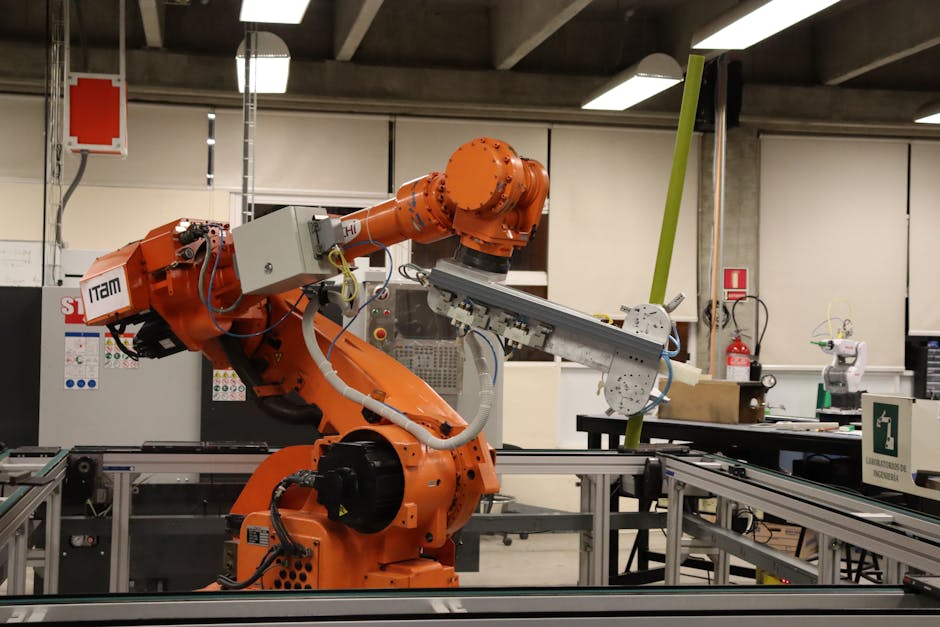
In today’s fast-paced digital landscape, businesses are constantly seeking ways to enhance efficiency and reduce operational costs. Intelligent process automation (IPA) emerges as a game-changer, combining advanced technologies like artificial intelligence and machine learning to optimize workflows. This article will delve into what intelligent process automation is, explore its core components, and highlight the numerous benefits it offers for modern enterprises. By understanding IPA, you can unlock new opportunities for streamlining tasks and elevating customer experiences, ultimately driving your business forward.
What is Intelligent Process Automation (IPA)?
Intelligent Process Automation (IPA) is a transformative approach that combines automation technologies with artificial intelligence (AI). It enhances traditional process automation by adding a layer of intelligence, enabling systems to perform tasks that typically require human judgment.
So, what does this mean for businesses? Essentially, IPA allows organizations to streamline their operations by automating repetitive tasks while also making decisions based on data analysis. This not only increases efficiency but also improves accuracy.
- Reduces human error
- Enhances decision-making
- Increases operational efficiency
At its core, IPA integrates various technologies, including Robotic Process Automation (RPA), machine learning, and natural language processing. RPA handles structured tasks, while AI provides the necessary insights for more complex decision-making processes.
Imagine a scenario where a business needs to process hundreds of invoices daily. With traditional automation, the system can input data from invoices but may struggle with variations in formats. With IPA, the system learns from past invoices, adapts to new formats, and even flags discrepancies for human review.
| Technology | Function |
|---|---|
| RPA | Automates repetitive tasks |
| Machine Learning | Learns from data to improve accuracy |
| Natural Language Processing | Enables understanding of human language |
This blend of technologies allows for a more dynamic approach to business processes. As IPA evolves, it continuously learns from new data, improving its efficiency and effectiveness over time. This adaptability is crucial in today’s fast-paced business environment.
Moreover, IPA doesn’t just stop at automating tasks; it also enhances the way businesses interact with customers. By utilizing intelligent automation, companies can provide quicker responses and more personalized experiences, ultimately leading to higher customer satisfaction.
- Improves customer experience
- Enables faster service delivery
- Facilitates data-driven decision making
In summary, Intelligent Process Automation is not just about replacing human efforts; it’s about augmenting them. By allowing machines to handle mundane tasks, businesses can free up human resources for more strategic initiatives. This shift not only enhances productivity but also fosters innovation.

As organizations continue to explore the potential of IPA, they are likely to find new ways to leverage intelligent automation. The future is bright for businesses willing to embrace these advanced technologies.
The 3 Key Components of Intelligent Automation
Intelligent process automation (IPA) is transforming the way businesses operate. It combines advanced technologies to streamline tasks and enhance efficiency. To understand what is intelligent process automation, we need to explore its three key components: automation, artificial intelligence (AI), and data analytics.
1. Automation
At its core, automation is about performing tasks without human intervention. This can include everything from simple repetitive tasks to complex workflows. By automating mundane processes, businesses can free up human resources for more strategic activities.
But what types of automation are we talking about?
- Robotic Process Automation (RPA)
- Process Automation
- Task Automation
RPA is a significant player here. It uses software robots to mimic human actions within digital systems. This allows organizations to handle high-volume, repetitive tasks efficiently.
2. Artificial Intelligence
Next, we have artificial intelligence. AI enhances automation by enabling systems to learn from data and make decisions. This is where intelligent automation really shines.
Imagine a system that not only automates invoice processing but also learns to detect anomalies. This is the power of AI in intelligent automation.
| AI Capabilities | Examples |
|---|---|
| Machine Learning | Predicting customer behavior |
| Natural Language Processing | Chatbots for customer service |
The integration of AI into automation creates a more intelligent system. This means fewer errors and faster decision-making. It’s a win-win for businesses looking to innovate.
3. Data Analytics
Finally, data analytics is crucial for intelligent automation. It provides the insights needed to optimize processes. By analyzing data, businesses can identify inefficiencies and areas for improvement.
Have you ever wondered how companies predict trends?
Data analytics plays a vital role here. It helps organizations make informed decisions based on real-time information.
- Performance Metrics
- Customer Insights
- Operational Efficiency
With the right data, businesses can refine their automation strategies. This leads to continuous improvement and better outcomes.
In summary, the three key components of intelligent automation-automation, artificial intelligence, and data analytics-work together to revolutionize business processes. Understanding these elements is the first step in leveraging intelligent automation effectively.
Benefits of Intelligent Process Automation for Businesses
Intelligent Process Automation (IPA) is transforming the way businesses operate. By combining automation technologies with artificial intelligence, companies can streamline their processes and enhance efficiency. But what exactly does this mean for a business?
One of the primary benefits of intelligent process automation is the significant reduction in operational costs. By automating repetitive tasks, businesses can allocate resources more effectively. This not only saves money but also allows employees to focus on higher-value activities.
- Cost savings through reduced labor expenses
- Increased efficiency in completing tasks
- Enhanced employee satisfaction by reducing mundane work
Moreover, IPA enables businesses to improve accuracy and reduce errors. Human involvement in mundane tasks can often lead to mistakes. Intelligent automation minimizes these risks, ensuring that data is processed correctly every time.
Think about it: how often do human errors disrupt processes? With intelligent automation, businesses can achieve higher consistency and reliability in their operations. This is particularly important in industries like finance or healthcare, where precision is critical.
| Benefit | Impact |
|---|---|
| Cost Efficiency | Lower operational costs |
| Error Reduction | Improved data accuracy |
| Employee Engagement | More focus on strategic tasks |
Another significant advantage of intelligent automation is enhanced scalability. As businesses grow, so do their processes. IPA allows companies to scale their operations without a proportional increase in costs or resources. Automated systems can handle increased workloads seamlessly.
Isn’t it fascinating how technology can adapt to meet the demands of a growing business? With IPA, companies can respond to market changes more quickly, giving them a competitive edge.
- Seamless scaling of operations
- Quick adaptation to market changes
- Improved customer satisfaction through faster service
In conclusion, the benefits of intelligent process automation are numerous and impactful. From cost savings to scalability, IPA empowers businesses to enhance their operations significantly. As more companies adopt intelligent automation, the landscape of business processes will continue to evolve, making it essential for organizations to stay ahead of the curve.
Applications of Intelligent Automation Across Industries
Intelligent process automation (IPA) is revolutionizing how businesses operate across various sectors. By combining traditional automation with artificial intelligence, organizations can streamline their processes and enhance productivity. But what does this mean for different industries?
One of the most significant applications of intelligent automation is in the financial sector. Banks and financial institutions are leveraging RPA (Robotic Process Automation) to automate repetitive tasks such as data entry, transaction processing, and compliance checks. This not only reduces human error but also speeds up processes, allowing staff to focus on more strategic tasks.
- Data processing and analysis
- Fraud detection and prevention
- Customer onboarding
In healthcare, intelligent automation is transforming patient care and administrative processes. Hospitals are using IPA to manage patient records, schedule appointments, and even assist in diagnosis through data analysis. By automating these processes, healthcare providers can improve patient outcomes and reduce wait times.
The retail industry is also seeing the benefits of intelligent automation. From inventory management to customer service, businesses are utilizing automation to enhance the shopping experience. Chatbots powered by AI can assist customers 24/7, answering queries and providing recommendations based on data-driven insights.
| Industry | Applications of Intelligent Automation |
|---|---|
| Finance | Transaction processing, compliance checks |
| Healthcare | Patient record management, appointment scheduling |
| Retail | Inventory management, customer service automation |
Manufacturing is another area where intelligent automation shines. By automating assembly lines and quality control processes, companies can achieve higher efficiency and lower costs. This not only streamlines operations but also enhances product quality.
Furthermore, the integration of intelligent automation into supply chain management helps companies optimize logistics and inventory levels. By analyzing data in real time, businesses can make informed decisions that reduce delays and improve customer satisfaction.
- Improved efficiency in operations
- Enhanced data accuracy
- Better customer engagement
In conclusion, intelligent process automation is not just a trend; it’s a game-changer across industries. By automating mundane tasks and leveraging data, businesses can focus on innovation and growth. Isn’t it exciting to think about how far we can go with intelligent automation?
The Future of Intelligent Automation Technology
Intelligent process automation (IPA) is rapidly transforming how businesses operate. As organizations strive for efficiency, the integration of intelligent automation is becoming essential. But what exactly does the future hold for this technology?
The evolution of automation is moving towards more sophisticated solutions. Traditional process automation focuses on repetitive tasks, while intelligent automation combines machine learning and artificial intelligence to improve decision-making. This shift is crucial for businesses aiming to stay competitive.
- Enhanced efficiency and productivity
- Improved accuracy in data handling
- Greater adaptability to changing business needs
As we look ahead, the role of intelligent automation in business processes is set to expand. Companies will leverage data analytics to refine their operations. This means that not only will routine tasks be automated, but complex processes will also see significant improvements.
Imagine a world where businesses can predict market trends with greater accuracy. Intelligent automation can analyze vast amounts of data, enabling organizations to make informed decisions swiftly. This capability is not just a luxury; it’s becoming a necessity.
| Key Benefits of Intelligent Automation | Impact on Business |
|---|---|
| Cost Reduction | Lower operational costs |
| Increased Speed | Faster task completion |
| Enhanced Customer Experience | Better service delivery |
As intelligent automation continues to evolve, it will also enhance human capabilities. Instead of replacing jobs, it’s about augmenting the workforce. Employees can focus on strategic tasks, while automation handles the mundane.
This synergy between humans and machines is where the future lies. Businesses that embrace this collaboration will likely thrive, adapting to new challenges more effectively.
Consider the potential of RPA (Robotic Process Automation) combined with AI. This powerful duo can automate not just tasks but entire workflows. The result? Streamlined processes that save time and resources.
Furthermore, as intelligent automation becomes more widespread, the demand for skilled professionals in this field will grow. Organizations will need talent that understands both technology and business processes.
- Training and upskilling employees
- Creating a culture of innovation
- Investing in the right tools and technologies
In conclusion, the future of intelligent automation technology is bright. It’s a pivotal moment for businesses to embrace these advancements. By doing so, they can unlock new levels of efficiency and innovation, setting the stage for long-term success.
How Intelligent Automation Works in Practice
Intelligent process automation (IPA) is a game-changer for businesses looking to streamline operations. But how does it actually work in practice? Let’s break it down.
At its core, intelligent automation combines robotic process automation (RPA) with artificial intelligence (AI). This synergy allows businesses to automate repetitive tasks while also making smart decisions based on data. Imagine a scenario where data entry is not just automated, but the system can also analyze trends and suggest improvements. That’s the power of intelligent automation.
So, what does this look like in a real-world setting? Consider a customer service department. With intelligent automation, routine inquiries can be handled by bots, freeing human agents to tackle more complex issues. This not only increases efficiency but also enhances customer satisfaction.
Here are some key benefits of implementing intelligent automation in business processes:
- Increased efficiency and speed
- Reduced operational costs
- Improved accuracy and reduced errors
When we think about intelligent automation, it’s important to recognize the role of data. The more data a system has, the smarter it can become. Intelligent automation systems analyze data to learn and adapt. This means they can optimize processes over time, leading to continuous improvement.
Let’s take a closer look at how intelligent automation can enhance specific business processes. For instance, in finance, tasks such as invoice processing can be automated. RPA handles the data entry while AI checks for discrepancies.
| Process | Intelligent Automation Impact |
|---|---|
| Invoice Processing | Faster processing time, fewer errors |
| Customer Support | Quick responses, improved satisfaction |
This kind of automation doesn’t just save time; it allows human employees to focus on high-value tasks.
You might wonder, what about the human element? While intelligent automation handles many tasks, the human touch is irreplaceable. Employees can use their creativity and critical thinking to solve problems that machines may not fully grasp.
In summary, intelligent automation is not just about replacing humans with machines. It’s about creating a collaborative environment where both can thrive. As businesses adopt this technology, they’ll find that intelligent automation is a powerful ally in achieving their goals.
So, are you ready to explore how intelligent process automation can transform your business?
Business Use Cases for Intelligent Process Automation
Intelligent process automation (IPA) is transforming how businesses operate by streamlining tasks and improving efficiency. By combining artificial intelligence (AI) with traditional automation, companies can enhance their processes in remarkable ways.
Consider how customer service can benefit from intelligent automation. With chatbots and virtual assistants, businesses can handle inquiries 24/7, reducing the need for human agents to manage every request. This not only speeds up response times but also allows human employees to focus on more complex issues.
- 24/7 customer support through chatbots
- Enhanced data processing for quicker decision-making
- Streamlined onboarding processes for new employees
Another significant use case is in data management. Intelligent automation can analyze vast amounts of data quickly, identifying trends and insights that would take humans much longer to uncover. This capability helps businesses make informed decisions faster than ever.
Moreover, in finance, IPA is revolutionizing the way companies handle invoicing and payments. By automating repetitive tasks like data entry and reconciliation, businesses can reduce errors and increase accuracy. This leads to better cash flow management and a more efficient financial process overall.
| Business Area | Use Case |
|---|---|
| Customer Service | Chatbots for 24/7 support |
| Finance | Automated invoicing and reconciliation |
| Data Management | Data analysis for trend identification |
In manufacturing, intelligent automation is optimizing production lines. By implementing robotic process automation (RPA) alongside AI, businesses can monitor machinery, predict failures, and manage inventory levels efficiently. This leads to reduced downtime and increased productivity.
It’s clear that the applications of intelligent process automation are vast. From enhancing customer interactions to streamlining financial tasks, the potential benefits are immense.
So, what does this mean for the future of business? As companies continue to adopt IPA, we can expect a shift in how work gets done. Embracing these technologies not only improves efficiency but also empowers human workers to engage in more meaningful tasks.



In conclusion, intelligent process automation (IPA) represents a significant evolution in how organizations approach efficiency, productivity, and innovation. By blending the capabilities of artificial intelligence with traditional automation processes, businesses can unlock a new realm of possibilities. The integration of machine learning, natural language processing, and robotic process automation enables companies to not only streamline repetitive tasks but also enhance decision-making and improve customer experiences. As organizations continue to navigate the complexities of the digital landscape, adopting IPA can be a game-changer, driving operational excellence and fostering a culture of continuous improvement.
Moreover, the implementation of intelligent process automation is not merely about technology; it also involves a fundamental shift in mindset. Companies must embrace a strategic approach that prioritizes agility, adaptability, and a focus on human-machine collaboration. By empowering employees to work alongside intelligent systems, organizations can cultivate a workforce that is more engaged, creative, and capable of tackling complex challenges. This synergy between human intelligence and automated processes is essential for maintaining a competitive edge in an increasingly automated world.
As we look to the future, the potential of intelligent process automation will only grow. With advancements in AI and machine learning, the capabilities of IPA will expand, allowing for even greater efficiency and innovation. Organizations that invest in understanding and implementing these technologies early will likely reap the benefits, including reduced operational costs, improved accuracy, and enhanced scalability. Ultimately, embracing intelligent process automation is not just about keeping pace with technological change; it’s about leading the charge toward a more efficient, intelligent, and sustainable future.
In summary, understanding what intelligent process automation is and how it can transform business operations is crucial for any organization aiming to thrive in the modern economy. By harnessing the power of IPA, businesses can not only automate processes but also unlock valuable insights, drive smarter decision-making, and create a more agile and responsive organizational culture. As we continue to explore the vast possibilities of automation and artificial intelligence, the time is ripe for organizations to take the leap into intelligent process automation and shape their future in this evolving digital landscape.
Leave a Reply