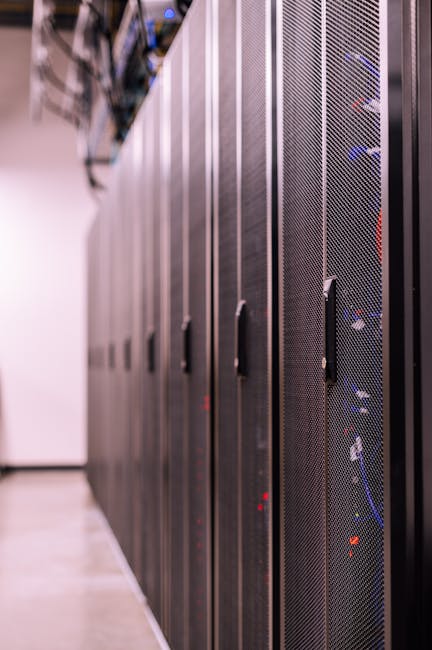
In today’s fast-paced digital landscape, the ability to swiftly and accurately process vast amounts of data can be the difference between success and stagnation. Automated data processing streamlines this task, allowing organizations to focus on strategic initiatives instead of tedious manual entry. In this article, we will delve into what automated data processing is, explore its various applications, and highlight the benefits it brings to businesses eager to optimize their workflows. By understanding this powerful tool, you’ll be equipped to harness data effectively and drive your operations forward.
What is Automated Data Processing?
Automated data processing refers to the use of technology to collect, manipulate, and analyze data with minimal human intervention. In today’s fast-paced world, where time is often of the essence, relying on automated systems can significantly enhance efficiency.
By utilizing computers and sophisticated software, organizations can streamline their data processing tasks. This means that vast amounts of data can be processed quickly and accurately, allowing businesses to make informed decisions based on real-time insights.
But what exactly does this entail? Automated data processing can involve several key components:
- Data collection: Gathering data from various sources.
- Data storage: Keeping the data in a structured format.
- Data analysis: Using algorithms to interpret the data.
Each of these steps plays a crucial role in ensuring that the data is not only processed but also retrieved effectively when needed.
With automated data processing, the reliance on manual input is reduced. This not only saves time but also minimizes the likelihood of human error. Imagine having a system that can run complex calculations and analyses while you focus on strategic decisions.
The technology behind automated data processing often includes:
| Technology | Description |
|---|---|
| Artificial Intelligence | Enables machines to learn from data and make decisions. |
| Machine Learning | A subset of AI that focuses on improving algorithms through experience. |
| Data Mining | The process of discovering patterns in large data sets. |
These systems work together to create a seamless process that can handle everything from simple data entry to complex analytics.
So, why is automated data processing important? The benefits are numerous:
- Increased speed and efficiency.
- Improved accuracy and reduced errors.
- Enhanced data analysis capabilities.
In essence, automated data processing transforms the way organizations handle information. It empowers them to leverage data more effectively, ultimately leading to better business outcomes.
In a world where data is king, understanding what automated data processing is and how it works can set you apart. Are you ready to embrace the future of data management?
Importance of Automated Data Processing in Business
Automated data processing is a game-changer for businesses today. It allows organizations to handle vast amounts of data efficiently and accurately. But why is this so important?
First, consider the sheer volume of data generated every day. Businesses collect data from various sources, including customer interactions, sales transactions, and market research. Without automated systems, processing this data manually would be time-consuming and prone to errors.
Automated data processing helps streamline operations. By utilizing computers and advanced algorithms, businesses can analyze data in real-time. This leads to faster decision-making and improved strategies.
Here are some key benefits of automated data processing:
- Increased efficiency and speed
- Reduced human error
- Cost savings in labor
- Enhanced data accuracy
Moreover, automated systems can quickly retrieve relevant information. This means that employees spend less time searching for data and more time using it to drive business growth. Imagine how much more productive your team could be!
Businesses also benefit from better data management. Automated data processing ensures that data is organized and stored properly, making it easier to access and analyze. This can lead to valuable insights that inform strategic decisions.
| Benefit | Description |
|---|---|
| Time Savings | Processes data much faster than manual methods. |
| Accuracy | Minimizes human errors in data entry and analysis. |
As businesses grow, the complexity of their data also increases. Automated data processing systems can scale to handle this growth. They adapt to new data sources and types without requiring significant manual intervention.
The importance of automated data processing cannot be overstated. It allows businesses to stay competitive in a fast-paced environment. With the right systems in place, companies can leverage their data for better insights and outcomes.
In conclusion, understanding what automated data processing entails is crucial for any business aiming for efficiency. By integrating these systems, organizations can unlock the full potential of their data, leading to smarter decisions and greater success.
Examples of Automated Data Processing in Action
Automated data processing is revolutionizing how businesses operate. It allows for the quick handling of vast amounts of information, which can significantly enhance efficiency. But what does this look like in practice?
For instance, consider how e-commerce platforms manage inventory. Automated systems track stock levels in real-time, updating the database as sales occur. This means that when an item is purchased, the data is processed automatically, ensuring accurate inventory counts.
Another great example is in the banking sector. Banks use automated data processing to handle transactions. When you make a deposit or withdrawal, the system immediately processes that data, updating your account balance without any human intervention.
This not only saves time but also reduces the chances of human error. Isn’t it fascinating how quickly data can be retrieved and processed?
- Real-time inventory management
- Transaction processing in banking
- Automated report generation
- Data analysis in marketing
In marketing, automated data processing plays a crucial role as well. Businesses analyze consumer behavior using sophisticated algorithms. These systems automatically process data from various sources, allowing companies to tailor their campaigns effectively.
Imagine receiving personalized ads based on your recent online activity. That’s automated data processing at work!
Let’s take a look at how different industries utilize automated data processing:
| Industry | Application |
|---|---|
| Healthcare | Patient data management and appointment scheduling |
| Retail | Sales tracking and customer behavior analysis |
| Manufacturing | Supply chain optimization and quality control |
In the healthcare industry, automated data processing is critical. Patient records are updated instantly, ensuring that doctors have access to the most current information. This not only improves patient care but also streamlines administrative tasks.
Furthermore, in manufacturing, systems automatically process data related to production rates and equipment efficiency. This helps companies identify areas for improvement and reduce downtime.
So, how can businesses implement automated data processing? It starts with understanding their specific needs. By investing in the right systems and technologies, organizations can streamline their operations and harness the power of data.
The future of automated data processing looks promising. As technology evolves, we can expect even more innovative applications that will transform industries and enhance productivity. Are you ready to embrace this change?
Components of Automated Data Processing Explained
Automated data processing is at the heart of modern computing. But what exactly does it involve? Let’s break down its key components to understand how it works and why it’s so essential.
At its core, automated data processing refers to the use of computer systems to collect, manipulate, and analyze data without human intervention. This means that once the system is set up, it can operate independently, saving time and reducing the chance of errors.
So, what are the main components of this process? Here are some of the critical elements:
- Data Input: This is where raw data enters the system, which can come from various sources like sensors, databases, or user inputs.
- Data Storage: Once data is collected, it needs to be stored efficiently. This could be in cloud storage, local databases, or other systems.
- Data Processing: This is the heart of the operation, where the actual computations and manipulations of data happen.
- Data Output: Finally, the processed data is outputted in a usable format, such as reports, visualizations, or alerts.
Each of these components plays a vital role in the overall function of automated data processing. Let’s delve a bit deeper into each one.
Data input is the first step in automated data processing. It involves gathering information from various sources. This could be anything from user-generated content to data from sensors in machines. The goal is to ensure that the data is accurate and relevant to the processing task at hand.
Next, we have data storage. This component ensures that the data remains accessible and organized. With the explosion of data in recent years, efficient storage solutions have become more critical than ever.
| Storage Type | Description |
|---|---|
| Cloud Storage | Accessible from anywhere, scalable, and cost-effective. |
| Local Databases | More control over data, but limited by physical hardware. |
Now, let’s talk about data processing. This step transforms raw data into meaningful information. Using algorithms and software, the system can analyze patterns, generate insights, and even predict future trends.
Isn’t it fascinating how computers can do this at such speed? The efficiency of automated systems not only saves time but also enhances accuracy, making them indispensable in various industries.
Finally, we have data output. After processing, the results need to be presented in a way that’s easy to understand. This could be in the form of graphs, reports, or even real-time dashboards.
The ability to visualize data effectively helps users make informed decisions quickly.
In summary, the components of automated data processing work together seamlessly to transform raw data into actionable insights. Understanding these components is crucial for anyone looking to leverage automated data processing in their work or business.
Benefits of Automated Data Processing for Organizations
Automated data processing is revolutionizing the way organizations handle information. But what exactly does that mean for businesses? In simple terms, it refers to the use of computers and software systems to collect, process, and analyze data without human intervention. This can lead to significant benefits that enhance efficiency and productivity.
One of the most notable advantages is time savings. Automated systems can perform tasks much faster than humans. For instance, data entry that might take hours can be completed in minutes. This efficiency allows employees to focus on more strategic work rather than mundane tasks.
Here are some key benefits of automated data processing:
- Increased efficiency and speed
- Reduced human error
- Better data management
- Cost savings in the long run
Another significant benefit is the reduction of human error. When data is processed manually, mistakes can easily occur. Automated systems minimize these errors, ensuring that the data retrieved is accurate and reliable. This is crucial for organizations that rely on data for decision-making.
Additionally, automated data processing enhances data management. Organizations can store, retrieve, and analyze vast amounts of data effortlessly. This capability is vital in today’s data-driven world, where timely access to information can make all the difference.
| Benefit | Description |
|---|---|
| Efficiency | Automated systems process data faster than manual methods. |
| Accuracy | Reduces errors associated with human data entry. |
| Cost-Effectiveness | Saves money by streamlining processes and reducing labor costs. |
Moreover, automated data processing can lead to substantial cost savings. By streamlining operations, organizations can reduce the number of employees needed for data management tasks. This not only cuts labor costs but also allows for reallocating resources to areas that drive growth.
In a world where data is king, having real-time access to processed data is invaluable. Automated systems can provide insights almost instantly, empowering organizations to make informed decisions quickly. Imagine the edge this could give a business in a competitive market!
So, is your organization ready to embrace automated data processing? The benefits are clear. From saving time to improving accuracy and reducing costs, the advantages are compelling. By leveraging automated systems, organizations can not only enhance their data management but also position themselves for future success.
In conclusion, investing in automated data processing is not just a trend; it’s a strategic move that can redefine how organizations operate in the digital age.
Real-Time vs Batch Automated Data Processing
When we talk about automated data processing, it’s essential to understand the two primary methods: real-time and batch processing. Each has its advantages and disadvantages, depending on the specific needs of a business or system.
Real-time data processing involves the immediate processing of data as it is generated. This means that as soon as data is created or retrieved, it is processed without delay. Think about how social media platforms handle posts and interactions. They need to process user actions instantly to provide a seamless experience.
On the other hand, batch processing collects data over a period and processes it all at once. This method is often used for tasks that don’t require immediate results, like payroll systems or monthly reporting. By processing data in batches, systems can optimize resource use and handle larger volumes of information efficiently.
| Feature | Real-Time Processing | Batch Processing |
|---|---|---|
| Speed | Immediate | Delayed |
| Use Case | Live data applications | Periodic reports |
| Resource Usage | Higher | Lower |
So, which method is right for you? It really depends on what your data processing needs are. For example, if your business requires up-to-the-minute data insights, real-time processing might be the way to go. But if you’re dealing with large datasets that don’t change often, batch processing could save time and resources.
Another factor to consider is the technology involved. Real-time systems often rely on advanced hardware and software to handle the continuous flow of data. This can include specialized computers and networking systems that ensure information is processed without interruption.
- Real-time processing is ideal for transactions in finance.
- Batch processing is often used for data archival and historical analysis.
- Choosing the right system can enhance efficiency and reduce costs.
Ultimately, both real-time and batch automated data processing systems serve vital roles in the digital landscape. Understanding the differences can help businesses make informed decisions when setting up their data strategies. Are you ready to choose the right approach for your data processing needs?
Automated Data Processing Software Options
Automated data processing is transforming how businesses handle their data. With the right software, organizations can streamline operations and enhance efficiency. But what options are available for automated data processing?
First, let’s consider the various types of software that can assist with data processing. These tools range from simple applications to complex systems that integrate with existing infrastructure.
- Data entry automation tools
- Data analysis software
- Machine learning platforms
- Database management systems
- Cloud-based data solutions
Next, automated data processing software can be categorized based on specific use cases. For instance, some applications focus on data entry, while others excel in data analysis. This specialization allows users to select tools that best suit their needs.
Have you ever wondered how automated systems can save time? With automated data processing, repetitive tasks are handled quickly and accurately. This not only reduces the risk of human error but also frees up valuable time for employees to focus on more strategic activities.
| Software Type | Key Features |
|---|---|
| Data Entry Tools | Automated form filling, OCR capabilities |
| Data Analysis Software | Statistical analysis, data visualization |
| Machine Learning Platforms | Predictive analytics, model training |
In today’s digital landscape, choosing the right automated data processing software is crucial. Factors such as scalability, ease of use, and integration capabilities should guide your decision.
Moreover, many businesses are now opting for cloud-based solutions. These platforms provide flexibility and accessibility, allowing teams to work from anywhere. This is especially beneficial in our increasingly remote work environment.
What about security? It’s essential to consider how data is stored and processed. Many automated systems now incorporate robust security measures to protect sensitive information.
Ultimately, the right software can significantly enhance your data processing capabilities. By automating routine tasks, you can focus on generating insights that drive your business forward.
In summary, exploring various automated data processing software options is vital. Whether you need tools for data entry, analysis, or machine learning, there’s a solution out there to meet your needs. Embrace the future of data processing and unlock your organization’s potential.
How to Get Started with Automated Data Processing
Automated data processing is becoming essential for businesses looking to optimize their operations. So, what is automated data processing? In simple terms, it’s the use of technology to handle data efficiently without human intervention. This can save time and reduce errors, allowing companies to focus on more strategic tasks.
To get started with automated data processing, you first need to evaluate your current data needs. What types of data do you handle? How often do you need to process this data? Understanding these factors will help you choose the right systems for your organization.
- Identify your data sources
- Determine processing frequency
- Assess your current tools
Next, consider the tools and software that facilitate automated data processing. There are numerous options available, ranging from simple spreadsheet functions to complex machine learning systems. The right choice depends on your specific use cases and the volume of data you handle.
When selecting tools, look for features that support data retrieval, processing speed, and integration capabilities. Many modern systems can connect with existing databases and applications, making it easier to automate workflows.
A good starting point is to explore various data processing frameworks. Here’s a quick comparison of popular tools:
| Tool | Best For |
|---|---|
| Apache Hadoop | Large data sets |
| Microsoft Power BI | Data visualization |
| Python with Pandas | Data manipulation |
Once you’ve chosen the right tools, it’s time to implement them. Begin with small projects to test how automated data processing fits into your workflow. This allows you to troubleshoot and adapt your approach before scaling up.
Don’t forget to train your team. Familiarizing them with the new systems is crucial for successful adoption. Regular training sessions can help everyone feel comfortable with the technology.
As you progress, monitor the performance of your automated systems. Are they saving you time? Are they accurately retrieving and processing data? Continuous evaluation will help you refine your approach and make necessary adjustments.
In summary, getting started with automated data processing involves understanding your data needs, selecting the right tools, and implementing them effectively. With the right approach, you can unlock significant efficiencies and drive better business outcomes.
- Evaluate your current data needs
- Choose the right tools
- Implement and train your team
Remember, the world of automated data processing is ever-evolving. Staying updated on trends and technologies will keep your systems efficient and effective.
Key Aspects of Automated Data Processing
Automated data processing is a game-changer in how we handle information today. But what exactly does it entail? At its core, it involves using computer systems to collect, process, and manage data without human intervention. This not only saves time but also enhances accuracy.
The beauty of automated data processing lies in its efficiency. Computers can process vast amounts of data much faster than humans can. Think about it: when you need to analyze large datasets, relying on machines can reduce the processing time from hours to mere minutes.
- Increased speed of data handling
- Reduced human error
- Cost efficiency over time
What makes automated data processing even more appealing is its ability to retrieve information seamlessly. Systems are designed to pull data from various sources, ensuring that the information is up-to-date and relevant. This means you can rely on real-time insights to make informed decisions.
Moreover, the technology behind automated data processing is becoming increasingly sophisticated. Machine learning algorithms, for instance, can learn from existing data patterns and improve their processing capabilities over time. This means that the more data you feed into these systems, the better they become at managing it.
| Aspect | Benefit |
|---|---|
| Speed | Faster data processing |
| Accuracy | Reduced human error |
| Cost | Long-term savings |
As we dive deeper into automated data processing, it’s essential to consider the systems involved. These can range from simple scripts that automate repetitive tasks to complex software that manages large databases. The choice of system often depends on the scale of data and the specific needs of the organization.
Another critical aspect is the integration of automated data processing into existing workflows. Organizations need to ensure that their current systems can communicate effectively with new automated solutions. This ensures a smooth transition and maximizes the benefits of automation.
So, what are the real-world applications of automated data processing? They are vast! From financial institutions analyzing market trends to healthcare facilities managing patient records, the possibilities are endless.
In summary, automated data processing is not just a trend; it’s a necessity in today’s data-driven world. By leveraging computer systems to handle data efficiently, organizations can save time, reduce costs, and improve accuracy. Isn’t it fascinating how technology can transform the way we work with information?
In conclusion, understanding what automated data processing is and its significance in today’s digital landscape is crucial for businesses and organizations aiming to stay competitive. As we have explored throughout this article, automated data processing streamlines operations, reduces human error, and enhances the accuracy and speed of data handling. By leveraging advanced technologies such as artificial intelligence, machine learning, and sophisticated algorithms, companies can transform vast amounts of raw data into actionable insights that drive decision-making and strategic planning. Furthermore, the scalability of automated processes allows businesses to adapt quickly to changing market conditions and consumer demands, ensuring they remain agile in an ever-evolving environment.
Moreover, the implications of automated data processing extend beyond mere efficiency; they also encompass improved customer experiences and enhanced operational transparency. By automating routine tasks, organizations can allocate more resources to innovation and creativity, ultimately leading to better products and services. As industries continue to embrace digital transformation, the role of automated data processing will only become more pronounced, making it essential for professionals across all sectors to familiarize themselves with its principles and applications.
As we look ahead, the future of automated data processing holds exciting possibilities. With advancements in technology, we can expect even greater integration of automation in data management, leading to smarter systems that not only process information but also learn and adapt over time. This evolution will empower businesses to harness the full potential of their data assets, driving growth, enhancing operational efficiency, and fostering a culture of data-driven decision-making. In essence, understanding what automated data processing entails and how to effectively implement it will be a cornerstone for success in the digital age.
Ultimately, as more organizations recognize the value of automated data processing, we can anticipate a shift towards more intelligent and automated workflows that will redefine the way we approach data management. By embracing this transformation, businesses can unlock new opportunities, mitigate risks, and pave the way for a brighter, more efficient future. As we conclude our exploration of this vital topic, it is clear that automated data processing is not just a trend; it is a fundamental aspect of modern business strategy that will shape the future of work and innovation.
Leave a Reply