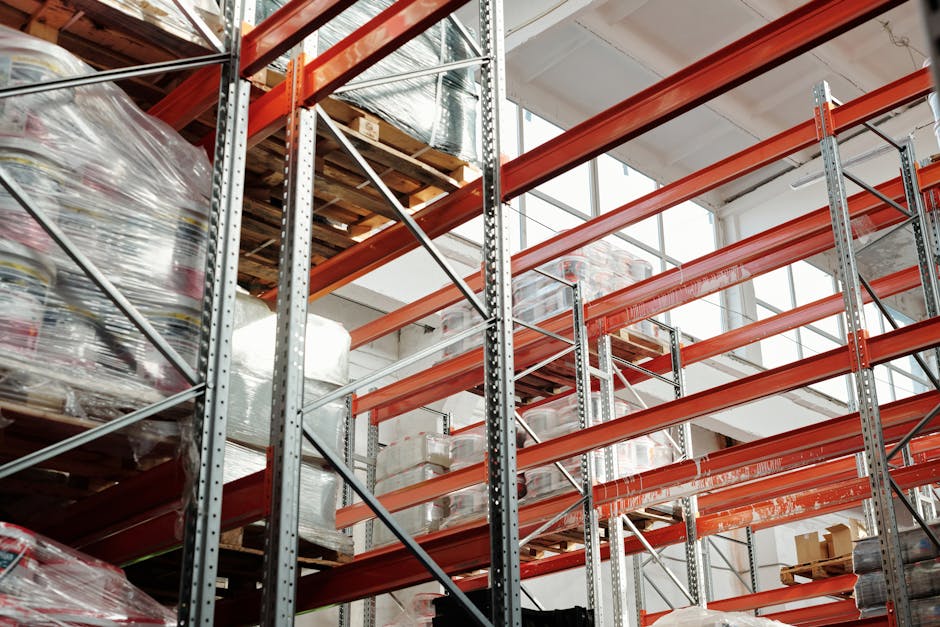
In the fast-paced world of logistics and supply chain management, efficiency is paramount. A warehouse control system (WCS) serves as the backbone of your operations, ensuring that every process runs smoothly and effectively. This article will guide you through the intricacies of WCS, from its core functions to its integration with other systems, helping you understand how to leverage this technology for maximum productivity. Whether you’re new to warehouse management or looking to enhance your current system, you’ll find valuable insights that can transform your operations and drive your business forward.
What Is a Warehouse Control System?
A Warehouse Control System (WCS) is a vital piece of technology used to manage the operations within a warehouse. It acts as the brain of the warehouse, coordinating various processes and equipment to ensure everything runs smoothly.
At its core, a WCS integrates with other systems, such as Warehouse Management Systems (WMS), to optimize inventory handling, order fulfillment, and real-time data processing. This integration helps streamline operations, reduce errors, and improve overall efficiency.
But what exactly does a WCS do? Well, it primarily focuses on controlling the movement and storage of materials within the warehouse. It manages the flow of goods, scheduling tasks, and directing equipment like conveyors, sorters, and automated guided vehicles (AGVs).
Here are some key functions of a Warehouse Control System:
- Real-time tracking of inventory
- Optimizing picking and packing processes
- Coordinating equipment operations
- Managing labor resources
With a WCS, warehouse managers can make informed decisions based on real-time data. This not only improves productivity but also enhances accuracy in order fulfillment.
Moreover, a Warehouse Control System can significantly reduce operational costs. By automating various processes, it minimizes the time spent on manual tasks. This efficiency leads to quicker turnaround times for orders, which can be a game-changer in today’s fast-paced market.
The benefits of using a WCS extend beyond just efficiency. It also helps in providing better visibility into warehouse operations. Managers can monitor performance metrics, track KPIs, and identify areas for improvement.
| Benefit | Description |
|---|---|
| Increased Efficiency | Automates processes to save time and reduce errors. |
| Cost Reduction | Lowers operational costs through streamlined operations. |
| Improved Visibility | Provides real-time insights into warehouse operations. |
In summary, a Warehouse Control System is essential for modern warehousing. It not only enhances productivity but also provides crucial insights for better management.
So, if you’re looking to improve your warehouse operations, investing in a WCS might just be the solution you need. It’s all about making your processes smarter, faster, and more efficient.
Main Functions of Warehouse Control Systems
Warehouse control systems (WCS) are essential for managing the complex operations within a warehouse. They help streamline processes, enhance efficiency, and improve overall productivity. But what exactly do these systems do? Let’s explore the main functions of a warehouse control system.
One of the primary functions of a WCS is to monitor and control the flow of goods throughout the warehouse. This includes tracking inventory levels, managing equipment, and optimizing storage space. By ensuring that products are in the right place at the right time, a WCS can significantly reduce operational delays.
Another key function is the integration with warehouse management systems (WMS). While WMS focuses on inventory management, the WCS complements it by handling real-time control of warehouse activities. This synergy allows for a more cohesive approach to warehouse management.
- Inventory tracking
- Equipment management
- Storage optimization
Additionally, a warehouse control system enables data collection and analysis. By gathering real-time data on various warehouse operations, businesses can make informed decisions. This data can include everything from order processing times to equipment performance metrics.
With this information, companies can identify bottlenecks and inefficiencies. Have you ever wondered how some warehouses seem to operate like a well-oiled machine? It’s often due to the insights provided by a robust WCS.
| Function | Description |
|---|---|
| Inventory Management | Tracks and manages stock levels |
| Order Processing | Facilitates timely order fulfillment |
| Equipment Control | Monitors and manages warehouse equipment |
Moreover, WCS plays a crucial role in enhancing labor management. By providing real-time visibility into employee performance and task allocation, it helps supervisors make better staffing decisions. This can lead to improved productivity and reduced labor costs.
As warehouses continue to evolve, the importance of a sophisticated WCS cannot be overstated. It serves as the backbone for efficient warehouse operations, ensuring that everything runs smoothly.
In summary, the main functions of a warehouse control system include:
- Flow management of goods
- Integration with WMS
- Real-time data collection
- Labor management optimization
With these capabilities, a WCS not only streamlines processes but also equips businesses with the tools they need to thrive in a competitive landscape. So, if you’re looking to enhance your warehouse operations, investing in a quality warehouse control system might just be the key.
Key Benefits of Implementing a WCS



Implementing a Warehouse Control System (WCS) can significantly enhance the efficiency and productivity of your warehouse operations. But what exactly are the benefits? Let’s break it down.
First and foremost, a WCS streamlines warehouse management. By automating processes, it reduces the time spent on manual tasks. This means your staff can focus on more strategic activities, ultimately leading to increased efficiency.
Moreover, real-time data tracking is a game changer. With a WCS, you can monitor inventory levels, equipment status, and order fulfillment in real time. This visibility helps you make informed decisions quickly.
- Improved inventory accuracy
- Enhanced order processing speed
- Better utilization of warehouse space
Another key benefit is the optimization of equipment usage. A WCS can analyze equipment performance and suggest adjustments to improve efficiency. This not only saves time but also extends the lifespan of your warehouse equipment.
Additionally, a WCS offers scalability. As your business grows, your warehouse system can adapt to increasing demands without a complete overhaul. This flexibility is essential for long-term success.
| Benefit | Description |
|---|---|
| Cost Efficiency | Reduces operational costs through automation. |
| Enhanced Accuracy | Minimizes human error in order processing. |
Furthermore, implementing a WCS can lead to improved customer satisfaction. Faster order fulfillment and accurate inventory management mean your customers receive their products on time, every time. Isn’t that what every business strives for?
Lastly, data analytics is a crucial feature of a WCS. You can generate reports that provide insights into operational performance and areas for improvement. This data-driven approach helps you stay ahead of the competition.
- Actionable insights for decision-making
- Identification of trends and patterns
- Enhanced forecasting capabilities

In conclusion, the benefits of implementing a Warehouse Control System are vast. From increased efficiency and reduced costs to improved customer satisfaction and data analytics, a WCS is a valuable investment for any warehouse operation.
By understanding these benefits, you can make an informed decision about whether a WCS is right for your business. It’s all about optimizing your warehouse for success.
WCS vs. WMS vs. WES: Key Differences
When it comes to warehouse operations, understanding the distinctions between WCS, WMS, and WES is crucial. Each system plays a unique role in enhancing efficiency, but they often get confused. Let’s break down what each system does and how they differ.
A Warehouse Control System (WCS) primarily focuses on managing and controlling the equipment and processes within the warehouse. It operates in real time, overseeing tasks like inventory tracking and equipment management. This system ensures that everything runs smoothly, from conveyor belts to automated storage solutions.
- WCS: Controls equipment and processes.
- WMS: Manages inventory and order fulfillment.
- WES: Combines features of WCS and WMS for more flexibility.
On the other hand, a Warehouse Management System (WMS) is more focused on the overall management of warehouse operations. It handles inventory management, order processing, and labor management. Essentially, it’s about ensuring that the right products are in the right place at the right time. While WMS deals with broader tasks, it relies on WCS for operational execution.
Then we have the Warehouse Execution System (WES). This system is like the best of both worlds. It integrates the functionalities of both WCS and WMS, offering a more comprehensive solution. WES can manage inventory while also controlling equipment, making it a versatile choice for many warehouses.
| System | Primary Function |
|---|---|
| WCS | Controls equipment and processes |
| WMS | Manages inventory and order fulfillment |
| WES | Integrates WCS and WMS functionalities |

So, why does this matter? Understanding these differences helps businesses choose the right system based on their specific needs. If a warehouse requires real-time control of equipment, a WCS is essential. However, for inventory management, a WMS is key.
Moreover, if a warehouse is looking for a more integrated solution, the WES might be the best fit. This flexibility can lead to improved operational efficiency and better resource management.
In summary, while WCS, WMS, and WES all play vital roles in warehouse operations, they serve different purposes. By understanding these distinctions, businesses can better leverage these systems to enhance their overall warehouse management.
Have you considered which system best fits your warehouse needs? The right choice could make all the difference in optimizing your operations.
How to Choose the Right Warehouse Control System
Choosing the right warehouse control system (WCS) is essential for optimizing your warehouse operations. A well-selected system can streamline processes, enhance inventory management, and ultimately improve efficiency. But how do you find the perfect fit for your needs?
First, consider your specific requirements. What are the key functionalities you need from a WCS? Think about inventory tracking, order fulfillment, and integration with existing systems like your warehouse management system (WMS).
Here are some important factors to evaluate:
- Scalability: Will the system grow with your warehouse?
- Integration capabilities: How well does it work with your current software?
- User-friendliness: Is it easy for your team to learn and use?
Next, assess the technology behind the WCS. Does it support real-time data analytics? A modern system should provide insights that enable you to make informed decisions quickly.
Also, think about the types of equipment you’ll be using. A good WCS should seamlessly integrate with your existing hardware, whether that’s barcode scanners, RFID systems, or automated storage solutions.
When evaluating options, create a comparison table to visualize your choices. This can help clarify which systems offer the features you need.
| Feature | WCS Option 1 | WCS Option 2 |
|---|---|---|
| Real-time Data Tracking | Yes | No |
| Integration with WMS | Yes | Yes |
Evaluating costs is also crucial. While you might be tempted to go for the cheapest option, remember that investing in a more robust system could save you time and money in the long run. Think about the return on investment (ROI) a quality WCS can provide.
Finally, don’t forget about support and training. A system is only as good as the team that operates it. Ensure that the vendor offers adequate training and ongoing support to help your staff adapt.
In summary, choosing the right warehouse control system involves careful consideration of your unique needs, evaluating technology and equipment compatibility, and understanding the costs involved. With the right approach, you can enhance your warehouse management and boost overall efficiency.
Overview of Core Components in WCS
A Warehouse Control System (WCS) is essential for optimizing warehouse operations. It acts as a bridge between the Warehouse Management System (WMS) and the equipment on the warehouse floor. But what exactly are the core components that make up a WCS?
At its heart, a WCS includes several key elements. These components work together to ensure that warehouse operations run smoothly and efficiently. Let’s break these down.
- Software Interface: This is the user-friendly aspect of the WCS, allowing operators to monitor and control warehouse activities.
- Data Management: A robust WCS collects and analyzes data in real time, helping managers make informed decisions.
- Equipment Integration: The system connects with various warehouse equipment, such as conveyor belts and automated guided vehicles (AGVs).
The software interface is crucial for user interaction. It provides dashboards and reports that offer insights into inventory levels, order status, and equipment performance. This visibility is vital for effective management.
Data management in a WCS is another critical component. It ensures that all operations are tracked and recorded accurately. By leveraging this data, businesses can optimize processes and improve overall efficiency.
| Component | Description |
|---|---|
| Software Interface | User-friendly dashboard for monitoring operations. |
| Data Management | Collects and analyzes operational data. |
| Equipment Integration | Connects with warehouse machinery for seamless operations. |
Next, let’s talk about equipment integration. A WCS must communicate effectively with various types of equipment. This includes everything from simple scanners to complex robotic systems. Why is this important? Because the right integration can significantly enhance workflow and reduce errors.
Another vital component is the real-time processing capability of a WCS. This means that as orders are placed, the system can immediately update inventory levels and direct equipment to fulfill those orders. This capability is crucial for maintaining efficiency and accuracy in a fast-paced warehouse environment.
- Real-Time Processing: Immediate updates on inventory and order status.
- Scalability: A good WCS can grow with your business needs.
- Reporting Tools: Essential for performance analysis and strategic planning.
In conclusion, understanding the core components of a Warehouse Control System is essential for any business looking to improve its warehouse management. A well-implemented WCS not only enhances operational efficiency but also provides valuable insights that can drive strategic decisions. So, are you ready to take your warehouse operations to the next level?
Operational Functions of Warehouse Control Systems
Warehouse control systems (WCS) play a crucial role in modern logistics and supply chain management. They are designed to optimize the daily operations of a warehouse, ensuring that processes run smoothly and efficiently. But what exactly do these systems do?
At their core, WCS manage the flow of goods and materials within a warehouse. They coordinate various equipment, such as conveyor belts, automated guided vehicles (AGVs), and storage systems. This coordination helps minimize delays and maximizes productivity.
One of the key operational functions of a warehouse control system is inventory management. WCS tracks inventory levels in real time, providing accurate data on stock availability. This capability is essential for preventing stockouts and ensuring that orders are fulfilled promptly.
Moreover, WCS can automate various tasks, such as picking, packing, and shipping. By using data-driven algorithms, these systems determine the most efficient methods for handling products. This not only saves time but also reduces the likelihood of human error.
- Real-time inventory tracking
- Automated picking and packing
- Optimized shipping processes
Another important function of warehouse control systems is labor management. WCS helps in assigning tasks to warehouse staff based on real-time data. This ensures that the right people are working on the right tasks at the right time.
Effective labor management leads to improved employee productivity and morale. When workers know exactly what they need to do, they can focus on their tasks without confusion.
Additionally, WCS provide valuable insights through reporting and analytics. By analyzing data trends, warehouse managers can make informed decisions about operations. This could involve adjusting staffing levels, reconfiguring warehouse layouts, or investing in new equipment.
For instance, if data shows that a particular product has a high turnover rate, the warehouse layout can be adjusted to place that item closer to the shipping area. This not only speeds up the process but also enhances overall efficiency.
| Operational Function | Benefit |
|---|---|
| Inventory Management | Prevents stockouts |
| Labor Management | Increases productivity |
| Reporting and Analytics | Informs decision-making |
In summary, warehouse control systems are indispensable for efficient warehouse operations. They streamline processes, enhance data visibility, and ultimately contribute to better management of resources. As businesses continue to evolve, investing in a robust WCS can be a game-changer.
So, are you ready to explore how a warehouse control system can transform your operations?
System Architecture of a Warehouse Control System
The architecture of a Warehouse Control System (WCS) is pivotal for the efficient management of warehouse operations. At its core, a WCS integrates various components that work together to control and optimize the flow of goods. Understanding this architecture helps in grasping how different elements interact within a warehouse setting.
Typically, a WCS is designed to manage equipment and processes in real time. This means it can track inventory levels, coordinate picking and packing, and manage shipping logistics. But how does it all come together?
A WCS generally consists of several key components:
- Hardware: This includes scanners, conveyor belts, and automated storage and retrieval systems.
- Software: The WCS software interfaces with other systems, like Warehouse Management Systems (WMS), to ensure seamless operations.
- Data Management: Real-time data processing allows for quick decision-making and adjustments.
The integration of these components allows a WCS to manage tasks such as inventory tracking and order fulfillment efficiently. By collecting data from various sources, the system can provide insights that drive operational improvements.
Another critical aspect of the WCS architecture is its ability to communicate with other systems. For instance, a WCS often works in conjunction with a WMS. While the WMS focuses on broader inventory management, the WCS zeroes in on the control of specific warehouse processes.
| Component | Function |
|---|---|
| Hardware | Facilitates physical movement of goods |
| Software | Manages warehouse operations and data |
| Data Management | Processes real-time information for decision-making |
In addition to hardware and software, the WCS leverages communication protocols to ensure all systems work harmoniously. This includes protocols for data exchange and synchronization between the WCS and WMS.
Why is this communication so vital? Because it reduces errors and enhances the speed of operations. When all parts of the system can share information seamlessly, it leads to quicker responses to changing conditions within the warehouse.
The architecture of a WCS is also scalable. As businesses grow, their needs change. A well-designed WCS can evolve, integrating new technologies and processes without significant downtime. This adaptability is crucial in today’s fast-paced logistics environment.
- Scalability: Easily adapts to growing business needs.
- Integration: Works with existing systems to enhance functionality.
- Efficiency: Streamlines operations to reduce costs and time.
In summary, the system architecture of a Warehouse Control System is a complex yet highly efficient framework. It combines hardware, software, and data management to create a seamless flow of operations. Understanding how these components interact is essential for anyone looking to optimize warehouse management.
Implementation Best Practices for WCS
Implementing a Warehouse Control System (WCS) can significantly enhance your warehouse operations. But how do you ensure a smooth implementation? Here are some best practices to guide you.
First, it’s crucial to assess your current warehouse operations. Understanding your existing processes will help identify areas where the WCS can bring real improvements.
Consider asking questions like: What are our biggest bottlenecks? Which equipment is underutilized? Gathering this data will set a strong foundation for your WCS implementation.
Next, involve your team early in the process. Your warehouse staff knows the ins and outs of daily operations. Their insights can provide valuable input on what features the WCS should focus on.
Additionally, ensure that you have a clear project plan. Define your goals, timelines, and responsibilities. This will help keep everyone aligned and accountable throughout the implementation.
- Assess current operations thoroughly.
- Involve your team from the start.
- Establish a clear project plan.
Another key consideration is data integration. Your WCS should seamlessly connect with your Warehouse Management System (WMS) and other systems. This integration allows for real-time data sharing, enhancing decision-making and efficiency.
When choosing a WCS, look for systems that offer robust data management capabilities. You want a solution that can handle large volumes of data while providing actionable insights.
Here’s a quick comparison of WCS features to consider:
| Feature | Description |
|---|---|
| Real-Time Tracking | Monitor inventory and equipment status instantly. |
| Data Analytics | Analyze performance metrics to improve operations. |
| User-Friendly Interface | Simple navigation for ease of use by staff. |
In addition to these features, training is essential. Equip your team with the knowledge they need to make the most of the new system. A well-trained team can leverage the WCS to its fullest potential.
Lastly, don’t forget about ongoing support. Post-implementation, you’ll want to have access to technical assistance and updates. This ensures your WCS remains effective as your warehouse needs evolve.
Implementing a Warehouse Control System is not a one-time task; it’s an ongoing journey. By following these best practices, you’re more likely to see real improvements in your warehouse operations over time.
In conclusion, a warehouse control system (WCS) plays a pivotal role in optimizing warehouse operations, ensuring efficiency, accuracy, and flexibility in the management of inventory and logistics. As businesses continue to face the challenges of rapid growth, evolving consumer demands, and the complexities of modern supply chains, implementing a robust WCS becomes increasingly essential. Not only does it streamline processes and reduce operational costs, but it also enhances overall customer satisfaction by ensuring timely and accurate order fulfillment.
Moreover, as technology advances, the integration of artificial intelligence and machine learning within WCS platforms is set to revolutionize warehouse management further. These innovations enable predictive analytics, allowing businesses to anticipate demand fluctuations and adjust their operations accordingly. By investing in a sophisticated warehouse control system, companies can leverage data-driven insights to make informed decisions, ultimately leading to a more agile and responsive supply chain.
For organizations looking to stay competitive in today’s fast-paced market, the choice of a warehouse control system is not just a matter of efficiency but a strategic imperative. The right WCS can provide a significant return on investment, offering scalability as businesses grow and adapt to changing market conditions. It’s essential to evaluate different WCS solutions carefully, considering factors such as ease of integration, user-friendliness, and the level of support provided by vendors.
As we look to the future, the importance of a well-implemented warehouse control system will only continue to grow. By harnessing the power of technology to streamline operations, improve accuracy, and enhance customer service, businesses can position themselves at the forefront of their industries. Embracing a warehouse control system is not merely a tactical decision; it is a strategic move that can lead to long-term success and sustainability in a competitive landscape. Investing in a WCS today means preparing for the challenges of tomorrow, ensuring that your warehouse operations can meet the demands of a rapidly changing world.
Leave a Reply