
In an age where speed and accuracy define business success, warehouse automation emerges as a game changer for logistics and supply chain management. Imagine transforming your warehouse into a streamlined hub where tasks are executed with precision, reducing human error and boosting productivity. This article will delve into the intricacies of warehouse automation, exploring its various technologies, the processes that can be automated, and the tangible benefits it brings to your operations. Whether you’re considering automation for the first time or seeking to enhance your existing systems, this comprehensive guide will provide the insights you need to make informed decisions and stay ahead in a competitive landscape.
What Is Warehouse Automation and How Does It Work?
Warehouse automation refers to the use of technology to streamline and enhance operations within a warehouse. It encompasses a variety of systems and tools designed to improve efficiency, reduce labor costs, and increase accuracy in inventory management. By automating repetitive tasks, warehouses can operate more smoothly and respond quickly to changing demands.
But how does warehouse automation actually work? At its core, it involves integrating various automated systems such as robotic pickers, conveyor belts, and inventory management software. These systems work together to handle everything from receiving goods to picking and shipping orders.

Automation in a warehouse can be broken down into several key components:
- Automated storage and retrieval systems (AS/RS)
- Conveyor systems
- Robotic picking systems
- Inventory management software
- Data analytics tools
Each of these components plays a vital role in the overall efficiency of warehouse operations. For example, automated storage and retrieval systems can significantly reduce the time spent locating and retrieving items. This not only speeds up the picking process but also minimizes errors.
Moreover, warehouse automation relies heavily on data. Real-time data collection helps managers make informed decisions about inventory levels and order fulfillment. With accurate data, warehouses can optimize their operations and forecast future needs more effectively.
So, why should warehouses consider automation? The benefits are numerous:
| Benefit | Description |
|---|---|
| Increased Efficiency | Faster order processing and reduced labor costs. |
| Improved Accuracy | Minimized human error in inventory management. |
| Scalability | Easily adjust operations to meet demand fluctuations. |
As you can see, the advantages of warehouse automation are compelling. It not only saves time and money but also enhances the overall productivity of the warehouse.
In conclusion, warehouse automation is a game-changer for logistics and supply chain management. By leveraging modern technology, warehouses can streamline their processes, manage inventory more effectively, and ultimately deliver better service to their customers. Isn’t it time to consider how automation can transform your warehouse operations?
Benefits of Warehouse Automation for Modern Businesses
Warehouse automation is transforming the way businesses operate, making processes more efficient and cost-effective. With the rise of e-commerce and increasing customer expectations, companies are turning to automated systems to streamline their warehouse management. But what exactly are the benefits of warehouse automation?
First and foremost, warehouse automation enhances efficiency. Automated systems can handle tasks like inventory management, picking, and packing much faster than manual labor. This means orders can be processed more quickly, leading to shorter delivery times and improved customer satisfaction.

Automation also reduces human error. When relying on manual processes, mistakes can easily occur, leading to incorrect inventory counts or mispicked orders. Automated systems minimize these risks by using data-driven technology to ensure accuracy.
- Increased speed of operations
- Reduced labor costs
- Enhanced accuracy in inventory management
Moreover, implementing warehouse automation allows businesses to gather invaluable data. This data can provide insights into inventory turnover rates, picking efficiency, and overall operational performance. With this information, companies can make informed decisions to optimize their warehouse systems further.
Another significant benefit of warehouse automation is scalability. As your business grows, so does your inventory and the complexity of managing it. Automated systems can easily adapt to increased demand without the need for a proportional increase in labor. This flexibility is essential for businesses looking to expand without sacrificing efficiency.
| Benefit | Description |
|---|---|
| Efficiency | Faster processing of orders and tasks. |
| Accuracy | Reduced errors in inventory management and picking. |
| Scalability | Ability to grow operations without increasing labor costs. |
In addition, warehouse automation can lead to significant cost savings over time. While the initial investment in technology may seem daunting, the long-term benefits often outweigh the costs. Companies can save on labor, reduce waste, and optimize their inventory, leading to improved profit margins.
So, is warehouse automation right for your business? If you’re looking to enhance efficiency, accuracy, and scalability while cutting costs, the answer is likely yes. The future of warehouse management is here, and those who embrace automation will be better positioned for success in a competitive marketplace.

In conclusion, the benefits of warehouse automation are clear. From increased efficiency and accuracy to cost savings and scalability, modern businesses stand to gain a lot by adopting automated systems. As technology continues to evolve, staying ahead of the curve with warehouse automation will be crucial for maintaining a competitive edge.
Types of Warehouse Automation Technology Explained
Warehouse automation technology has transformed the way businesses manage their operations. By integrating various systems, companies streamline processes, reduce labor costs, and enhance efficiency. Let’s explore the main types of warehouse automation technologies available today.
One of the most common forms of warehouse automation is automated storage and retrieval systems (AS/RS). These systems use automated machinery to store and retrieve products from specific locations in the warehouse. They help optimize space and can significantly speed up the picking process.

Another key technology is conveyor systems. These systems transport goods throughout the warehouse, linking different areas and ensuring that items reach their destination quickly. Conveyors can be customized to fit various layouts and can handle different types of products.
Robotic picking systems are gaining traction as well. These systems use robots to select items from shelves and deliver them to packing stations. This not only speeds up the picking process but also reduces the risk of human error, making inventory management more reliable.
| Technology | Benefits |
|---|---|
| Automated Storage and Retrieval Systems | Optimizes space, speeds up picking |
| Conveyor Systems | Quick transportation of goods |
| Robotic Picking Systems | Reduces errors, increases speed |
Moreover, warehouse management systems (WMS) are essential for overseeing daily operations. These software solutions help track inventory levels, manage orders, and optimize the entire supply chain. A robust WMS can provide valuable data insights, enabling better decision-making.
Another technology worth mentioning is automated guided vehicles (AGVs). These self-driving vehicles navigate the warehouse to transport goods from one location to another. They work seamlessly with other automation systems, further enhancing efficiency.

Lastly, drones are emerging as a novel solution for inventory management. They can quickly scan barcodes and RFID tags, providing real-time data on stock levels. This technology is particularly useful for large warehouses, where manual inventory checks can be time-consuming.
In summary, there are various types of warehouse automation technologies that can significantly improve operations. Each technology has its own unique benefits, and the right combination can lead to a highly efficient warehouse environment. As businesses continue to evolve, embracing these systems is essential for staying competitive in today’s market.
How to Automate Your Warehouse: Step-by-Step Guide
Automating your warehouse can seem daunting, but breaking it down into manageable steps makes it easier. Warehouse automation is all about improving efficiency and accuracy in your operations. Let’s explore how you can achieve this.
First, assess your current warehouse operations. Identify repetitive tasks that could benefit from automation. This could include inventory management, order picking, or data entry. Understanding these areas is crucial for determining where to focus your automation efforts.
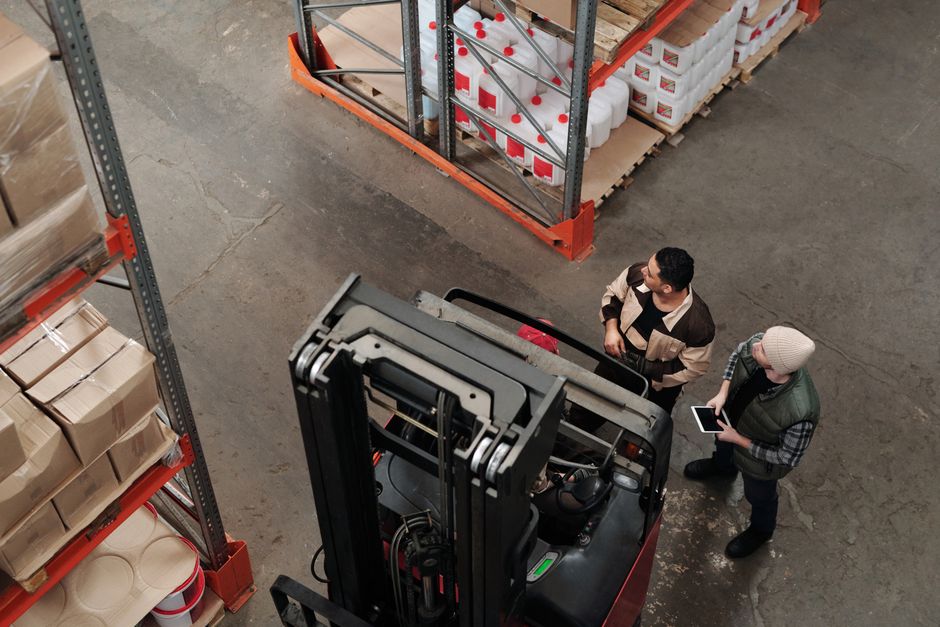
Next, consider the technology you’ll need. There are various systems available for warehouse automation, such as automated storage and retrieval systems (AS/RS), conveyor systems, and robotics. Each has its strengths, so choose based on your specific needs.
- Automated storage and retrieval systems (AS/RS)
- Conveyor systems
- Robotic picking systems
- Warehouse management systems (WMS)
Once you have a clear understanding of your needs and the technology available, it’s time to develop a plan. This plan should outline the specific processes you want to automate and how you will integrate these systems into your existing operations.
Consider creating a timeline for implementation. A phased approach can help ease the transition. Start with one area, such as inventory management, before moving on to more complex systems like automated picking.
It’s also essential to train your staff. Proper training ensures that everyone understands how to use the new systems effectively. This not only helps in smooth operations but also minimizes resistance to change.
| Training Topic | Description |
|---|---|
| System Navigation | How to operate the automation systems |
| Safety Protocols | Ensuring safety while using automated equipment |
After implementing your automation systems, monitor the performance closely. Use data analytics to measure efficiency gains and identify any issues that may arise. This step is critical for ongoing improvements.
Remember, warehouse automation is not a one-time project; it’s a continuous journey. As technology evolves, so should your systems and processes. Regularly revisit your automation strategy to ensure it aligns with your business goals.

In conclusion, automating your warehouse can significantly enhance your operations. By understanding your needs, choosing the right technology, training your staff, and monitoring performance, you can create a more efficient and productive warehouse environment. Ready to take the plunge?
Challenges of Implementing Warehouse Automation Solutions
Implementing warehouse automation can be a game-changer for businesses looking to streamline operations. However, it’s not without its challenges. Understanding these hurdles is crucial for successful integration.
One of the primary challenges is the initial investment. The cost of automation technology, such as automated picking systems or inventory management software, can be significant. This investment may deter some businesses from making the leap.

Additionally, existing systems may not easily integrate with new automated solutions. Legacy systems can complicate the transition, requiring businesses to either upgrade or replace their entire inventory management infrastructure.
- High initial costs
- Integration with legacy systems
- Training staff on new technology
Another significant challenge is the need for employee training. Automation technology can be complex, and staff must be adequately trained to use these systems effectively. This training takes time and resources, which can be a burden for companies already stretched thin.
Moreover, there’s the risk of resistance from employees. Some staff may fear job loss or feel uncomfortable adapting to new automated processes. Addressing these concerns is essential for a smooth transition.
| Challenge | Impact |
|---|---|
| High Initial Costs | May deter investment |
| Integration Issues | Delays in implementation |
| Employee Resistance | Hinders adoption of technology |
It’s also important to consider the ongoing maintenance of automated systems. Technology can fail or require updates, and having a plan in place for these scenarios is crucial.
Additionally, data management plays a vital role. Automated systems generate large amounts of data that need to be analyzed for effective inventory management. Without proper data handling, businesses may struggle to gain insights from their automation efforts.

Lastly, scalability can be a concern. As businesses grow, their warehouse automation solutions must evolve. Companies need to ensure that their systems can adapt to increased inventory levels and changing operational needs.
In summary, while the benefits of warehouse automation are substantial, the challenges should not be overlooked. Addressing these issues head-on can pave the way for a successful implementation that enhances efficiency and productivity.
Warehouse Automation Best Practices for Success
Warehouse automation is becoming increasingly essential for businesses looking to enhance efficiency and reduce operational costs. By implementing the right strategies, you can streamline your warehouse operations and improve inventory management.
To start, it’s crucial to assess your current warehouse processes. Identify areas that require improvement and determine how automation can address those needs. Have you considered how automated systems can optimize your picking and packing processes?
A successful warehouse automation strategy often involves the integration of various technologies. Here are some best practices to consider:
- Invest in an effective warehouse management system (WMS).
- Utilize automated picking solutions, such as robotics.
- Implement real-time data tracking for inventory management.
By focusing on these areas, you can create a more efficient workflow. For instance, using automated systems can significantly reduce the time spent on manual tasks, allowing your workforce to focus on more strategic activities.
Another important aspect of warehouse automation is data management. Collecting and analyzing data can provide insights into your operations. This information can help you make informed decisions about inventory levels and order fulfillment.
| Data Type | Benefit |
|---|---|
| Inventory Levels | Optimize stock and reduce holding costs |
| Order Fulfillment Rates | Improve customer satisfaction |
Collaboration among team members is also vital. Ensure that everyone understands the importance of warehouse automation and how it impacts their roles. Training and communication can foster a culture that embraces change.
Lastly, regularly review and adjust your automation processes. The technology landscape is always evolving, and staying updated will help you maintain a competitive edge. Are you prepared to adapt to new advancements in warehouse automation?
By following these best practices, you can ensure that your warehouse operations are not only automated but also optimized for success. This proactive approach can lead to improved efficiency, reduced costs, and greater customer satisfaction.
Categories of Warehouse Automation: An Overview
Warehouse automation encompasses a variety of systems and technologies designed to improve efficiency and accuracy in warehouse operations. Understanding these categories can help businesses make informed decisions about implementing automation.
At its core, warehouse automation can be divided into several key categories: automated storage and retrieval systems (AS/RS), conveyor systems, robotic picking systems, and inventory management systems. Each of these plays a unique role in streamlining warehouse processes.
Automated Storage and Retrieval Systems (AS/RS) are designed to store and retrieve products automatically. These systems can significantly reduce the time spent on manual tasks and optimize space utilization.
Conveyor systems facilitate the movement of goods within the warehouse. They can transport items between different areas, making it easier to manage inventory flow. Have you ever thought about how much time could be saved with an efficient conveyor system?
- Automated Storage and Retrieval Systems (AS/RS)
- Conveyor Systems
- Robotic Picking Systems
- Inventory Management Systems
Robotic picking systems are revolutionizing the way warehouses operate. These systems use robots to pick items from shelves, reducing human error and increasing speed. The integration of robotics into warehouse automation is a game-changer.
Inventory management systems are essential for tracking stock levels, orders, and deliveries. They provide real-time data that helps businesses manage their inventory more effectively. With accurate data, companies can optimize their supply chain processes.

As you consider warehouse automation, it’s important to evaluate how each category aligns with your operational needs. For example, if your focus is on speed, investing in robotic picking systems might be the way to go.
Here’s a quick comparison of the categories:
| Category | Key Benefits |
|---|---|
| Automated Storage and Retrieval Systems | Space optimization, reduced labor costs |
| Conveyor Systems | Increased efficiency in product movement |
| Robotic Picking Systems | Higher picking accuracy, reduced errors |
| Inventory Management Systems | Real-time data, improved stock control |
In conclusion, warehouse automation is not a one-size-fits-all solution. Each category offers distinct advantages that can cater to different operational goals. By understanding these categories, businesses can better navigate the complex landscape of warehouse automation and make choices that drive efficiency and profitability.
Warehouse Automation Trends & Statistics for 2025
As we look towards 2025, the landscape of warehouse automation is rapidly evolving. Businesses are increasingly recognizing the importance of integrating advanced technologies into their warehouse systems. This shift is not just about efficiency; it’s about staying competitive in a fast-paced market.
The global warehouse automation market is projected to reach significant heights, with estimates suggesting a growth rate of around 14% annually. This surge is driven by the need for better inventory management, reduced operational costs, and enhanced accuracy in picking and shipping processes.
With the rise of e-commerce, warehouses are under pressure to meet increasing consumer demands. Automation systems are becoming essential for managing large volumes of inventory efficiently. Here are some key trends to watch:
- Increased use of robotics for picking and packing.
- AI-driven analytics for inventory management.
- Enhanced integration of IoT devices for real-time data tracking.
Furthermore, companies are investing heavily in automated guided vehicles (AGVs) and autonomous mobile robots (AMRs). These technologies help streamline operations and reduce the need for manual labor.
But what does this mean for the workforce? While there’s a concern that automation may replace jobs, it’s important to note that it also creates new opportunities. Workers will need to adapt and learn new skills to manage these advanced systems effectively.
A recent study highlighted that over 60% of warehouse operators are planning to invest in automation technology by 2025. This investment is not just about replacing human labor but enhancing the overall efficiency of warehouse management systems.
| Trend | Impact |
|---|---|
| Robotic Picking | Increases speed and accuracy |
| AI Analytics | Improves inventory forecasting |
As we embrace these changes, understanding the statistics behind warehouse automation can help businesses make informed decisions. For instance, data shows that warehouses utilizing automation see up to a 25% increase in productivity.

Moreover, the integration of data analytics into warehouse systems allows for smarter inventory management. With real-time insights, businesses can optimize stock levels, anticipate demand, and reduce waste.
As we move forward, the focus will not only be on adopting new technologies but also on ensuring that these systems work seamlessly together. The future of warehouse automation is bright, and staying ahead of these trends will be crucial for any business looking to thrive in the next few years.
In conclusion, warehouse automation is not just a trend; it’s a necessity for modern logistics. Are you ready to embrace these changes?
When to Automate Your Warehouse: Key Considerations
Deciding to automate your warehouse is a significant step. It can enhance efficiency, reduce costs, and improve inventory management. But when is the right time to embrace warehouse automation? Here are some key considerations.
First, evaluate your current operational efficiency. Are your systems struggling to keep up with demand? If you find that manual processes are slowing down picking and shipping times, it might be time to consider automation.
- High order volume
- Frequent errors in inventory management
- Space constraints in your warehouse
Next, think about your workforce. Are your employees overwhelmed? If your team is stretched thin, automation can relieve some of that pressure. Automated systems can handle repetitive tasks, allowing your staff to focus on more strategic functions.
Additionally, consider the technology available. Modern warehouse automation solutions have advanced significantly, offering various options that can be tailored to your specific needs. These systems can integrate with existing inventory management software, making transitions smoother.

Before jumping in, assess the costs involved. While automation can lead to long-term savings, the initial investment can be substantial. Create a cost-benefit analysis to determine if the potential gains justify the expense.
| Consideration | Impact |
|---|---|
| Operational Efficiency | Improved speed and accuracy |
| Workforce Management | Reduced stress on staff |
| Technology Integration | Seamless operations |
Lastly, don’t underestimate the importance of data. Automated systems provide valuable insights into inventory movement and warehouse performance. This data can inform future decisions and help you optimize your operations further.
So, are you ready to take the plunge into warehouse automation? Consider these factors carefully. The right timing and planning can make all the difference in your warehouse’s success.
In conclusion, the evolution of warehouse automation represents a pivotal shift in how businesses approach logistics and supply chain management. As we have explored, the integration of advanced technologies—ranging from robotics and artificial intelligence to sophisticated software solutions—has not only enhanced operational efficiency but has also significantly reduced errors and costs. Companies that embrace warehouse automation are better positioned to respond to the increasing demands of a fast-paced market, offering improved accuracy and speed in order fulfillment, which ultimately leads to higher customer satisfaction.
The benefits of warehouse automation extend beyond mere operational efficiency; they also foster a more adaptable workforce. By automating repetitive tasks, employees can focus on higher-value activities that require critical thinking and problem-solving skills. This shift not only enhances job satisfaction but also encourages innovation within the workplace, as teams are freed up to explore new strategies and improvements. Furthermore, as the technology continues to advance, the potential for scalability becomes even more pronounced, enabling businesses to grow without the proportional increase in overhead costs typically associated with manual processes.
As we look ahead, it is clear that the future of warehouse management will be increasingly defined by automation. With the rise of e-commerce and the growing consumer expectation for rapid delivery, the need for efficient, automated systems is more pressing than ever. Companies that invest in warehouse automation now will not only gain a competitive edge but also lay the groundwork for sustainable growth in an ever-evolving marketplace. The key takeaway is that warehouse automation is not merely a trend; it is an essential strategy for modern businesses aiming to thrive in the digital age.
In summary, embracing warehouse automation is a strategic move that can propel businesses into a new era of efficiency and effectiveness. By leveraging the latest technologies, companies can optimize their operations, enhance their workforce capabilities, and ultimately deliver better service to their customers. As we continue to witness advancements in this field, it is crucial for organizations to remain agile and open to change, ensuring they capitalize on the myriad opportunities that warehouse automation presents. The future is bright for those willing to embrace this transformation, paving the way for innovation, growth, and unparalleled success.
Leave a Reply