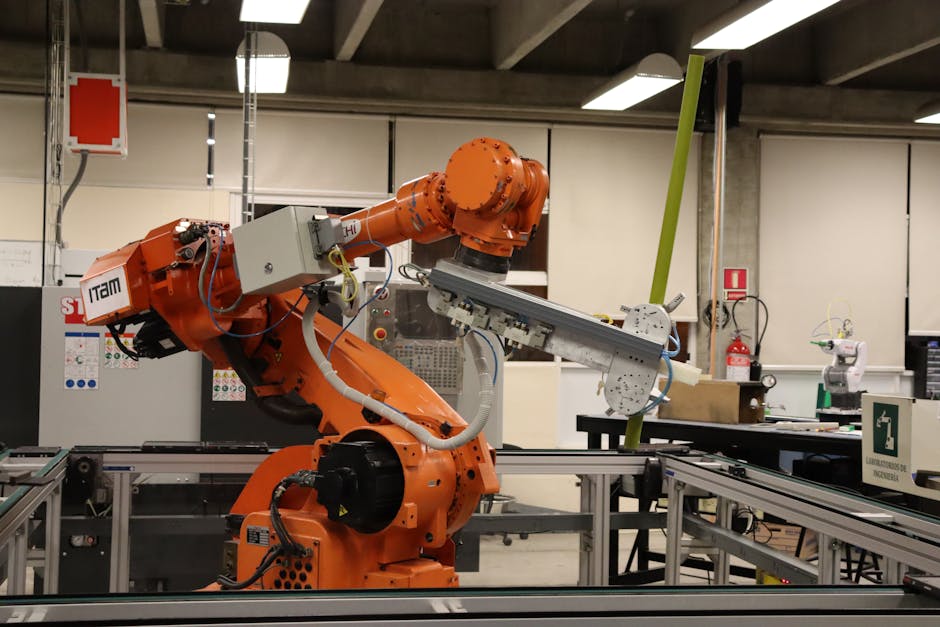
Robotic Process Automation (RPA) software is changing the way organizations operate, offering unprecedented efficiency and accuracy in handling repetitive tasks. Imagine freeing your workforce from mundane processes, allowing them to focus on strategic initiatives that drive growth and innovation. In this article, we will explore the fundamentals of RPA, its numerous benefits, and how to choose the right tools for your business needs. Whether you’re just starting your automation journey or looking to enhance existing processes, understanding RPA software is essential for staying competitive in today’s fast-paced digital landscape.
What is Robotic Process Automation (RPA) Software?
Robotic Process Automation (RPA) software is a technology that uses robots or “bots” to automate repetitive tasks traditionally performed by humans. These tasks can include data entry, processing transactions, and managing records. By leveraging RPA, businesses can enhance efficiency and reduce operational costs.
At its core, RPA is about streamlining processes. It allows organizations to integrate automation into their existing workflows without the need for extensive coding or complex programming. This means that even those without a technical background can implement RPA solutions.
- Enhances accuracy by minimizing human error
- Increases speed of task completion
- Reduces operational costs
The capabilities of RPA software extend beyond simple task automation. It can work with various applications and systems, making it an ideal solution for businesses looking to improve their operational efficiency. For instance, RPA can integrate with CRM systems, databases, and even web applications.
Many organizations are already seeing the benefits of RPA. However, to fully appreciate its potential, it’s essential to understand how it fits into the broader landscape of automation technologies.
| Feature | Benefit |
|---|---|
| User-friendly interface | Easy for non-tech users to operate |
| Scalability | Adaptable to growing business needs |
RPA software can handle a wide variety of tasks, from simple data extraction to complex workflows. This flexibility is one of the reasons why businesses are increasingly adopting RPA solutions. But how does it actually work?
In essence, RPA tools mimic human actions. They can log into applications, enter data, and perform calculations. This means that once the software is set up, it can operate autonomously, freeing up human employees to focus on more strategic tasks.
- Automates repetitive tasks
- Improves compliance and governance
- Provides analytics for process improvement
Moreover, RPA software can be integrated with artificial intelligence (AI) and machine learning (ML) technologies. This integration enhances its capabilities, making it possible for bots to analyze data and make decisions based on that information.
In conclusion, RPA software is a game changer for businesses. It not only automates mundane tasks, but also empowers organizations to focus on growth and innovation. By understanding RPA, businesses can unlock new levels of efficiency and productivity.
Key Benefits of RPA Software for Businesses
RPA software, or Robotic Process Automation software, is transforming how businesses operate. By automating mundane tasks, companies can focus on what truly matters: growth and innovation. But what exactly are the benefits of integrating RPA into your business processes?
First and foremost, RPA significantly boosts efficiency. With automation, repetitive tasks that once consumed valuable time can now be completed in a fraction of the time. This means your team can allocate their efforts toward more strategic initiatives.
Additionally, RPA reduces human error. When processes are automated, the risk of mistakes decreases dramatically. This leads to more accurate data handling and smoother operations.
- Increased productivity
- Reduced operational costs
- Enhanced accuracy in tasks
Another key advantage is scalability. RPA software can easily adapt to changing business needs. Whether you’re dealing with increased workloads or expanding your services, RPA provides the flexibility to scale operations without a hitch.
Moreover, RPA enhances compliance. Automated processes maintain detailed logs of activities, making it simpler to adhere to regulatory requirements. This not only protects your business but also builds trust with clients and stakeholders.
But how does RPA software integrate with existing systems? The good news is that RPA can seamlessly connect with various applications and platforms. This integration capability means you don’t have to overhaul your entire system to reap the benefits of automation.
Here’s a quick look at the key features of RPA software:
| Feature | Benefit |
|---|---|
| User-friendly interface | Easy to implement with minimal training |
| Analytics and reporting | Provides insights for continuous improvement |
As you can see, the capabilities of RPA software extend far beyond simple automation. It’s about optimizing your entire business process. By leveraging the right RPA tools, you can drive significant improvements in efficiency and productivity.
But it’s not just about the immediate benefits. Long-term, RPA can lead to a cultural shift within your organization. Teams become more agile, innovative, and better equipped to tackle challenges.
In summary, the integration of RPA software into your business can yield substantial benefits. From enhanced efficiency and reduced errors to improved compliance and scalability, the advantages are clear.
So, if you’re still on the fence about adopting RPA, consider this: Is your business ready to embrace the future of work? By taking the plunge, you can unlock new levels of productivity and success.
- Improved employee satisfaction
- Faster turnaround times
- Greater focus on strategic goals
How RPA Software Can Transform Your Business Processes
RPA software, or Robotic Process Automation software, is revolutionizing the way businesses operate. By automating repetitive tasks, organizations can streamline their operations, reduce errors, and free up valuable time for their employees.
Imagine a world where mundane tasks are handled by software robots. This is not just a dream; it’s a reality with RPA. Companies are leveraging automation to enhance efficiency and productivity in various business processes.
One of the primary capabilities of RPA is its ability to integrate with existing systems without requiring extensive code changes. This means businesses can implement RPA software quickly and effectively.
Some key features of RPA include:
- Seamless integration with various applications
- Ability to handle large volumes of data
- Reduction of operational costs
With these capabilities, RPA can significantly reduce the time spent on repetitive tasks. This allows employees to focus on more strategic initiatives that require human insight.
Consider the tasks that are often repetitive in your organization. Could they be automated? RPA software can take over data entry, invoice processing, and even customer support tasks.
Here’s a simple table that showcases some common tasks that can be automated using RPA:
| Task | RPA Benefit |
|---|---|
| Data Entry | Increased accuracy and speed |
| Invoice Processing | Reduced processing time |
| Customer Support | 24/7 availability |
As RPA continues to evolve, its integration capabilities expand. Businesses can connect RPA software with various applications, creating a seamless flow of information. This integration not only improves efficiency but also enhances data accuracy.
Automation also helps in compliance. RPA software can be programmed to follow regulations, ensuring that your business processes remain compliant with industry standards.
In conclusion, RPA software is a powerful tool that can transform your business processes. By automating tasks, improving integration, and ensuring compliance, RPA can lead to significant operational improvements.
Are you ready to embrace the future of automation? With RPA, the potential for efficiency and productivity is limitless.
Top Features to Look for in RPA Software
When exploring RPA software, it’s essential to identify the key features that can truly enhance automation in your business processes. This software is designed to streamline repetitive tasks, but not all solutions are created equal. So, what should you look for?
First and foremost, user-friendliness is crucial. A good RPA solution should have an intuitive interface that allows users to build automation workflows without extensive coding knowledge. This means that both technical and non-technical team members can easily navigate the software.
Additionally, consider the software’s integration capabilities. The best RPA tools should seamlessly connect with existing systems and applications, enabling smooth data flow across platforms. This integration can significantly enhance the overall efficiency of your business operations.
- User-friendly interface
- Robust integration capabilities
- Scalability for future needs
Another vital feature is the ability to handle exceptions and manage errors effectively. An RPA solution should not only automate tasks but also ensure that it can gracefully handle any issues that arise during execution. This capability is essential for maintaining the integrity of your processes.
Moreover, the software should offer strong analytics and reporting features. By providing insights into task performance and process efficiency, RPA tools can help businesses identify areas for improvement and optimize their automation strategies.
| Feature | Importance |
|---|---|
| User-friendliness | Enables easy adoption and use |
| Integration | Enhances data flow and efficiency |
| Analytics | Informs optimization and strategy |
Security is another critical aspect. Since RPA software often handles sensitive data, it’s essential to ensure that the solution has robust security measures in place. Look for features like encryption, user access controls, and compliance with industry standards.
Finally, scalability is a feature you shouldn’t overlook. As your business grows, your automation needs will evolve. Choose RPA software that can scale with your operations, accommodating increased workloads and more complex processes.
- Effective error management
- Strong security features
- Scalability for growth
In conclusion, selecting the right RPA software involves assessing various features that align with your business goals. By focusing on user-friendliness, integration capabilities, error management, analytics, security, and scalability, you can ensure that your automation efforts are both effective and sustainable. So, what features will be most beneficial for your organization?
Best RPA Software Tools in 2026
In 2026, the landscape of RPA software continues to evolve rapidly. Businesses are increasingly turning to automation to streamline operations and enhance efficiency. But with so many options available, how do you choose the right RPA software for your needs?
One of the key factors to consider is the software’s capabilities. Look for tools that offer robust features, such as drag-and-drop interfaces, which allow users to create automation workflows without extensive coding knowledge. This is particularly important for organizations that may not have dedicated IT teams.
Here are some popular RPA software tools that stand out in 2026:
- UiPath
- Automation Anywhere
- Blue Prism
- Microsoft Power Automate
- Pega
These tools are known for their ease of use and powerful integration capabilities. They can connect with various applications and systems, allowing businesses to automate a wide range of tasks. This integration is crucial for ensuring that your automation processes run smoothly and effectively.
When evaluating RPA software, consider the types of processes you want to automate. Some tools excel at handling repetitive tasks, while others are better suited for complex workflows. Knowing the specific needs of your business will help you make an informed decision.
| RPA Tool | Key Features |
|---|---|
| UiPath | User-friendly, extensive library of pre-built automations |
| Automation Anywhere | Cognitive automation capabilities, cloud-native |
| Blue Prism | Scalability, strong security features |
As you explore these options, think about the scalability of the RPA software. Can it grow with your business? This is vital, especially if you plan to expand your automation initiatives in the future.
Another essential aspect is the support and resources available from the software provider. A strong community and comprehensive documentation can make a significant difference in how quickly your team can adapt to the new tool.
In conclusion, choosing the best RPA software in 2026 requires careful consideration of your business needs, the capabilities of the tools, and their potential for integration. By focusing on these factors, you can select an RPA solution that empowers your team to automate processes effectively and drive business success.
Are you ready to take the leap into automation? The right RPA software can transform your workflow and open up new possibilities for efficiency and growth.
How to Choose the Right RPA Software for Your Needs
Choosing the right RPA software can feel overwhelming, especially with so many options available. It’s essential to understand your specific requirements before diving into the world of automation.
First, consider the tasks you want to automate. Are they repetitive data entry tasks, or do you need something more complex? Identifying your business processes will help you narrow down the features you need in an RPA solution.
- Identify repetitive tasks
- Assess complexity of processes
- Determine data handling needs
Next, look at the integration capabilities of the RPA software. Will it work seamlessly with your existing systems? The best RPA tools should easily integrate with your current software stack, whether it’s CRM, ERP, or other business applications.
Also, think about scalability. As your business grows, your automation needs may evolve. Choose RPA software that can scale with you, offering the flexibility to add more bots or processes without significant hassle.
| Factor | Considerations |
|---|---|
| Integration | How well does it work with your existing systems? |
| Scalability | Can it grow with your business needs? |
Another critical aspect is the user interface. RPA software should be user-friendly, allowing your team to adapt quickly. A complicated interface can lead to frustration and hinder your automation efforts.
Consider the support and training options available. Does the provider offer comprehensive resources? Having access to training materials and customer support can make a significant difference in your RPA journey.
- User-friendly interface
- Access to training resources
- Quality customer support
Lastly, evaluate the pricing model. Some RPA solutions charge per bot, while others have a flat fee. Understand your budget and how the pricing aligns with your expected ROI from automation.
In conclusion, selecting the right RPA software requires careful consideration of your business needs. By focusing on integration, scalability, user-friendliness, support, and pricing, you can find a solution that enhances your automation efforts and drives efficiency.
Remember, the right choice can transform your business processes, making them smoother and more efficient. Happy automating!
Recent Innovations in RPA Technology
The world of RPA software is evolving at a rapid pace. Recent innovations are pushing the boundaries of what automation can achieve in various business processes. With the rise of artificial intelligence and machine learning, RPA is no longer just about automating repetitive tasks. It’s about enhancing capabilities and improving overall efficiency.
One of the most significant advancements is the integration of AI into RPA solutions. This allows for smarter decision-making and the ability to handle more complex processes. Imagine a system that not only executes tasks but also learns from the data it processes. This is the future of RPA, where software can adapt and optimize itself over time.
- AI-powered decision-making
- Enhanced data processing capabilities
- Improved user experience with intuitive interfaces
Additionally, the emergence of low-code and no-code platforms is making RPA more accessible than ever. Businesses can now implement automation without extensive coding knowledge. This democratization of technology empowers users across various departments to automate their workflows, leading to significant time savings.
Consider how this shift can transform your business. Teams that once struggled with mundane tasks can now focus on strategic initiatives. By leveraging RPA software, organizations can streamline operations and drive innovation.
| Innovation | Impact on RPA |
|---|---|
| AI Integration | Smarter automation and decision-making |
| Low-code Platforms | Broader access to automation tools |
As we look deeper into RPA innovations, another exciting development is the enhanced focus on data security. With businesses relying heavily on data for their operations, ensuring that this data is secure during automation processes is vital. New RPA solutions are incorporating advanced encryption and security features to protect sensitive information.
Moreover, the ability to integrate RPA with existing business systems is becoming a standard feature. This integration allows for seamless data flow and process synchronization across platforms. It’s not just about automating tasks anymore; it’s about creating a cohesive ecosystem that enhances productivity.
- Data security enhancements
- Seamless integration with business systems
- Focus on creating a cohesive ecosystem
In conclusion, the recent innovations in RPA technology are transforming how businesses operate. With AI, low-code platforms, and improved security measures, RPA is set to become an indispensable tool for organizations looking to thrive in a competitive landscape. Are you ready to embrace these changes and unlock the full potential of RPA software in your business?
RPA Software: Use Cases Across Industries
RPA software, or Robotic Process Automation software, has become a game changer for businesses across various sectors. It’s all about automation-streamlining repetitive tasks that consume valuable time and resources. But what exactly are the use cases for RPA?
In industries like finance, RPA can automate tasks such as invoice processing, data entry, and compliance checks. This not only speeds up operations but also reduces human error, which is crucial in environments where accuracy is paramount.
- Invoice processing
- Data entry
- Compliance checks
In healthcare, RPA software helps manage patient records and appointment scheduling. Imagine having a system that can automatically update patient information or send reminders for appointments. This capability enhances patient care while allowing staff to focus on more critical tasks.
Another fascinating area is customer service. RPA can handle inquiries through chatbots or automated email responses. This integration allows businesses to provide faster service without compromising quality.
So, how does RPA fit into the manufacturing sector? Well, it can manage supply chain logistics and inventory management. By automating these processes, companies can ensure they’re always stocked and ready to meet demand.
Here’s a quick overview of how RPA can benefit different industries:
| Industry | RPA Use Case |
|---|---|
| Finance | Invoice processing and compliance |
| Healthcare | Patient record management |
| Manufacturing | Supply chain logistics |
In retail, RPA can streamline inventory management and order processing. This means businesses can respond to customer demands more swiftly. Why spend hours on stock checks when RPA can do it in minutes?
Moreover, RPA is valuable in human resources for onboarding new employees. Automating paperwork and data entry frees up HR professionals to engage more with new hires, creating a better onboarding experience.
The capabilities of RPA software are vast, and its applications are only limited by imagination. From automating mundane tasks to integrating complex processes, RPA is reshaping how businesses operate.
As you can see, the integration of RPA software is not just a trend; it’s a strategic move that can lead to significant improvements in efficiency and productivity.
What areas of your business could benefit from RPA? It might be time to explore the possibilities.
The Evolution of RPA Software Over Time
RPA software has come a long way since its inception. Initially, it was primarily used for simple task automation, allowing businesses to streamline repetitive processes. Over time, as technology advanced, the capabilities of RPA expanded significantly.
In the early days, RPA tools were relatively basic. They could mimic user actions on a computer, which was revolutionary at the time. But as businesses sought more sophisticated solutions, the demand for enhanced features grew. This led to the development of more robust RPA software that could handle complex tasks.
Today, RPA is not just about mimicking actions. Modern RPA solutions integrate artificial intelligence and machine learning, allowing them to learn from data and improve over time. This evolution has made RPA a critical component of digital transformation strategies for many organizations.
Some key features that have emerged in RPA software include:
- Advanced analytics capabilities
- Seamless integration with existing systems
- Enhanced security measures
As we look at the evolution of RPA, it’s essential to highlight the role of integration. Early RPA tools often operated in silos, which limited their effectiveness. Today, RPA software can integrate with various applications and data sources, creating a more cohesive automation ecosystem.
This integration allows businesses to automate end-to-end processes, significantly improving efficiency. Imagine a scenario where data flows seamlessly between systems without manual intervention. Isn’t that the dream for many businesses?
| RPA Software Features | Impact on Business |
|---|---|
| AI and Machine Learning Integration | Increased efficiency and reduced errors |
| User-friendly Interfaces | Faster adoption and reduced training time |
With these advancements, RPA software has become a vital tool for businesses looking to enhance their operational efficiency. The ability to automate not just simple tasks but entire workflows is a game-changer.
However, it’s important to remember that the evolution of RPA is ongoing. As businesses continue to embrace digital transformation, the demand for more intelligent and capable RPA solutions will only grow.
What does this mean for the future? Expect to see even more innovation in how RPA integrates with other technologies, further enhancing its capabilities. The journey of RPA software is just beginning, and the possibilities are exciting.
As we look ahead, organizations must remain agile. Those who can leverage the latest RPA capabilities will not only improve their processes but also gain a competitive edge in their respective markets.
In summary, RPA software has evolved from basic automation tools to sophisticated systems capable of transforming business processes. The integration of advanced technologies continues to shape its future, making it an essential part of any modern business strategy.
In conclusion, the transformative potential of RPA software cannot be overstated. As businesses continue to embrace digital transformation, the integration of robotic process automation into their operational frameworks is becoming increasingly crucial. RPA software not only enhances efficiency by automating repetitive tasks but also significantly reduces the likelihood of human error, allowing organizations to allocate their resources more strategically. By streamlining workflows and improving accuracy, RPA empowers companies to focus on innovation and customer satisfaction. Furthermore, with the ability to scale operations quickly and adapt to changing market demands, RPA software serves as a vital tool in maintaining a competitive edge. As you consider implementing RPA within your organization, it’s essential to assess your specific needs and choose a solution that aligns with your goals. With the right RPA software in place, you can unlock new levels of productivity and drive meaningful change across your enterprise. The future is bright for those who harness the capabilities of RPA, transforming not just their processes, but their entire approach to business in an increasingly automated world.
Leave a Reply