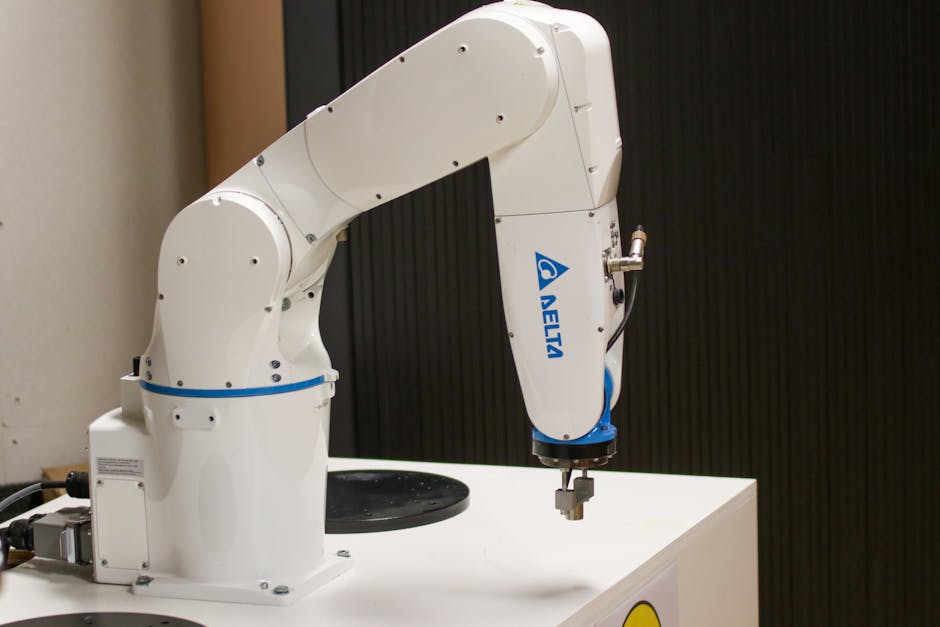
In an era where efficiency and innovation are paramount, robotic automation stands at the forefront of technological advancement, revolutionizing how businesses operate. Imagine a world where repetitive tasks are seamlessly managed by intelligent systems, allowing human workers to focus on creativity and strategic thinking. This article will delve into the fundamentals of robotic automation, exploring its historical evolution, benefits, challenges, and the profound impact it has on the workforce. Whether you’re a business leader seeking to optimize operations or simply curious about the future of technology, you’ll gain valuable insights into how robotic automation can reshape the landscape of work and productivity. Join us as we navigate through this exciting and transformative field.
What is Robotic Automation?
Robotic automation refers to the use of technology to automate tasks that are typically performed by humans. It encompasses a wide range of technologies, including robotic process automation (RPA), which allows software bots to execute routine tasks efficiently.
In today’s business environment, organizations are increasingly turning to automation to streamline operations, reduce costs, and improve accuracy. But what exactly does this mean for the workforce? It means that repetitive tasks can be handled by bots, freeing up human employees to focus on more strategic initiatives.
At its core, robotic automation leverages software to perform structured processes. These processes can include data entry, transaction processing, and even customer service interactions. By deploying RPA tools, companies can enhance productivity and minimize errors.
- Increased efficiency
- Cost savings
- Enhanced accuracy
Imagine a scenario where a business needs to process hundreds of invoices daily. With robotic automation, this task can be executed in a fraction of the time it would take a human. The bots can read, interpret, and input data without fatigue, ensuring consistent results.
Furthermore, the integration of robotic automation into existing workflows can significantly impact overall business performance. Companies can achieve faster turnaround times and improved service delivery, which can lead to higher customer satisfaction.
| Benefits of Robotic Automation | Impact on Business |
|---|---|
| Increased efficiency | Faster processing times |
| Cost savings | Reduced operational costs |
| Enhanced accuracy | Fewer errors in data handling |
However, it’s essential to understand that robotic automation isn’t about replacing humans. Instead, it’s about augmenting their capabilities. By automating mundane tasks, employees can engage in more meaningful work that requires creativity and problem-solving skills.
As businesses continue to evolve in a digital landscape, the role of robotic automation will only grow. It’s not just a trend; it’s becoming a necessity for companies looking to stay competitive.
In summary, robotic automation is a powerful tool that can transform business processes. Whether it’s through RPA or other technologies, the goal remains the same: to make work easier, faster, and more accurate. As we look ahead, embracing this technology will be crucial for businesses aiming for success in an increasingly automated world.
The Evolution of Robotic Process Automation
Robotic Process Automation (RPA) has transformed the way businesses operate. Over the years, automation has moved from simple task execution to complex decision-making processes. But how did we get here?
Initially, automation focused on streamlining repetitive tasks. Businesses sought to reduce costs and improve efficiency. RPA emerged as a solution, allowing software bots to handle mundane processes without human intervention.
This evolution has been driven by advancements in technology. The rise of artificial intelligence and machine learning has enabled robotic automation to tackle more sophisticated tasks. Today, RPA can analyze data and even adapt to changing circumstances.
- Improved efficiency through automation
- Reduction of human error in processes
- Increased scalability for businesses
As businesses adopted robotic process automation, they noticed significant improvements. Tasks that once took hours could now be completed in minutes. This shift allowed employees to focus on higher-value work.
But the journey of RPA doesn’t end here. With the integration of AI, we are witnessing a new wave of automation. Bots are becoming smarter, capable of learning from data and making decisions.
Consider the impact on various sectors. Industries like finance, healthcare, and manufacturing have leveraged robotic process automation to optimize operations. The benefits are clear: reduced costs, enhanced accuracy, and improved compliance.
| Industry | RPA Benefits |
|---|---|
| Finance | Faster transaction processing |
| Healthcare | Improved patient data management |
| Manufacturing | Streamlined supply chain operations |
As we look to the future, the potential of robotic process automation seems limitless. The integration of RPA with other technologies will continue to reshape the business landscape. Are we ready for this change?
In conclusion, the evolution of RPA signifies more than just automation; it represents a shift in how businesses think about efficiency and productivity. Embracing these technologies can lead to a more agile and competitive environment.
Impact of Robotic Automation on Employment
The rise of robotic automation has sparked a significant conversation about its impact on employment. Many are curious: will automation replace human jobs, or will it create new opportunities? The reality is a blend of both.
As businesses increasingly adopt robotic process automation (RPA), the landscape of work is changing. RPA allows companies to automate repetitive tasks, leading to increased efficiency and reduced operational costs. But what does this mean for the workforce?
- Increased efficiency in business operations.
- Reduction in mundane, repetitive tasks for humans.
- Potential job displacement in certain sectors.
While automation can lead to job displacement, it also frees employees from mundane tasks. This shift can allow humans to focus on more complex and creative aspects of their jobs. For instance, instead of spending hours on data entry, workers can engage in strategic planning or customer interaction.
However, the transition isn’t always smooth. Many employees may feel threatened by the rise of bots and automation. It’s crucial for businesses to manage this transition thoughtfully. Upskilling and reskilling programs can help workers adapt to new roles that emerge from automation.
| Impact of Robotic Automation | Description |
|---|---|
| Job Displacement | Certain roles may become obsolete due to automation. |
| Job Creation | New roles in tech, management, and strategy may emerge. |
The conversation around robotic automation often overlooks the potential for new job creation. As companies implement RPA, they need skilled professionals to manage and optimize these systems. This demand can lead to new career paths in technology and data analysis.
Moreover, the integration of automation can enhance job satisfaction. Employees can focus on higher-value tasks, fostering a more rewarding work environment. Isn’t it more fulfilling to engage in creative problem-solving rather than repetitive data entry?
- Increased demand for tech-savvy professionals.
- Enhanced job satisfaction through meaningful work.
- Need for continuous learning and adaptation.
In conclusion, the impact of robotic automation on employment is multifaceted. While there are challenges, the opportunities for growth and innovation are equally significant. Embracing this change can lead to a more dynamic workforce, ready to tackle the challenges of tomorrow.
As we move forward, it’s essential to prioritize education and training. By investing in our workforce, we can ensure that the benefits of robotic automation are shared by all.
Understanding Unassisted Robotic Process Automation
Robotic Process Automation (RPA) is transforming the way businesses operate. At its core, RPA involves using software bots to automate repetitive tasks previously performed by humans. This shift not only enhances efficiency but also reduces errors, allowing human workers to focus on more strategic activities.
Unassisted robotic process automation refers to systems that operate independently without human intervention. These bots can handle a variety of processes, from data entry to complex workflows, effectively streamlining operations.
- Increased accuracy in task execution
- Cost savings for businesses
- Enhanced productivity across departments
One of the primary benefits of robotic automation is its ability to process large volumes of data quickly. This capability is crucial in today’s data-driven environment, where timely insights can make a significant difference. But how does this all come together?
Imagine a business where data is gathered, analyzed, and reported without manual input. RPA tools can seamlessly integrate with existing software, extracting data from various sources and compiling it into meaningful reports. This not only saves time but also ensures that the information is accurate and up-to-date.
| Task Type | RPA Benefit |
|---|---|
| Data Entry | Eliminates human error |
| Invoice Processing | Speeds up financial workflows |
| Customer Support | Improves response times |
As organizations adopt unassisted RPA, they often witness a cultural shift. Employees begin to embrace technology as a partner rather than a competitor. This collaboration fosters an environment where innovation can thrive.
However, it’s essential to approach robotic process automation with a clear strategy. Identifying the right processes to automate is crucial. Not every task is suitable for RPA. Tasks that are rule-based and repetitive tend to yield the best results.
- Rule-based tasks
- High-volume data processes
- Time-consuming manual workflows
In conclusion, unassisted robotic process automation offers businesses an opportunity to enhance their operational efficiency. By leveraging bots to handle mundane tasks, organizations can redirect their human resources towards more impactful work. Isn’t it time to consider how RPA can reshape your business processes?
Exploring Hyperautomation in Business
In today’s fast-paced business environment, the quest for efficiency has led many organizations to explore hyperautomation. This concept goes beyond traditional automation, integrating various technologies to streamline operations. But what exactly does hyperautomation entail?
At its core, hyperautomation combines robotic process automation (RPA) with artificial intelligence (AI) and machine learning. This powerful mix allows businesses to automate not just simple tasks, but complex processes that require human-like decision-making.
- Enhanced operational efficiency
- Reduced human error
- Increased employee satisfaction
Imagine a scenario where data entry, invoice processing, and customer service inquiries are all handled by bots. This not only speeds up these tasks but also frees up human employees to focus on higher-value activities. The result? A more agile business capable of adapting to changing market demands.
Hyperautomation isn’t just about replacing human effort; it’s about augmenting it. By leveraging RPA, businesses can ensure that repetitive tasks are executed flawlessly, while humans can devote their time to strategic initiatives that require creativity and critical thinking.
| Aspect | Benefit |
|---|---|
| Time Savings | Faster task completion |
| Cost Reduction | Lower operational costs |
| Scalability | Easily scale operations |
As businesses adopt robotic process automation and other automation technologies, they often see immediate benefits. However, the true potential of hyperautomation lies in its ability to transform entire workflows. By analyzing data and optimizing processes, organizations can achieve a level of efficiency previously thought unattainable.
But is hyperautomation a one-size-fits-all solution? Not necessarily. Each business has unique processes and challenges. Therefore, a tailored approach is essential for maximizing the benefits of automation.
- Identify key processes for automation
- Evaluate the right technologies
- Continuously monitor and optimize
In conclusion, hyperautomation represents a significant step forward in the evolution of business processes. By integrating robotic automation with advanced technologies, companies can unlock new levels of productivity and innovation. As we continue to explore this exciting frontier, the possibilities for businesses are truly limitless.
Outsourcing and Robotic Process Automation
In today’s fast-paced business environment, many companies are turning to robotic automation to streamline operations. One of the most popular forms of this technology is Robotic Process Automation (RPA). But how does RPA intertwine with outsourcing?
Outsourcing has long been a strategy for businesses looking to reduce costs and increase efficiency. By delegating specific tasks to external vendors, companies can focus on their core competencies. However, with the rise of RPA, the landscape is changing. Now, businesses can automate routine tasks that were once outsourced, leading to a shift in how work is done.
- Cost Reduction
- Increased Efficiency
- Improved Accuracy
- Enhanced Scalability
So, what exactly is RPA? It refers to the use of software bots to automate repetitive tasks typically performed by humans. This can include anything from data entry to processing transactions. By employing robots to handle these tasks, businesses can achieve a level of efficiency that is hard to match.
Moreover, RPA can be integrated with existing systems without the need for significant changes. This means that companies can implement robotic process automation without disrupting their current workflows. Isn’t that a win-win situation?
| Benefits of RPA | Impact on Outsourcing |
|---|---|
| Reduces operational costs | Decreases reliance on outsourcing |
| Increases speed of task completion | Allows for more strategic outsourcing |
As businesses adopt automation technologies, they often find that some tasks no longer need to be outsourced. This can lead to a re-evaluation of vendor relationships and a focus on more strategic partnerships. For instance, companies might choose to outsource only the tasks that require human judgment or creativity.
It’s essential to consider the balance between robotic solutions and human involvement. While RPA can handle many tasks, there are still areas where human insight is irreplaceable. This blend of technology and human expertise can drive innovation and growth.
- Identify tasks suitable for RPA
- Evaluate the impact on current outsourcing
- Maintain a strategic approach to outsourcing
In conclusion, the intersection of outsourcing and robotic process automation is reshaping the way businesses operate. As companies leverage RPA, they can streamline operations, reduce costs, and focus on what truly matters-their core business objectives. Are you ready to embrace this change?
Key Benefits of Robotic Process Automation
Robotic Process Automation (RPA) is transforming the landscape of business operations. By automating repetitive tasks, organizations can significantly enhance efficiency. But what are the key benefits of implementing robotic automation in your processes?
First and foremost, one of the most compelling advantages of RPA is its ability to reduce operational costs. By employing bots to handle mundane tasks, businesses can redirect human resources to more strategic roles. This not only saves money but also maximizes the potential of your workforce.
- Cost savings through reduced labor expenses
- Increased productivity by reallocating human talent
- Enhanced accuracy, minimizing human error
Moreover, robotic automation leads to improved accuracy. Bots can perform tasks with precision, significantly lowering the chances of mistakes. When data entry or processing is handled by software, the consistency and reliability of the output are much higher than when done manually.
Another key benefit is speed. RPA can execute tasks much faster than a human ever could. This means that processes which previously took hours can be completed in mere minutes. Imagine the possibilities when your business can operate at such an accelerated pace!
| Benefit | Description |
|---|---|
| Cost Reduction | Lower labor costs and increased efficiency |
| Accuracy | Minimized human error in processes |
| Speed | Faster execution of tasks |
Additionally, RPA enhances compliance. With automated processes, every action is logged and documented, making it easier for businesses to adhere to regulations. This level of transparency is crucial in today’s data-driven world.
Have you considered the scalability that robotic process automation offers? As your business grows, RPA can easily adapt to increased workloads without requiring significant additional investments. This flexibility allows companies to stay agile and responsive to market demands.
In conclusion, the benefits of robotic automation are clear. From cost savings and improved accuracy to speed and compliance, RPA has the potential to transform how businesses operate. If you’re looking to optimize your processes and stay ahead of the competition, embracing RPA might just be the key.
With all these advantages, it’s no wonder that more businesses are turning to robotic process automation. Isn’t it time you explored what RPA can do for you?
Limitations of Robotic Process Automation
Robotic Process Automation (RPA) has gained significant traction in the business world. However, like any technology, it comes with its own set of limitations. Understanding these constraints is crucial for organizations looking to implement automation effectively.
One of the primary limitations of RPA is its inability to handle unstructured data. While bots excel at repetitive tasks involving structured data, they struggle with information that is less organized. This can include emails, scanned documents, and other formats that require human judgment to interpret.
- RPA is best suited for structured data.
- Unstructured data often requires human intervention.
- Complex decision-making is beyond RPA’s capabilities.
Another challenge is the complexity of processes. Not all business processes can be automated. RPA works best when tasks are straightforward and rule-based. When processes involve exceptions or require nuanced decision-making, human oversight is still necessary.
Moreover, implementing RPA can be costly. Organizations must invest in software, training, and ongoing maintenance. For small businesses, these costs can be prohibitive, making it essential to weigh the benefits against the investment.
| Limitation | Impact |
|---|---|
| Unstructured Data Handling | Limits automation scope |
| Process Complexity | Requires human oversight |
| Implementation Costs | May deter small businesses |
Additionally, there’s the issue of change management. Implementing RPA can lead to resistance among employees. People often fear that automation will replace their jobs. It’s important to communicate that RPA is designed to assist, not replace, human workers.
Training staff to work alongside bots is essential. Without proper training, the full benefits of RPA may not be realized.
- Change management is crucial for success.
- Employee training can enhance RPA effectiveness.
- Communication is key to overcoming resistance.
Finally, RPA lacks the ability to learn and adapt like humans do. While it can perform tasks efficiently, it doesn’t possess the cognitive abilities required for more complex problem-solving. Organizations must consider whether their processes require such intelligence before deciding on RPA.
In summary, while robotic automation offers numerous benefits, it is essential to recognize its limitations. By understanding these constraints, businesses can make informed decisions on how to leverage RPA effectively. After all, the goal is to enhance efficiency, not to create new challenges.
Difference Between RPA and AI Explained
Robotic Process Automation (RPA) and Artificial Intelligence (AI) are two terms that often pop up in conversations about automation. While they may seem similar, they serve distinct purposes in the realm of business processes.
RPA is designed to automate repetitive, rule-based tasks. Think of it as a digital workforce that can handle mundane activities without human intervention. On the other hand, AI involves machines that can learn, reason, and make decisions based on data. So, while RPA executes predefined tasks, AI can adapt and improve over time.
To better understand their differences, consider the following:
| Aspect | RPA | AI |
|---|---|---|
| Purpose | Automate repetitive tasks | Learn and make decisions |
| Complexity | Low | High |
| Data Dependency | Limited | Extensive |
RPA can handle tasks like data entry or processing invoices, freeing up human workers for more strategic activities. In contrast, AI can analyze large datasets, predict outcomes, and even engage in conversations with customers.
So, how do they complement each other? RPA can be enhanced with AI capabilities, creating a more robust automation solution. For instance, integrating AI with RPA allows bots to not only execute tasks but also to learn from the data they process.
Here are some key areas where RPA and AI differ:
- Task Handling: RPA is perfect for structured tasks, while AI shines with unstructured data.
- Implementation Time: RPA can be deployed quickly, whereas AI requires more time for training and testing.
- Human Interaction: RPA needs minimal human oversight, while AI often requires human collaboration for optimal performance.
In summary, both RPA and AI play a crucial role in the automation landscape. While RPA simplifies processes by handling repetitive tasks, AI brings intelligence to the table, enabling machines to learn and adapt.
As businesses continue to evolve, understanding the difference between these two technologies is vital for leveraging their full potential. After all, the right combination can lead to significant efficiency gains and improved decision-making.
Overview of Robotic Process Automation Technologies
Robotic Process Automation (RPA) is transforming how businesses operate by streamlining processes with software bots. These technologies automate repetitive tasks, allowing human workers to focus on more strategic activities. But what exactly does this entail?
RPA uses software to mimic human actions in digital systems. This means bots can perform tasks such as data entry, processing transactions, and managing records. The beauty of robotic automation lies in its ability to handle high volumes of work with precision and speed.
- Automates routine tasks
- Reduces operational costs
- Enhances accuracy
- Improves compliance
The heart of RPA is its capacity to integrate with existing applications without requiring major changes. This makes it a flexible solution for various sectors, from finance to healthcare. It’s not just about replacing human effort; it’s about augmenting it.
Consider the impact of automation on your business processes. By implementing RPA, companies can reduce the time spent on mundane tasks. This, in turn, allows employees to engage in more value-added activities, fostering innovation and growth.
| RPA Benefits | Impact |
|---|---|
| Cost Efficiency | Reduces operational costs by up to 30% |
| Increased Productivity | Boosts productivity by handling tasks 24/7 |
RPA is not just a trend; it’s a game changer. As organizations increasingly adopt robotic process automation, understanding its technologies becomes crucial. Are you ready to explore how RPA can enhance your operational efficiency?
As we draw this exploration of robotic automation to a close, it’s clear that the integration of robotics into various industries is not just a trend but a transformative shift that is reshaping the future of work and productivity. With advancements in artificial intelligence, machine learning, and sensor technology, robotic automation is becoming increasingly sophisticated, allowing for greater efficiency, precision, and adaptability in tasks that were once labor-intensive and time-consuming. Organizations that embrace this technology are not only streamlining their operations but also gaining a competitive edge in a rapidly evolving marketplace.
Moreover, the implications of robotic automation extend beyond mere productivity gains. By taking over repetitive and mundane tasks, robots can free up human workers to focus on more strategic, creative, and high-value activities. This shift not only enhances job satisfaction but also encourages a more innovative workforce that can drive companies forward. While there are valid concerns regarding job displacement, the reality is that robotic automation has the potential to create new job categories and opportunities, requiring a workforce that is skilled in managing and collaborating with these advanced systems.
As industries continue to adapt to this new landscape, it is essential for businesses to invest in training and upskilling their employees, ensuring they are equipped to thrive alongside robotic automation. The future will undoubtedly be one where humans and robots work in tandem, leveraging each other’s strengths to achieve unprecedented levels of productivity and innovation. Embracing this change is not merely an option; it is a necessity for organizations aiming to remain relevant and successful in the coming years.
In conclusion, robotic automation represents a pivotal development in the way we approach work and efficiency. Its potential to enhance productivity, reduce operational costs, and foster innovation cannot be overstated. As we look ahead, the challenge lies not in resisting this change but in adapting to it, ensuring that we harness the power of robotic automation to create a future that benefits both businesses and their employees. By doing so, we can pave the way for a more efficient, productive, and prosperous world, where technology and human capabilities coexist harmoniously to drive progress and success.
Leave a Reply