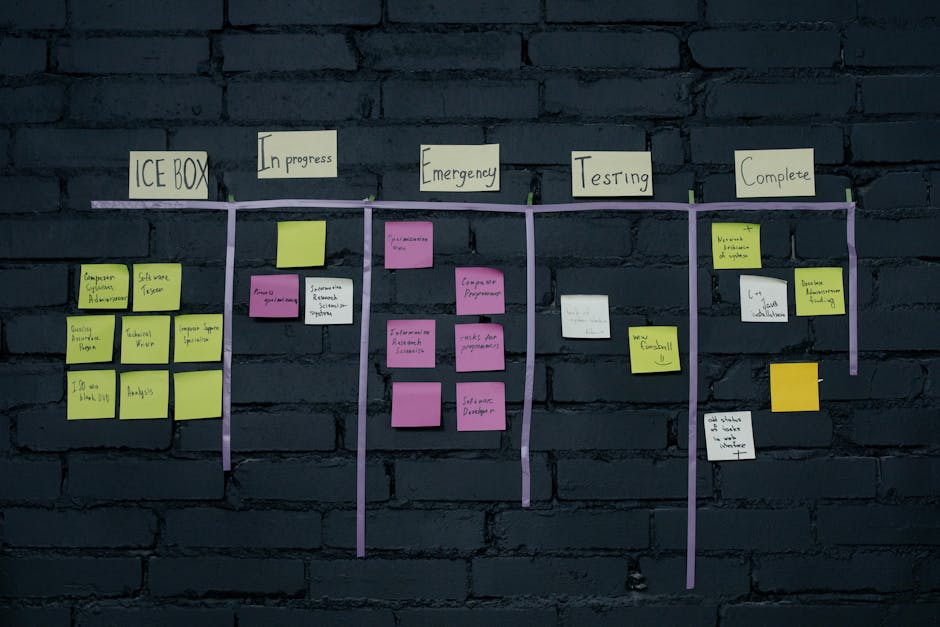
Project management is the backbone of successful initiatives across industries, providing the framework that transforms ideas into reality. Whether you’re a seasoned project manager or just starting, understanding the intricacies of project management can significantly enhance your ability to lead teams, manage risks, and deliver results. This article will guide you through the fundamental concepts, methodologies, and tools of project management, equipping you with the knowledge to navigate your projects with confidence and achieve your goals. Get ready to unlock the secrets of effective project management and elevate your projects to new heights!
What is Project Management and Why is it Important?
Project management is the discipline of planning, executing, and overseeing projects to achieve specific goals within a defined timeframe. It involves coordinating resources, managing risks, and ensuring that all aspects of the project are aligned with business objectives. But why is it so crucial in today’s fast-paced world?
Effective project management helps organizations deliver projects on time and within budget. It ensures that everyone involved understands their roles and responsibilities, which minimizes confusion and maximizes productivity. Think about it: without a structured approach, how can teams hope to meet their deadlines?
- Improves resource allocation
- Enhances communication among stakeholders
- Reduces risks and uncertainties
At its core, project management is about balancing the triple constraint: scope, time, and cost. Each of these elements influences the others, making it essential for project managers to navigate them skillfully. For instance, if the scope of a project expands, it often requires more time and resources.
In addition to the triple constraint, effective planning is vital. A well-thought-out project plan serves as a roadmap, guiding teams through the complexities of project execution. It outlines the project’s objectives, timelines, and deliverables, ensuring that everyone is on the same page.
| Element | Importance |
|---|---|
| Scope | Defines what is included in the project |
| Time | Establishes deadlines for deliverables |
| Cost | Estimates budget requirements |
Moreover, project management is essential for risk management. Identifying potential risks early allows teams to develop strategies to mitigate them. This proactive approach can save time and resources, making it a crucial part of the project management process.
In summary, project management is not just about completing tasks; it’s about creating a structured environment where projects can thrive. Whether it’s a small team or a large organization, the principles of project management can lead to successful outcomes. So, are you ready to embrace project management in your next endeavor?
Key Phases of Project Management Explained
Project management is a structured approach that helps ensure projects are completed successfully. Understanding the key phases of project management can make a significant difference in achieving desired outcomes.
The project management process typically unfolds in five essential phases: initiation, planning, execution, monitoring, and closure. Each phase plays a critical role in ensuring that the project meets its objectives.
1. Initiation: This is where it all begins. During this phase, the project’s feasibility is assessed. Key stakeholders identify the project’s goals, scope, and potential risks. Questions like “What do we want to achieve?” are pivotal here.
2. Planning: Once the project is initiated, detailed planning takes place. This phase involves defining the project scope, resources, timeline, and budget. A well-thought-out plan is crucial for guiding the project team throughout the process.
3. Execution: With a plan in hand, the execution phase kicks off. This is when actual work happens. Teams collaborate, tasks are assigned, and the project begins to take shape. Effective communication is key during this phase to keep everyone on track.
| Phase | Description |
|---|---|
| Initiation | Assess feasibility and define project goals. |
| Planning | Outline scope, resources, and timeline. |
| Execution | Implement the project plan and complete tasks. |
4. Monitoring: As the project progresses, monitoring is essential. This phase involves tracking project performance against the plan. Are deadlines being met? Are resources being used efficiently? Regular check-ins can help identify any risks or issues early on.
5. Closure: Finally, the project reaches its end. In the closure phase, the project team reviews the outcomes against the original goals. It’s a time for reflection and learning. What worked well? What could be improved for future projects?
- Initiation: Define project goals and feasibility.
- Planning: Create a detailed project plan.
- Execution: Carry out the project tasks.
- Monitoring: Track progress and make adjustments.
- Closure: Review and document lessons learned.
Understanding these phases is vital for anyone involved in project management. Each phase builds on the previous one, creating a comprehensive framework that guides teams from start to finish.
By mastering these key phases, you can enhance your ability to manage projects effectively, ensuring they are completed on time and within budget. After all, successful project management isn’t just about getting the work done-it’s about achieving the right results.
Different Types of Project Management Approaches
Project management is a diverse field with various approaches tailored to different types of projects. Understanding these methodologies can significantly enhance your planning and execution process. Let’s explore some of the most common project management approaches.
One of the most popular methods is the Waterfall approach. This linear model emphasizes a sequential design process. You complete each phase before moving on to the next, making it easy to manage scope and time.
However, is this approach always the best choice? Not necessarily. Waterfall works well for projects with clear, fixed requirements. But in dynamic environments, it can be limiting.
- Waterfall: Sequential phases, fixed requirements
- Agile: Iterative, flexible, and adaptive
- Scrum: A framework under Agile, focused on teamwork
Agile project management takes a different route. It’s all about flexibility and continuous improvement. Agile allows teams to adapt to changes during the development process. This is particularly useful in fast-paced industries.
One popular Agile framework is Scrum. In Scrum, work is divided into small, manageable units called sprints. Each sprint typically lasts two to four weeks, allowing teams to focus on delivering value incrementally.
| Approach | Key Features |
|---|---|
| Waterfall | Linear, sequential phases |
| Agile | Iterative, adaptive planning |
| Scrum | Time-boxed sprints, focus on collaboration |
Another approach worth mentioning is the Lean project management method. Lean focuses on maximizing value by eliminating waste. It emphasizes efficiency and aims to streamline processes. This can be particularly beneficial in manufacturing and business operations.
Last but not least, there’s the Critical Path Method (CPM). CPM is all about identifying essential tasks and their timelines. By analyzing the critical path, project managers can allocate resources more effectively and manage risks.
So, which project management approach should you choose? The answer often depends on your project’s specific needs. Consider factors like project scope, team size, and industry requirements. Each approach has its strengths and weaknesses, and understanding them can lead to more successful project outcomes.
In summary, whether you lean towards Agile, Waterfall, Lean, or CPM, the key is to remain flexible and responsive. Tailoring your project management strategy will help you navigate the complexities of any project.
The Role of a Project Manager in Successful Projects
In the world of project management, the project manager plays a pivotal role. They are the linchpin that holds all elements of a project together, ensuring that everything runs smoothly from start to finish. But what exactly does a project manager do?
At its core, project management involves planning, executing, and closing projects. A project manager is responsible for defining the project scope, setting timelines, and managing resources. They act as a bridge between stakeholders and the project team, facilitating communication and ensuring everyone is on the same page.
- Define project objectives
- Develop a project plan
- Monitor progress and performance
- Manage project risks
- Ensure stakeholder satisfaction
One of the key tasks of a project manager is effective planning. This involves not only outlining what needs to be done but also anticipating potential challenges. Have you ever thought about how much time can be saved by identifying risks early on? A well-prepared project manager can foresee potential pitfalls and devise strategies to mitigate them.
Additionally, managing the scope of a project is crucial. Scope creep-when the project’s requirements increase without proper control-can derail even the best-planned projects. A project manager must keep a vigilant eye on the project scope, ensuring that changes are documented and approved.
| Project Management Phases | Key Responsibilities |
|---|---|
| Initiation | Define project goals and scope |
| Planning | Develop detailed project plan |
| Execution | Coordinate team efforts and resources |
| Monitoring | Track progress and adjust plans |
| Closure | Evaluate project outcomes and document lessons learned |
Ultimately, a successful project hinges on effective communication. The project manager must ensure that all team members understand their roles and responsibilities. Regular meetings and updates can help keep everyone aligned and motivated.
Moreover, the ability to adapt is essential. Projects rarely go exactly as planned, and a project manager must be flexible enough to pivot when necessary. This adaptability ensures that the project stays on track, even when unexpected challenges arise.
- Foster teamwork and collaboration
- Communicate effectively with stakeholders
- Adapt to changing project conditions
- Evaluate performance and outcomes
In summary, the role of a project manager is multifaceted and integral to the success of any project. From planning to execution, they are responsible for guiding the team and managing risks. Their leadership can make all the difference in delivering projects on time and within budget.
So, whether you’re considering a career in project management or just curious about how projects succeed, understanding the project manager’s role is a great place to start!
Essential Project Management Tools and Software
In the world of project management, having the right tools can make all the difference. Whether you’re a seasoned professional or new to the field, understanding which tools to use is crucial for effective planning and execution.
Project management tools help streamline the process, making it easier to manage tasks, track progress, and collaborate with teams. But with so many options available, how do you choose the best ones for your needs?
- Task Management Software
- Collaboration Tools
- Time Tracking Applications
- Risk Management Tools
- Resource Allocation Software
First, let’s talk about task management software. This type of tool allows you to break down your projects into manageable tasks. You can assign these tasks to team members, set deadlines, and monitor progress. A popular choice is Trello, which uses boards and cards for an intuitive experience.
Next up are collaboration tools. In today’s remote work environment, effective communication is key. Tools like Slack or Microsoft Teams facilitate real-time discussions and file sharing, ensuring that everyone is on the same page.
| Tool | Purpose |
|---|---|
| Trello | Task Management |
| Slack | Team Communication |
| Asana | Project Tracking |
Time tracking applications are also essential in project management. They help you keep tabs on how much time is spent on various tasks. This data is invaluable for future planning and helps in understanding where resources are being allocated.
Don’t overlook risk management tools either. Identifying potential risks early in the project can save you from major headaches down the line. Tools like RiskWatch assist in assessing and mitigating risks effectively.
- Jira for Agile Project Management
- Basecamp for Simple Project Oversight
- Smartsheet for Advanced Planning
Finally, consider tools that specialize in resource allocation. These platforms help you manage your team’s workload effectively, ensuring that no one is overburdened. A well-balanced team is critical for the success of any project.
In conclusion, the right project management tools can transform how you handle projects. They not only streamline processes but also enhance communication and collaboration among team members. So, what tools will you implement in your next project?
Understanding Project Lifecycle and Processes
Every successful project starts with a clear understanding of its lifecycle and processes. This is crucial in project management, as it helps ensure that everything runs smoothly from initiation to completion.
The project lifecycle consists of several key phases: initiation, planning, execution, monitoring, and closure. Each phase plays a vital role in managing the project effectively.
- Initiation: Defining the project scope and objectives.
- Planning: Developing a roadmap for how to achieve the goals.
- Execution: Implementing the project plan.
- Monitoring: Tracking progress and performance.
- Closure: Finalizing all activities and closing the project.
During the initiation phase, it’s important to identify stakeholders and gather their requirements. This ensures that the project aligns with business goals and addresses the needs of everyone involved.
Next comes planning, where you’ll create a detailed project management plan. This includes defining the project scope, timelines, resources, and budget. How can you set your team up for success without a solid plan?
| Phase | Key Activities |
|---|---|
| Initiation | Define scope, identify stakeholders |
| Planning | Create project plan, set timelines |
| Execution | Implement tasks, manage resources |
| Monitoring | Track progress, adjust plans |
| Closure | Finalize deliverables, close project |
After planning, the execution phase kicks in. Here, the project team carries out the tasks outlined in the plan. Effective communication and collaboration are essential during this stage to keep everyone on track.
Monitoring the project is just as important as executing it. Regularly checking in on progress helps identify any risks or issues early on. If something isn’t going according to plan, adjustments can be made to stay aligned with the project goals.
- Regular status updates: Keep the team informed.
- Risk management: Identify potential problems early.
- Performance metrics: Measure success against goals.
Finally, when all tasks are completed, it’s time for closure. This involves finalizing all project activities, delivering the final product, and conducting a project review. Reflecting on what went well and what could be improved is crucial for future projects.
Understanding these phases and processes in project management is key. It not only helps in delivering projects successfully but also enhances overall efficiency and effectiveness in achieving business objectives.
How to Create an Effective Work Breakdown Structure
Creating a Work Breakdown Structure (WBS) is a vital step in project management. It helps break down a project into manageable sections. This way, you can see the scope of the work involved.
A well-structured WBS provides clarity and focus. It allows team members to understand their roles and responsibilities. So, how do you get started?
First, define the project’s overall goal. What is the final outcome you want to achieve? This clarity is essential for effective planning.
Next, identify the major deliverables. These are the key components that will lead you to your project’s goal. Think of them as the main chapters in a book.
- Define project objectives
- Identify major deliverables
- Break down deliverables into smaller tasks
Once you have your deliverables, break them down into smaller, actionable tasks. This process is crucial for managing time effectively. Each task should be specific and measurable.
Now, let’s talk about the importance of hierarchy in a WBS. Organizing tasks in a structured format helps visualize the project flow. You can use a tree structure or a simple list.
| Level | Description |
|---|---|
| 1 | Project Name |
| 2 | Major Deliverables |
| 3 | Sub-tasks |
As you develop your WBS, consider potential risks. Identifying risks early helps in mitigating them during the project lifecycle.
Also, don’t forget to involve your team in this process. Collaboration can lead to better insights and a more comprehensive understanding of the project’s scope.
After you create the WBS, review it regularly. This allows you to track progress and make adjustments as needed.
Using project management tools can simplify this process. Many tools offer templates for WBS that can save you time.
Remember, an effective WBS is not just about listing tasks. It’s about creating a clear roadmap that guides your team through the project.
In conclusion, a well-structured Work Breakdown Structure is essential for successful project management. It enhances communication, clarifies expectations, and ultimately contributes to project success.
Risk Management Strategies in Project Management
Effective risk management is a cornerstone of successful project management. It involves identifying, assessing, and prioritizing risks to minimize their impact on projects. But how do you actually implement these strategies?
First, it’s essential to establish a risk management plan. This plan should outline how risks will be identified, analyzed, and responded to throughout the project lifecycle. By doing so, you set a clear framework for your team to follow.
- Identify potential risks early in the project.
- Analyze the likelihood and impact of each risk.
- Develop response strategies before risks become issues.
Next, consider using a risk register. This is a tool that helps track identified risks, their status, and the actions taken to mitigate them. Think of it as a living document that evolves with your project.
In addition to tracking risks, regular risk assessments are crucial. This involves revisiting the risk register and updating it based on new information or changes in the project scope. When was the last time you reviewed your risk management strategies?
| Risk Assessment Steps | Description |
|---|---|
| Identify Risks | List potential risks that could affect the project. |
| Analyze Risks | Evaluate the likelihood and impact of each risk. |
| Develop Responses | Create strategies to mitigate or avoid risks. |
Another effective strategy is to involve your team in the risk management process. Encourage open communication about potential risks. This not only helps in identifying risks early but also fosters a culture of accountability.
Training sessions can also be beneficial. Equip your team with the skills needed to recognize and respond to risks. After all, a well-informed team is your best defense against project setbacks.
- Conduct regular training on risk management.
- Foster a culture of transparency and accountability.
- Encourage team members to share their insights.
Finally, don’t forget to document lessons learned. After each project, review what went well and what didn’t regarding risk management. This reflection can provide valuable insights for future projects.
In conclusion, effective risk management in project management is about preparation and adaptability. By implementing these strategies, you can significantly enhance your project’s chances of success.
Common Challenges in Project Management and Solutions
Project management can often feel like a juggling act. With numerous moving parts, it’s not uncommon to encounter challenges that can derail even the best-laid plans.
One of the primary challenges in project management is scope creep. This occurs when additional features or tasks are added to a project without proper evaluation or adjustment to the timeline and resources.
- Define clear project goals.
- Engage stakeholders early and often.
- Regularly review and adjust the project scope.
Another common issue is time management. Projects often fall behind schedule due to poor planning or unexpected delays. Without a solid timeline, it’s easy to lose track of deadlines.
To combat this, consider using project management tools that allow for better planning and tracking of tasks. These tools help visualize the workflow and can alert teams to potential delays.
| Time Management Strategies | Benefits |
|---|---|
| Gantt Charts | Visualize project timelines |
| Time Blocking | Focus on specific tasks |
Risk management is another critical area. Every project has risks, whether they are financial, technical, or operational. Identifying these risks early can make a significant difference.
Regular risk assessments and having a contingency plan can mitigate many issues before they arise. It’s about being proactive rather than reactive.
- Conduct regular risk assessments.
- Develop a risk management plan.
- Communicate risks with the team.
Finally, communication within the team is paramount. Miscommunication can lead to misunderstandings, wasted resources, and missed deadlines. Establishing clear channels of communication can help keep everyone aligned.
Consider regular check-ins and updates as part of the project management process. They can help clarify roles and responsibilities, ensuring that everyone is on the same page.
| Effective Communication Methods | Use Cases |
|---|---|
| Daily Stand-ups | Quick updates on progress |
| Project Management Software | Centralized information sharing |
Best Practices for Project Planning and Execution
Effective project management hinges on thorough planning and execution. To set your projects up for success, consider these best practices.
First, define the scope of your project clearly. What are the goals? Who are the stakeholders? Understanding these elements will help you manage expectations throughout the process.
- Identify key stakeholders early.
- Set clear objectives and deliverables.
- Communicate openly with your team.
Next, develop a detailed project plan. This should include timelines, resource allocation, and risk management strategies. Have you considered potential obstacles that might arise?
Utilize tools like Gantt charts or Kanban boards to visualize progress. These tools can be invaluable in keeping everyone on the same page.
| Best Practice | Description |
|---|---|
| Clear Scope Definition | Establishing what the project will and won’t include. |
| Risk Management | Identifying and planning for potential problems. |
Finally, monitor and adjust your project as necessary. Regular check-ins can help you stay on track and adapt to any changes. Remember, flexibility is key in project management.
By following these best practices, you can enhance your project planning and execution, leading to more successful outcomes.
In conclusion, effective project management is not just a set of tools or methodologies; it is a holistic approach that integrates various aspects of planning, execution, and monitoring to ensure project success. By embracing the principles of project management, teams can navigate the complexities of modern projects, adapt to changing circumstances, and deliver results that meet or exceed stakeholder expectations. From the initial project charter to the final delivery and evaluation, every phase of the project lifecycle benefits from clear communication, defined roles, and strategic planning. As organizations continue to evolve and face new challenges, the importance of strong project management skills becomes increasingly apparent. Investing in training and development, adopting the right software tools, and fostering a culture of collaboration can significantly enhance project outcomes. Ultimately, the ability to manage projects effectively not only contributes to the success of individual initiatives but also drives overall business growth and innovation. As you apply the insights and strategies discussed in this article, remember that successful project management is an ongoing journey that requires continuous learning and adaptation. By prioritizing project management best practices, you position yourself and your team to tackle any challenge with confidence and achieve remarkable results.
Leave a Reply