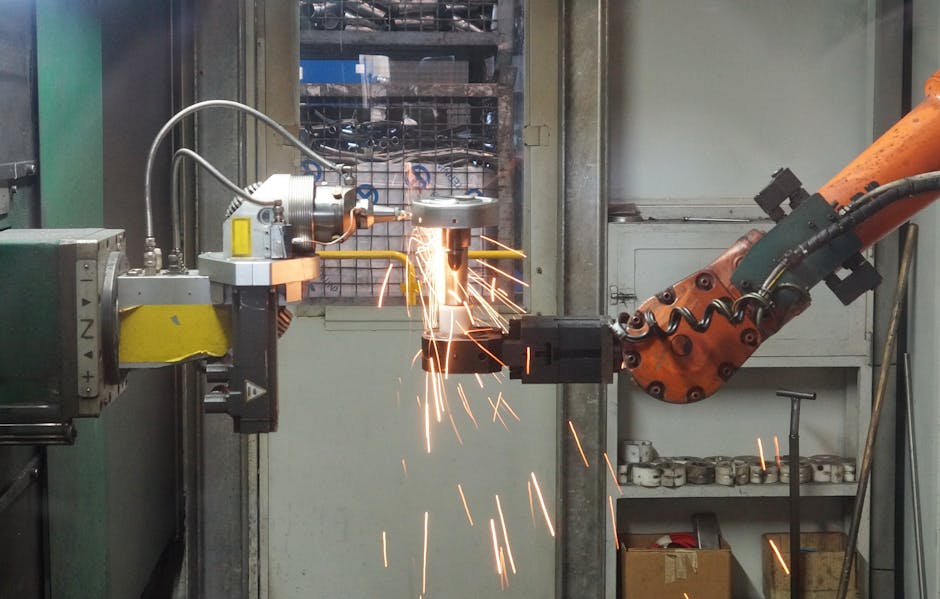
In today’s fast-paced industrial landscape, the need for efficiency, precision, and adaptability has never been more critical. Industrial automation stands at the forefront of this evolution, revolutionizing how businesses operate by integrating advanced technologies to streamline production and enhance quality. This article will explore what industrial automation is, its key components, and why it is essential for companies aiming to stay competitive. By understanding the mechanics and benefits of industrial automation, you can unlock new levels of productivity and innovation in your operations.
What is Industrial Automation?
Industrial automation refers to the use of control systems for operating equipment in various industries. This includes machinery, processes in factories, boilers, and heat treating ovens, switching on telephone networks, steering, and stabilization of ships, aircraft, and other applications.
At its core, industrial automation aims to enhance productivity and efficiency through the integration of technology. Imagine a factory where machines operate with minimal human intervention-this is the essence of automation in an industrial context.
The key components of industrial automation are control systems and software. These systems allow for the monitoring and control of production processes. They help in reducing human error, increasing safety, and optimizing the use of resources.
Some common types of systems used in industrial automation include:
- Programmable Logic Controllers (PLCs)
- Supervisory Control and Data Acquisition (SCADA) systems
- Industrial robots
With these systems in place, industries can achieve higher levels of efficiency. But how exactly does industrial automation impact production?
Automation leads to faster production rates and improved quality. When machines take over repetitive tasks, workers can focus on more complex responsibilities. This transition not only boosts output but also enhances job satisfaction among employees.
In addition to efficiency, industrial automation solutions contribute to cost savings. By minimizing waste and optimizing energy use, companies can significantly reduce operational expenses.
To give you a clearer picture, here’s a simple comparison of traditional manufacturing versus automated systems:
| Aspect | Traditional Manufacturing | Automated Systems |
|---|---|---|
| Production Speed | Slower, manual processes | Faster, machine-driven processes |
| Quality Control | Human oversight | Consistent, precise measurements |
| Cost Efficiency | Higher labor costs | Reduced operational costs |
So, is industrial automation the future of manufacturing? Yes, it certainly seems to be paving the way. Companies that adopt these technologies are not only staying competitive but also setting new standards for productivity and quality.
In conclusion, industrial automation is a transformative force in manufacturing and production. It enhances efficiency, reduces costs, and improves overall quality. As technology continues to evolve, the potential for industrial automation will only grow, making it an essential aspect of modern industry.
Importance of Industrial Automation in Modern Manufacturing
Industrial automation is reshaping the landscape of modern manufacturing. By integrating advanced technologies and systems, businesses are able to enhance productivity, reduce costs, and improve quality.
But what exactly does this mean for manufacturers? Essentially, it allows for the optimization of production processes through the use of automated equipment and control systems.
One of the key benefits of industrial automation is its ability to streamline operations. When tasks are automated, the likelihood of human error decreases significantly. This leads to more consistent product quality and greater operational efficiency.
- Increased production speed
- Improved safety standards
- Better resource management
Moreover, automation enables manufacturers to respond swiftly to market demands. With automated systems, adjustments can be made quickly, allowing for greater flexibility in production schedules.
Imagine being able to scale your production up or down without the usual delays. That’s the power of industrial automation in action!
Another important factor is the cost savings associated with automation. While the initial investment in industrial automation solutions may be significant, the long-term savings are undeniable.
| Cost Factor | Impact of Automation |
|---|---|
| Labor Costs | Reduction through automated systems |
| Material Waste | Minimized with precise control |
| Production Downtime | Reduced through efficient systems |
As a result, many industries are adopting automation technologies to stay competitive. It’s not just about keeping pace; it’s about leading the way.
In addition to cost savings, industrial automation enhances safety. By taking over dangerous tasks, automation protects workers and reduces the risk of workplace accidents.
So, how do businesses implement these automation systems? It often starts with a thorough assessment of current processes to identify areas for improvement.
- Evaluate existing workflows
- Identify potential automation solutions
- Invest in the right equipment and training
In conclusion, the importance of industrial automation in modern manufacturing cannot be overstated. It offers solutions that not only enhance efficiency but also drive innovation.
As industries continue to evolve, embracing industrial automation will be crucial for long-term success. Are you ready to take the leap?
How Industrial Automation Works: A Comprehensive Guide
Industrial automation refers to the use of control systems for operating equipment in various industries. This includes machinery, processes in factories, boilers, and heat treating ovens, switching on telephone networks, steering and stabilization of ships, aircraft, and other applications.
At its core, industrial automation enhances production efficiency and reduces human intervention. But how does it actually work?
To understand industrial automation, we need to explore its key components. These include sensors, control systems, and actuators.
– Sensors: These devices gather data from the environment. They monitor variables such as temperature, pressure, and flow.
– Control Systems: This is where the magic happens. Control systems process the data from sensors and make decisions. They can be simple relay systems or complex programmable logic controllers (PLCs).
– Actuators: Once the control system makes a decision, actuators carry out the actions. They might open a valve, start a motor, or adjust a conveyor belt.
| Component | Function |
|---|---|
| Sensors | Gather data from the environment |
| Control Systems | Process data and make decisions |
| Actuators | Carry out actions based on decisions |
So, why is industrial automation important? Well, it leads to improved productivity, consistency, and safety. By automating repetitive tasks, companies can focus on more critical aspects of their operations.
Moreover, automation reduces the risk of human error. In the manufacturing sector, for instance, precision is key. Automated systems can perform tasks with a level of accuracy that humans may not consistently achieve.
You might wonder how these systems are implemented in real-world scenarios. Typically, the process begins with a thorough analysis of existing workflows.
From there, tailored automation solutions are designed. This might involve integrating new equipment with existing systems or even overhauling entire production lines.
Here’s a quick overview of the implementation process:
- Assessment of current operations
- Designing automation solutions
- Integration of systems and equipment
- Testing and optimization
- Ongoing maintenance and upgrades
In conclusion, industrial automation is a powerful tool that can transform operations. By understanding its components and benefits, businesses can harness its potential to stay competitive in today’s market.
As industries continue to evolve, embracing automation is not just a trend; it’s a necessity for future growth.
Key Components of Industrial Automation Systems
Industrial automation refers to the use of control systems for operating equipment in various industries. This includes machinery, processes in factories, boilers, and heat treating ovens, switching on telephone networks, and other applications that require minimal human intervention.
At the core of industrial automation systems are several key components. Understanding these components helps in grasping how automated systems enhance efficiency and productivity in manufacturing.
First, we have the sensors. These devices gather data from the environment, such as temperature, pressure, or flow rate. They play a crucial role in monitoring the conditions of the production process.
Next, actuators take the signals from the control systems and convert them into physical actions. Whether it’s opening a valve or moving a robotic arm, actuators are essential for translating commands into real-world actions.
- Sensors: Gather real-time data.
- Actuators: Perform physical actions based on control signals.
- Controllers: Manage operations and decision-making.
Another vital component is the controller. Industrial automation systems often use Programmable Logic Controllers (PLCs) or Distributed Control Systems (DCS) to manage operations. These controllers process data from sensors and execute commands to actuators.
Human-Machine Interfaces (HMIs) also play a significant role. They allow operators to interact with the automation system. Through HMIs, users can monitor system performance, adjust settings, and diagnose issues.
| Component | Function |
|---|---|
| Sensors | Collect environmental data |
| Actuators | Execute physical actions |
| Controllers | Manage operations |
| HMIs | User interface for monitoring |
Lastly, let’s not forget about communication networks. These networks connect all components of the system, ensuring they can share data and commands efficiently. In an industrial setting, reliable communication is critical for maintaining smooth operations.
In summary, the key components of industrial automation systems-sensors, actuators, controllers, HMIs, and communication networks-work in harmony to create efficient, reliable, and scalable solutions for modern manufacturing.
Isn’t it fascinating how each part plays a role in the bigger picture of industrial automation? Understanding these components not only helps in troubleshooting but also in optimizing systems for better performance.
With the right knowledge, industries can harness the full potential of automation, boosting productivity and enhancing operational efficiency.
Types of Industrial Automation Solutions Explained
Industrial automation encompasses a variety of solutions designed to improve efficiency, reduce human intervention, and enhance productivity in manufacturing and production processes. Understanding these solutions can be vital for businesses looking to stay competitive in today’s fast-paced market.
At its core, industrial automation can be categorized into several types: fixed, programmable, and flexible automation. Each type serves different needs based on the scale and nature of the production process.
- Fixed Automation: Best for high-volume production with a fixed sequence of operations.
- Programmable Automation: Ideal for batch production where equipment can be reprogrammed for different tasks.
- Flexible Automation: Suited for environments with varying production requirements, allowing quick changes to the system.
Fixed automation is often seen in assembly lines where a specific task is performed repeatedly. This type of automation is efficient for mass production but lacks flexibility.
On the other hand, programmable automation allows for changes in the production process. It’s useful when companies need to switch between different products without significant downtime.
Have you ever wondered how companies manage to stay agile? This is where flexible automation shines.
Flexible automation systems can quickly adapt to new products or changes in production volume. This adaptability is crucial in industries where consumer demand fluctuates rapidly.
Now, let’s dive a bit deeper into the components that make up these automation systems.
| Component | Description |
|---|---|
| Sensors | Devices that collect data from the environment. |
| Controllers | Systems that process sensor data and execute control commands. |
| Actuators | Components that perform actions based on control signals. |
These components work in harmony to create an effective industrial automation solution. Sensors gather data about the production environment, while controllers make decisions based on that data. Actuators then carry out the actions needed to maintain or adjust the process.
Another important aspect of industrial automation is the software that drives these systems. Automation software allows for centralized control and monitoring of equipment.
This software can be integrated with existing systems, enhancing the overall efficiency of operations.
So, what are the benefits of implementing industrial automation solutions?
- Increased productivity and efficiency
- Reduced operational costs
- Enhanced quality control
- Improved safety for workers
By understanding the various types of industrial automation solutions available, businesses can make informed decisions that align with their production goals. Each solution offers unique advantages that can lead to significant improvements in operational performance.
Examples of Industrial Automation in Action
Industrial automation is transforming how industries operate. From manufacturing to logistics, automation systems are streamlining processes and enhancing efficiency. But what does this look like in practice?
One of the most common examples of industrial automation is in assembly lines. In automotive manufacturing, robotic arms are utilized to assemble parts with precision. These systems not only speed up production but also reduce human error.
- Robotic assembly in automotive factories
- Automated quality control systems
- Material handling robots in warehouses
Another great example is in food processing. Automated systems control the mixing, cooking, and packaging of food products. This ensures consistency and safety, which are crucial in the food industry. Have you ever wondered how those cookies are made so perfectly every time? Automation plays a big role!
In pharmaceuticals, industrial automation helps in the production of medicines. Automated systems manage the precise mixing of ingredients and packaging. This not only speeds up the production but also adheres to strict regulatory standards.
| Industry | Automation Application |
|---|---|
| Automotive | Robotic assembly lines |
| Food Processing | Automated cooking and packaging |
| Pharmaceuticals | Ingredient mixing and packaging |
Next, let’s look at logistics. Automated guided vehicles (AGVs) are increasingly used in warehouses to transport goods. These systems can navigate through complex environments, making them invaluable for large-scale operations.
In the energy sector, industrial automation helps in monitoring and controlling power plants. Automation systems can optimize energy production and distribution, leading to reduced costs and improved reliability. Isn’t it amazing how technology can enhance sustainability?
- Automated guided vehicles in warehouses
- Energy management systems in power plants
- Smart grids for efficient energy distribution
In summary, industrial automation is present in various sectors, driving efficiency and consistency. These systems not only improve production rates but also enhance safety and quality. With the ongoing advancements in technology, the future of industrial automation looks promising.
So, what are you waiting for? Embracing these automation solutions can significantly impact your operations.
Advantages of Implementing Industrial Automation
Industrial automation is transforming the manufacturing landscape. By integrating advanced systems, businesses can enhance efficiency and reduce costs. But what exactly are the benefits of adopting these automated solutions?
One primary advantage is increased productivity. Automation allows for continuous operation without the need for breaks. This means that production lines can run longer and more efficiently, leading to higher output.
Additionally, automation enhances precision. Automated systems can perform tasks with remarkable consistency, reducing the risk of human error. This is crucial in industries where accuracy is paramount.
- Higher efficiency
- Reduced labor costs
- Improved safety
Another significant benefit is the ability to gather and analyze data effectively. With automation, companies can monitor their operations in real-time. This data-driven approach enables better decision-making and optimization of processes.
Have you ever wondered how much downtime costs your business? With industrial automation, you can minimize unexpected halts in production. Automated systems can quickly identify issues and even self-correct in many cases.
| Benefit | Impact |
|---|---|
| Cost Reduction | Lower operational expenses |
| Quality Control | Consistent product quality |
| Scalability | Easier to scale operations |
Moreover, implementing industrial automation can lead to improved safety. Automated equipment can handle hazardous tasks, reducing the risk of workplace accidents.
In conclusion, the advantages of industrial automation are compelling. From boosting productivity to enhancing safety, the benefits are numerous. Isn’t it time to consider how automation can transform your operations?
In conclusion, the landscape of industrial automation is rapidly evolving, driven by advancements in technology and a growing demand for efficiency, productivity, and safety across various sectors. As businesses increasingly recognize the potential of automation, they are investing in innovative solutions that not only streamline operations but also enhance the quality of their products and services. The integration of artificial intelligence, machine learning, and the Internet of Things is revolutionizing how industries operate, enabling real-time data analysis and decision-making that were previously unimaginable.
The benefits of industrial automation extend beyond mere cost savings; they encompass improved workplace safety, reduced downtime, and the ability to scale operations efficiently. As companies adopt automation, they are also able to focus more on strategic initiatives and innovation, fostering a culture of continuous improvement that can lead to sustainable growth. Moreover, the shift towards automation is creating new job opportunities in areas such as system design, maintenance, and data analysis, demonstrating that while some roles may be displaced, new ones are emerging that require advanced skills and expertise.
As we look to the future, it is clear that industrial automation will play a pivotal role in shaping industries around the globe. Companies must stay ahead of the curve by embracing these technologies and adapting to the changing landscape. This means not only investing in the latest tools and systems but also fostering a workforce that is equipped to leverage these advancements. Training and development will be essential in ensuring that employees are ready to meet the challenges of an automated environment, promoting a seamless transition that maximizes the benefits of this technological revolution.
Ultimately, the journey towards comprehensive industrial automation is not just about implementing new technologies; it’s about transforming an organization’s culture and mindset towards innovation and efficiency. By understanding the intricacies of automation and its potential impact, businesses can position themselves as leaders in their respective industries, ready to harness the full power of industrial automation to drive success and create lasting value. As we move forward, it will be exciting to witness the innovations that emerge from this dynamic field, reshaping the future of work and industry as we know it.
Leave a Reply