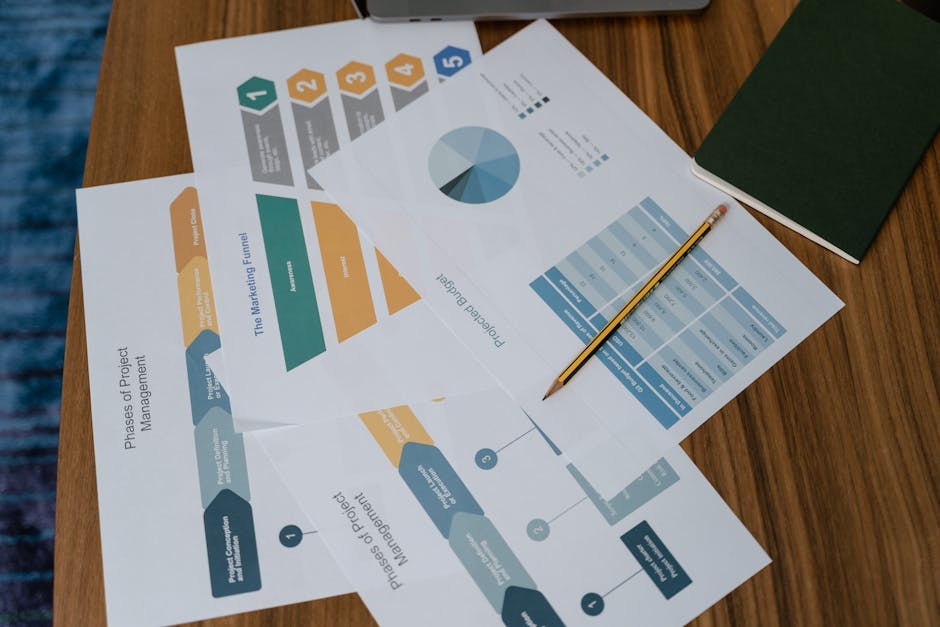
Every entrepreneur knows the frustration of hitting roadblocks that stall progress and drain resources. Bottlenecks in business can hinder growth, reduce efficiency, and ultimately impact your bottom line. In this article, we will delve into the most common bottlenecks that businesses face, providing actionable insights on how to identify, address, and prevent these issues. By understanding and overcoming these obstacles, you can streamline your operations and drive your business toward success. Get ready to transform your challenges into opportunities for growth.
What Is a Bottleneck in Business?
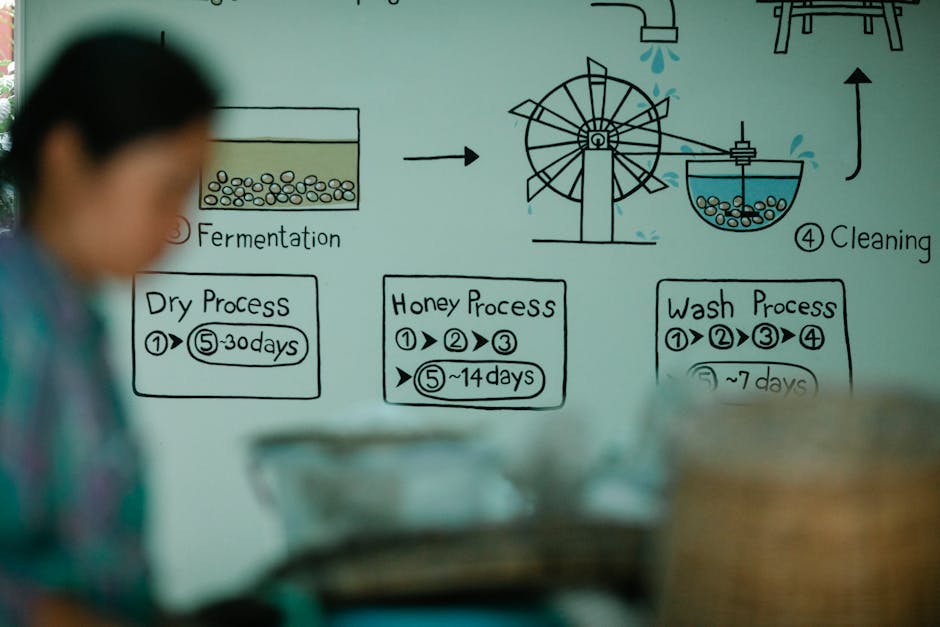
A bottleneck in business refers to a point in a process where the flow of operations slows down or becomes obstructed. This can happen for various reasons, often leading to delays and inefficiencies within a team. Identifying and addressing these bottlenecks is crucial for optimizing business processes.
Think about it: when a single aspect of your workflow is hindered, it can cause a ripple effect throughout the entire organization. If one team member is overloaded, for example, it can stall the work of others who depend on them.
- Increased lead times
- Higher operational costs
- Reduced overall productivity
In essence, a bottleneck is any factor that limits the speed or capacity of a business process. It could be a slow approval process, outdated technology, or insufficient staffing. Understanding what constitutes a bottleneck is essential for any business aiming to improve efficiency.
For instance, you might find that your marketing efforts are hampered by a lack of resources. This is a classic bottleneck that can prevent your business from reaching its full potential. Recognizing these issues early on can save you valuable time and money.
| Common Bottlenecks | Impact on Business |
|---|---|
| Inefficient processes | Delays in project completion |
| Limited team capacity | Reduced output quality |
To effectively tackle bottlenecks, it’s essential to analyze your business processes regularly. Look for patterns and areas where work tends to pile up. This could involve gathering feedback from your team or using project management tools to track progress.
Another important aspect is prioritizing tasks. When teams focus on high-impact activities, they can often alleviate some of the pressure that leads to bottlenecks. It’s about working smarter, not harder.
- Regular process reviews
- Team feedback sessions
- Utilizing technology effectively
Ultimately, addressing bottlenecks in business is not a one-time fix. It requires ongoing attention and adaptability. As your business evolves, so will your processes, and new bottlenecks may emerge. Being proactive in identifying these will set your team up for long-term success.

So, the next time you notice a slowdown in your operations, ask yourself: what could be causing this bottleneck? By taking the time to investigate, you can streamline your processes and enhance overall productivity.
Understanding Different Types of Bottlenecks
Bottlenecks in business can take many forms. They often occur when a specific process slows down the overall workflow. Recognizing these bottlenecks is crucial for any team aiming to enhance efficiency and productivity.
One common type of bottleneck is related to time. For instance, if a team spends too long on approvals, it can delay subsequent tasks. This not only affects the immediate work but also impacts the entire business process.
Another frequent bottleneck occurs in resource allocation. When a team lacks the necessary tools or personnel, it can halt progress. This type of bottleneck can be particularly frustrating, as it often feels like the team is ready to move forward but is held back by external factors.
- Time-related bottlenecks
- Resource allocation issues
- Communication breakdowns
- Process inefficiencies
Identifying these bottlenecks is the first step toward improvement. Once recognized, teams can implement strategies to address them. For example, streamlining communication can help alleviate delays caused by misunderstandings.
On the other hand, some bottlenecks are inherent to the business processes themselves. These can include outdated systems or overly complex workflows. Simplifying these processes can make a significant difference in overall efficiency.
| Type of Bottleneck | Impact on Business |
|---|---|
| Time-related | Delays in project timelines |
| Resource allocation | Inability to meet demand |
| Communication | Misalignment in team goals |
For businesses, addressing these bottlenecks is not just about improving efficiency; it’s about creating a more agile and responsive team. But how do you know which bottleneck to tackle first?
A good strategy is to prioritize based on impact. If a bottleneck is causing the most disruption, it should be the first to address. This way, you can create a ripple effect of improvements across various processes.
Moreover, regular reviews of your business processes can help in identifying new bottlenecks as they arise. Engaging the team in this process can provide valuable insights.
In conclusion, understanding the different types of bottlenecks in business is essential. By recognizing and addressing these issues, teams can enhance productivity and streamline their processes. Remember, the goal is not just to eliminate bottlenecks but to foster a culture of continuous improvement.
So, what bottlenecks are holding your team back today?
Common Bottlenecks That Keep Your Business from Growing

Every business faces challenges, but some bottlenecks can significantly hinder growth. Understanding these bottlenecks is crucial for any team looking to improve their processes and increase efficiency.
One common bottleneck is poor communication within a team. When team members don’t share information effectively, it can lead to misunderstandings and delays. Have you ever wondered how much time is wasted due to unclear messages?
- Misalignment of goals
- Delayed responses
- Increased frustration among team members
Another area to consider is the decision-making process. If decisions are not made quickly or are often revisited, it creates a bottleneck that can stall progress. In today’s fast-paced business environment, the need for timely decisions is more critical than ever.
Additionally, outdated technology can create significant bottlenecks. If your business relies on slow or inefficient systems, it can affect every aspect of your operations. Think about how much time your team spends on tasks that could be streamlined with better tools.
| Bottleneck Type | Impact on Business |
|---|---|
| Poor Communication | Delays and misunderstandings |
| Slow Decision-Making | Stalled progress |
| Outdated Technology | Inefficiency and wasted time |
Another bottleneck that businesses often overlook is the lack of a clear marketing strategy. Without a defined marketing process, it’s easy to waste time and resources on ineffective campaigns. Your team needs to understand not just what to do, but why it matters.
Additionally, employee burnout can become a bottleneck. When team members are overwhelmed, their productivity decreases. It’s essential for businesses to recognize the signs of burnout and take proactive steps to support their teams.
- Unclear marketing objectives
- Overworked employees
- High turnover rates

Finally, don’t underestimate the impact of customer feedback. If your business fails to adapt based on customer insights, it can create a bottleneck in growth. Listening to your customers is not just good practice; it’s a necessity for long-term success.
In summary, identifying and addressing bottlenecks in business operations is vital. By focusing on communication, decision-making, technology, marketing strategies, and employee well-being, your team can create a more efficient work environment.
Remember, every bottleneck presents an opportunity for improvement. Are you ready to tackle yours?
How to Identify Bottlenecks in Your Business Process
Identifying bottlenecks in your business process is crucial for improving efficiency. A bottleneck can slow down workflow, increase costs, and frustrate your team. The first step is to understand where these issues are occurring.
Start by mapping out your current processes. Visualizing each step can help you see potential problem areas. Are there stages where work piles up? Maybe certain tasks take longer than expected?
Here are some common signs of bottlenecks:
- Increased turnaround times
- Frequent delays in project completion
- Overworked team members
- Customer complaints about service delays
Once you’ve identified potential bottlenecks, gather data to analyze them. Look at metrics like time spent on each task and the volume of work at each stage. This quantitative approach can reveal where the real issues lie.
Consider conducting team interviews as well. Your team members can provide insights into daily challenges. They might point out specific processes that are causing frustration or delays.
| Process Stage | Potential Bottleneck |
|---|---|
| Lead Generation | Slow response times |
| Sales Process | Lengthy approval times |
Identifying bottlenecks isn’t just about finding problems; it’s about creating solutions. After analyzing the data, brainstorm potential improvements. Could automation help? Would reallocating resources ease the workload?
Additionally, consider implementing regular reviews of your processes. This proactive approach can help catch bottlenecks before they become significant issues.
Ultimately, the goal is to streamline your business processes. By identifying and addressing bottlenecks, you can enhance efficiency and improve team morale.
Remember, a smooth workflow not only benefits your team but also enhances customer satisfaction. After all, happy customers are the backbone of any successful business.
So, are you ready to tackle those bottlenecks head-on?
Long-term vs. Short-term Bottlenecks Explained

Bottlenecks in business can be categorized into two main types: long-term and short-term. Understanding the difference is crucial for any team aiming to optimize their processes.
Short-term bottlenecks often arise unexpectedly, disrupting the flow of work. These could be due to sudden changes in demand, resource availability, or even team dynamics. When a bottleneck occurs, it can cause delays that ripple through the entire process.
- Examples of short-term bottlenecks:
- Staff shortages during peak times
- Technical issues with software
- Supply chain disruptions
On the other hand, long-term bottlenecks are usually systemic issues that have been present for a while. These might relate to outdated processes, inefficient workflows, or even a lack of proper training within the team. Identifying these bottlenecks requires a deeper analysis of your business operations.
Why should you care about long-term bottlenecks? They can significantly hinder growth and innovation. If your business is constantly facing the same obstacles, it’s time to rethink your strategies.
| Type of Bottleneck | Characteristics |
|---|---|
| Short-term | Unexpected, immediate impact |
| Long-term | Systemic, ongoing issues |
Addressing both types of bottlenecks requires different approaches. For short-term issues, quick fixes and agile responses are essential. This might involve reallocating resources or implementing temporary solutions.
In contrast, tackling long-term bottlenecks often demands a strategic overhaul. This could mean investing in new technology, revising processes, or even retraining your team to ensure everyone is aligned with the current goals.
- Strategies for overcoming bottlenecks:
- Regular process reviews
- Training and development programs
- Utilizing technology for efficiency
Ultimately, understanding the nuances of bottlenecks in business can empower your team to make informed decisions. Whether you’re dealing with a short-term hiccup or a long-standing issue, knowing the type of bottleneck you’re facing is the first step toward effective resolution.
So, what’s holding your business back? Identifying these bottlenecks can lead to improved processes and a more streamlined workflow.
Why Identifying Bottlenecks is Crucial for Growth
Identifying bottlenecks in business processes is essential for sustainable growth. When a bottleneck occurs, it can slow down productivity, hinder team performance, and ultimately affect your bottom line. Recognizing these obstacles early allows businesses to address them effectively.
Bottlenecks can manifest in various ways-whether it’s a slow approval process, inefficient marketing strategies, or a lagging sales funnel. The key is to pinpoint where these bottlenecks are happening.
- Improves overall efficiency
- Enhances team collaboration
- Boosts customer satisfaction
Understanding the term “bottleneck” is crucial. It refers to any point in a process that constrains the overall flow of work. Imagine a traffic jam; one slow-moving vehicle can delay the entire line. In business, this can mean missed deadlines and lost revenue.
So, how can you identify these bottlenecks? Start by analyzing your current processes. Look for areas where work tends to pile up or where team members express frustration.
| Common Bottlenecks | Impact on Business |
|---|---|
| Slow decision-making | Delays project timelines |
| Inadequate resources | Limits team productivity |
| Poor communication | Creates misunderstandings |
Once you’ve identified bottlenecks, the next step is to address them. This might involve streamlining processes, reallocating resources, or improving team communication.
Think about your own business-how often do you find yourself asking, “Why is this taking so long?” Addressing bottlenecks not only saves time but also enhances the quality of work produced.
Effective marketing strategies can also help alleviate bottlenecks. By ensuring your marketing processes are efficient, you can generate leads faster and convert them into customers more effectively.
In summary, recognizing and addressing bottlenecks in business processes is vital for growth. It allows teams to work more efficiently and can lead to increased customer satisfaction.
Don’t let bottlenecks hold your business back. By focusing on these areas, you can create a smoother workflow and ultimately drive your business forward. Remember, the sooner you identify these issues, the quicker you can implement solutions.
Steps to Overcome Business Bottlenecks Effectively
Identifying and overcoming bottlenecks in business is crucial for maintaining productivity and driving growth. When a process slows down, it can impact your entire team and ultimately your bottom line. So, how can you effectively tackle these bottlenecks?
Start by analyzing your current processes. Look for areas where work tends to pile up or where delays occur. This might involve gathering feedback from your team, as they often have valuable insights into where the bottlenecks lie.
- Conduct team meetings to discuss challenges.
- Utilize process mapping to visualize workflows.
- Identify key performance indicators (KPIs) to measure efficiency.
Next, prioritize which bottlenecks to address first. Not all bottlenecks are created equal; some may be more detrimental to your business than others. Focus on those that have the greatest impact on your processes and team performance.
Consider implementing technology solutions to streamline operations. Tools like project management software can help reduce time spent on manual tasks and improve communication among team members. This can significantly enhance your workflow and minimize potential bottlenecks.
| Bottleneck Type | Solution |
|---|---|
| Communication Issues | Use collaboration tools |
| Inefficient Processes | Automate repetitive tasks |
Once you’ve implemented changes, monitor the results closely. Are your team members reporting less frustration? Is work moving through the process more smoothly? Regularly review your processes to ensure that new bottlenecks don’t emerge.
Another effective step is to foster a culture of continuous improvement within your team. Encourage your team members to share their insights and suggestions for optimizing workflows. This not only empowers them but also creates a proactive approach to identifying potential bottlenecks.
Incorporating regular training sessions can also help your team adapt to new processes and technologies. When your team is well-equipped with the right skills and knowledge, they are more likely to work efficiently and effectively.
Lastly, remember that overcoming bottlenecks in business is an ongoing journey. It’s essential to remain flexible and open to change. As your business evolves, so will your processes and the potential bottlenecks that come with them.
By following these steps, you can significantly reduce bottlenecks, improve team productivity, and ultimately enhance your business performance. Are you ready to take the next step in optimizing your operations?
The Role of Team Communication in Bottleneck Resolution
Effective team communication is crucial when it comes to identifying and resolving bottlenecks in business processes. Often, a bottleneck can stem from miscommunication or lack of information among team members. When everyone is on the same page, it becomes easier to pinpoint where the issues lie.
Consider this: if your team is not communicating effectively, how can you expect to resolve a bottleneck? Clear communication channels allow for quicker identification of problems, which can save valuable time and resources.
- Encourages transparency
- Facilitates quicker decision-making
- Enhances collaboration
When team members share insights and updates regularly, they can collectively brainstorm solutions to overcome bottlenecks. This collaborative approach not only helps in addressing the immediate issue but also fosters a culture of continuous improvement.
Moreover, regular check-ins and updates can help in tracking progress. If everyone knows their specific roles in the process, it minimizes confusion and streamlines workflow.
| Communication Method | Benefits |
|---|---|
| Daily Stand-ups | Immediate feedback and quick updates |
| Project Management Tools | Centralized information and task tracking |
| Regular Meetings | Deep dives into issues and strategic planning |
Effective communication helps identify not just the symptoms of a bottleneck, but the root causes as well. When teams engage in open discussions, they can uncover underlying issues that may not be immediately apparent.
It’s essential to create a safe environment where team members feel comfortable voicing their concerns. This openness can lead to innovative solutions that not only resolve current bottlenecks but also prevent future ones.
The role of leadership in fostering effective communication cannot be overstated. Leaders should model transparent communication and encourage their teams to do the same.
By prioritizing communication, businesses can significantly reduce the impact of bottlenecks. This proactive approach leads to smoother processes and ultimately enhances overall productivity.
In summary, addressing bottlenecks in business requires a concerted effort from the entire team. When communication flows freely, it empowers everyone to contribute to solutions.
So, ask yourself: Is your team communicating effectively enough to tackle those pesky bottlenecks?
With the right strategies in place, your business can thrive even in the face of challenges.
Analyzing Data to Identify Business Bottlenecks
Identifying bottlenecks in business processes is crucial for any organization striving for efficiency. A bottleneck can slow down productivity, waste resources, and ultimately impact your bottom line. But how do you pinpoint these trouble spots?
The first step is to analyze your data. Start by gathering metrics from various processes within your business. This could include time taken for tasks, output rates, and even employee feedback. By examining this data, you can uncover patterns that reveal where bottlenecks may exist.
- Track time spent on specific tasks.
- Monitor team performance metrics.
- Collect feedback from employees about workflow.
Once you have the data, look for areas with significant delays or low output. These are often indicators of a bottleneck. For example, if a particular team consistently struggles to meet deadlines, it may be a sign that their processes need reevaluation.
Another useful approach is to visualize your data. Tools like flowcharts or process maps can help you see where work is getting stuck. This visual representation can make it easier to communicate issues to your team and brainstorm solutions.
| Process Stage | Average Time (hours) |
|---|---|
| Initial Review | 2 |
| Approval Stage | 5 |
| Finalization | 3 |
After identifying potential bottlenecks, it’s essential to involve your team in the discussion. They can provide insights into why these issues are occurring and suggest practical solutions.
Don’t forget to consider external factors as well. Sometimes, marketing campaigns or supply chain issues can contribute to bottlenecks in business operations. By taking a holistic view, you can address these challenges more effectively.
So, what can you do to alleviate these bottlenecks? Here are a few strategies:
- Streamline processes by eliminating unnecessary steps.
- Invest in training to improve team efficiency.
- Utilize technology to automate repetitive tasks.
In conclusion, analyzing data is a powerful way to identify bottlenecks in your business. By being proactive and involving your team, you can create a more efficient workflow that maximizes productivity and minimizes delays. Remember, the sooner you address bottlenecks, the better your business can perform.
Impact of Bottlenecks on Business Productivity
Bottlenecks in business can significantly hinder productivity. When a process slows down, it affects the entire team and their ability to deliver results efficiently. This is particularly crucial in a competitive landscape where every second counts.
Identifying bottlenecks is the first step toward improvement. Think about it: if one part of your workflow is lagging, it can cause delays throughout your entire operation. This not only wastes time but also affects overall morale.
- Reduced output
- Increased stress on team members
- Lower customer satisfaction
When bottlenecks occur, they can create a ripple effect. For instance, if the marketing team is waiting on approvals from another department, campaigns get delayed. This means lost opportunities and potential revenue.
Moreover, a bottleneck can lead to miscommunication. Teams may not be clear on their roles or timelines, resulting in wasted effort. It’s essential to address these issues quickly to maintain productivity.
| Bottleneck Impact | Potential Consequences |
|---|---|
| Delays in project timelines | Missed deadlines |
| Decreased team morale | High employee turnover |
Addressing bottlenecks can lead to substantial improvements in business efficiency. Teams need to collaborate and communicate effectively to identify these issues early.
So, how can you spot a bottleneck? Regular check-ins and feedback loops can help. By fostering a culture of open communication, your team can work together to streamline processes and enhance productivity.
In conclusion, understanding the impact of bottlenecks is vital for any business aiming for success. By recognizing and addressing these challenges, you can create a more efficient and productive work environment.
In conclusion, addressing bottlenecks in business is not merely an operational necessity; it is a strategic imperative that can significantly influence long-term success and sustainability. By identifying these hindrances, whether they stem from outdated processes, insufficient resources, or communication breakdowns, organizations can implement targeted solutions that streamline workflows, enhance productivity, and foster a culture of continuous improvement. The process of overcoming bottlenecks is ongoing; it requires a commitment to regularly assess and adapt business practices in response to evolving market conditions and internal dynamics.
Moreover, leveraging technology can play a pivotal role in alleviating bottlenecks. Automation tools, data analytics, and collaborative platforms can provide insights and efficiencies that were previously unattainable. By embracing these innovations, businesses can not only reduce the friction caused by bottlenecks but also position themselves as agile competitors in their respective industries. It is important to remember that every challenge presents an opportunity for growth. As organizations confront their bottlenecks head-on, they often discover new pathways to innovation and enhanced customer satisfaction.
Ultimately, fostering an environment where employees feel empowered to voice concerns and suggest improvements can lead to a more proactive approach in identifying potential bottlenecks before they escalate. Encouraging open communication and collaboration across departments can break down silos, ensuring that everyone is aligned towards a common goal: optimizing operations and delivering value to customers. In this way, tackling bottlenecks becomes not just a task, but a vital component of a company’s culture and ethos.
As we move forward in an increasingly complex business landscape, the ability to recognize and resolve bottlenecks will be a distinguishing factor for successful organizations. Companies that prioritize this aspect of their operations will not only enhance their efficiency but also cultivate resilience against future challenges. Therefore, invest the time and resources needed to understand and eliminate bottlenecks in your business; the rewards will be significant and far-reaching, paving the way for sustained growth and success.
Leave a Reply