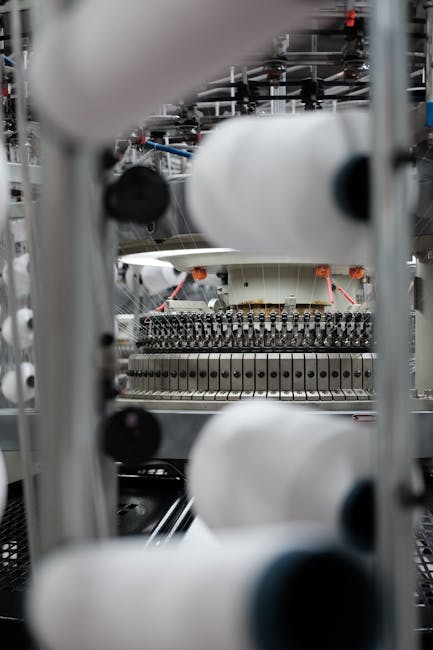
In an age where time is money, businesses are increasingly turning to automated processing to alleviate the burdens of manual tasks and improve productivity. Imagine a world where routine operations are executed seamlessly without human intervention, allowing teams to focus on strategic initiatives that drive growth. This article will explore the concept of automated processing, its applications across various sectors, and how it can transform your workflow for the better. By understanding the fundamentals and benefits of automation, you can position your organization at the forefront of innovation and efficiency.
What is Automated Processing?
Automated processing refers to the use of technology to carry out tasks that would typically require human intervention. This can range from simple data entry to complex algorithms that analyze vast amounts of information. In today’s digital world, automated processing is becoming increasingly important across various fields, including research, healthcare, and finance.
Why is automated processing so valuable? It helps improve efficiency, reduce errors, and save time. For example, in the context of research, tools like Google Scholar and PubMed utilize automated processing to index and retrieve scientific articles. This means researchers can quickly find relevant studies without sifting through countless papers manually.
Here are some common applications of automated processing:
- Data analysis in scientific research
- Automated reporting in finance
- Streamlining administrative tasks
- Enhancing search capabilities in databases like Google Scholar
Automated processing is not just about speed; it’s also about accuracy. For instance, when an author submits an article to a journal, automated systems can check for formatting issues, plagiarism, and even the relevance of the cited works. This ensures that the materials presented are of high quality and meet the required standards.
In fields like healthcare, automated processing can analyze patient data to identify trends and suggest treatments. PubMed, a vital resource for medical professionals, employs automated processing to manage the vast amounts of research published every day. This allows doctors and researchers to access critical information quickly.
To better understand the impact of automated processing, consider the following table that outlines its benefits across different areas:
| Field | Benefits |
|---|---|
| Research | Faster access to articles, improved citation tracking |
| Healthcare | Enhanced patient care through data analysis |
| Finance | Automated reporting and fraud detection |
The role of automated processing continues to evolve, and its integration into various sectors is undeniable. As technology advances, we can expect even more sophisticated applications that will change how we work and interact with information.
Isn’t it fascinating how automated processing can streamline our daily tasks? Whether you’re a researcher diving into Google Scholar or a healthcare professional analyzing data on PubMed, the benefits are clear.
In conclusion, automated processing is a powerful tool that enhances efficiency and accuracy across multiple disciplines. Understanding its applications can help us leverage technology to improve our workflows and outcomes.
Benefits of Automated Processing in Industry
Automated processing is transforming industries by streamlining operations and enhancing productivity. But what exactly are the benefits of this technology? Let’s explore some key advantages.
First and foremost, automated processing significantly reduces human error. In tasks that require precision, such as data entry or manufacturing, machines can outperform humans. This leads to higher quality outputs and fewer costly mistakes.
Another major benefit is efficiency. Automation allows for faster completion of tasks, which can lead to increased output. For example, in the realm of materials handling, automated systems can move products swiftly and accurately, minimizing downtime.
- Reduced human error
- Increased efficiency
- Lower operational costs
Moreover, automated processing can significantly lower operational costs. By minimizing the need for manual labor, companies can allocate resources more effectively. This is especially relevant in industries where labor costs are a major concern.
Consider the impact on data management as well. With automated processing, organizations can gather and analyze vast amounts of data swiftly. This capability is invaluable for research and development, especially when using platforms like Google Scholar or PubMed to access academic articles.
| Benefit | Description |
|---|---|
| Error Reduction | Minimizes mistakes in repetitive tasks. |
| Cost Efficiency | Reduces labor costs over time. |
| Speed | Completes tasks faster than manual processes. |
Additionally, automation can enhance workplace safety. By taking over dangerous tasks, automated systems reduce the risk of workplace accidents. This is particularly crucial in industries like manufacturing and construction.
But what about the adaptability of automated systems? They can be programmed to handle various tasks, making them versatile assets. This adaptability is especially beneficial in research environments where new materials or methods are frequently tested.
As industries continue to evolve, the integration of automated processing will likely become even more pronounced. For instance, using databases like CAS (Chemical Abstracts Service) allows researchers to quickly access relevant information.
In summary, the benefits of automated processing are clear. From error reduction and cost efficiency to enhanced safety and adaptability, this technology is reshaping the landscape of various industries.
Isn’t it fascinating how automation can drive innovation and efficiency? The future certainly looks bright with these advancements.
How Automated Processing Works
Automated processing is transforming the way we handle data across various fields. But how does it actually work? At its core, this technology uses algorithms and software to perform tasks that traditionally required human intervention.
When we talk about automated processing, think of processes like data entry, analysis, and even research tasks. For instance, tools can sift through vast databases like Google Scholar or PubMed to find relevant articles without human input. This not only speeds up the process but also reduces errors.
One of the key components of automated processing is machine learning. This technology allows systems to learn from data patterns, improving their efficiency over time. In academic research, it helps in sorting through thousands of articles, identifying trends, and even correlating findings across different studies.
Here’s a simple breakdown of how automated processing works:
- Data Collection: Gathering relevant data from sources like Google, PubMed, or CAS.
- Data Processing: Using algorithms to analyze and interpret the data.
- Output Generation: Producing results, such as summaries or reports, based on the analysis.
This cycle can repeat, allowing systems to refine their processes continuously. For example, a researcher might rely on automated tools to find articles that cite a specific study. This can be done through platforms like Google Scholar, which organizes research efficiently.
Another important aspect is the integration of various databases. Automated processing can pull information from multiple sources, such as CAS and PubMed, to create a comprehensive overview of a topic. This is particularly useful when looking for literature reviews or meta-analyses.
Let’s look at a comparison of data sources commonly used in automated processing:
| Data Source | Typical Use |
|---|---|
| Google Scholar | Academic articles and research papers |
| PubMed | Biomedical literature |
| CAS | Chemical and scientific information |
As you can see, each source serves a unique purpose. Using automated processing, researchers can access a wealth of information quickly.
So, why is this important? The ability to automate processing not only saves time but also enables researchers to focus on critical thinking and innovation. Instead of getting bogged down in data, they can explore new ideas and contribute to their fields.
In the world of science and research, where every second counts, automated processing is a game changer. It empowers authors and researchers alike to navigate the vast sea of information at their fingertips, making discoveries faster and more efficiently than ever before.
Key Technologies Behind Automated Processing
Automated processing has revolutionized the way we handle data across various fields. But what are the key technologies that make this possible? Let’s explore some of the most influential tools driving this innovation.
One of the foundational technologies is machine learning. This subset of artificial intelligence allows systems to learn from data and improve over time without being explicitly programmed. Google Scholar has a wealth of articles that discuss its applications in automated processing.
Another vital technology is natural language processing (NLP). NLP enables machines to understand and interpret human language. This capability is crucial for tasks like sentiment analysis and chatbots, making automated communication more effective.
- Machine Learning
- Natural Language Processing
- Robotic Process Automation
- Data Mining
Robotic Process Automation (RPA) is another game-changer. RPA tools can mimic human actions to automate repetitive tasks, significantly improving efficiency. For instance, in healthcare, PubMed articles highlight how RPA can streamline patient data management.
Data mining also plays a critical role. It involves analyzing large datasets to discover patterns and insights. This technology is essential for automated processing, enabling organizations to make data-driven decisions quickly.
| Technology | Description |
|---|---|
| Machine Learning | Enables systems to learn from data. |
| Natural Language Processing | Allows machines to understand human language. |
| Robotic Process Automation | Automates repetitive tasks by mimicking human actions. |
| Data Mining | Analyzes large datasets for insights. |
As we delve deeper, it’s important to mention cloud computing. This technology enables scalable resources that support automated processing. Google has numerous resources detailing how cloud solutions can enhance operational efficiency.
Lastly, the integration of APIs (Application Programming Interfaces) allows different software systems to communicate seamlessly. This is essential for building complex automated workflows. Many researchers, including those published in CAS articles, emphasize the importance of APIs in modern automated systems.
In conclusion, the key technologies behind automated processing-machine learning, NLP, RPA, data mining, cloud computing, and APIs-work in concert to create a more efficient and effective way to handle data. Understanding these technologies is crucial for anyone looking to leverage automated processing in their field.
So, what aspect of automated processing intrigues you the most?
Automated Processing vs. Manual Processing
Automated processing and manual processing are two distinct approaches to handling data and tasks. Each has its own set of advantages and challenges, and understanding these differences can help you choose the right method for your needs.
Automated processing refers to the use of technology to perform tasks without human intervention. This can include everything from data entry to complex analyses. On the other hand, manual processing involves human effort to complete tasks that might be repetitive or require critical thinking. But why does this distinction matter?
- Speed: Automated processing is usually faster.
- Accuracy: Automation can reduce human error.
- Cost: Manual processing may be more expensive in the long run.
In many cases, automated processing can significantly enhance efficiency. For example, in the realm of research, platforms like Google Scholar and PubMed utilize automated systems to index articles. This ensures that users can quickly find relevant studies without sifting through numerous publications.
However, there are scenarios where manual processing shines. For instance, in qualitative research, human judgment is crucial. An author may need to interpret nuanced data that automated systems might overlook. Isn’t it fascinating how both methods have their place in the research landscape?
| Feature | Automated Processing | Manual Processing |
|---|---|---|
| Speed | High | Low |
| Cost | Lower in the long term | Higher in the long term |
| Human Oversight | Minimal | Significant |
While automated processing is becoming increasingly prevalent, it’s essential to recognize its limitations. For example, certain tasks require creativity or emotional intelligence-areas where machines still struggle.
Moreover, academic databases like CAS and Google Scholar often rely on automated processing to manage vast amounts of information. Yet, they still require human researchers to validate findings and interpret results.
So, what’s the takeaway? Both automated and manual processing have their unique roles. The key is to understand when to leverage automation and when to rely on human insight.
In many fields, including science and technology, striking the right balance can lead to more effective outcomes. Whether you’re working with materials or analyzing data, knowing how to combine these approaches can enhance your productivity and results.
Applications of Automated Processing in Manufacturing
Automated processing is revolutionizing the manufacturing landscape. By integrating advanced technologies, companies can enhance efficiency, reduce costs, and improve product quality. But what does this really mean for the industry?
In manufacturing, automated processing involves the use of machines and software to handle tasks that were once performed by humans. This can range from simple assembly lines to complex robotics that manage entire production facilities.
One of the primary applications of automated processing is in quality control. Automated systems can quickly analyze products for defects, ensuring that only items meeting strict standards reach the consumer. This not only boosts customer satisfaction but also minimizes waste.
Another significant application is in supply chain management. With automated processing, manufacturers can track inventory levels in real-time, allowing for more accurate forecasting and reducing the risk of overstocking or stockouts.
- Enhanced quality assurance
- Real-time inventory tracking
- Increased production speed
Automation also plays a crucial role in data collection and analysis. By utilizing sensors and IoT devices, manufacturers can gather vast amounts of data on production processes. This data can be analyzed to identify inefficiencies and optimize operations.
Furthermore, automated processing facilitates customization. With flexible manufacturing systems, companies can quickly adjust production lines to meet specific customer demands without significant downtime.
| Application | Benefits |
|---|---|
| Quality Control | Reduces defects and waste |
| Supply Chain Management | Improves inventory accuracy |
| Data Analysis | Identifies inefficiencies |
As we look to the future, the role of automated processing in manufacturing will only expand. With advancements in artificial intelligence and machine learning, systems will become even more sophisticated.
Imagine a world where machines not only perform tasks but also learn from their environment to improve processes continuously. How exciting is that?
In addition to these applications, automated processing is vital for sustainability. By optimizing resource use and minimizing waste, manufacturers can reduce their environmental footprint. This is increasingly important as consumers demand more sustainable practices from businesses.
Ultimately, the adoption of automated processing is not just a trend; it’s a necessity for manufacturers looking to stay competitive. Whether it’s through enhanced quality control or improved supply chain management, the benefits are clear.
As industries continue to evolve, those who embrace automated processing will likely lead the way. The future of manufacturing is here, and it’s automated.
Challenges in Automated Processing Implementation
Automated processing has revolutionized various industries, but implementing it isn’t without its challenges. Understanding these hurdles is crucial for anyone looking to streamline operations.
First, one of the primary challenges is data quality. If the data fed into automated systems is flawed, the output will be equally unreliable. This is often seen in research articles where data integrity is paramount. Google Scholar often emphasizes the importance of using high-quality datasets to ensure accurate results.
Another significant issue is integration with existing systems. Many organizations have legacy systems that may not easily connect with new automated processes. This can lead to increased costs and extended implementation timelines.
- Data quality issues
- Integration challenges
- Cost implications
Moreover, training staff to adapt to new technologies can be daunting. Employees may resist changes, especially if they feel their roles are threatened. It’s vital to address these concerns early on.
A lack of clear objectives can also hinder the success of automated processing. Organizations need to define what they hope to achieve with automation. Is it efficiency, cost savings, or improved accuracy? Without clear goals, it’s easy to lose direction.
In addition to these challenges, compliance with regulations poses another layer of complexity. For instance, in fields like healthcare, using platforms like PubMed requires adherence to strict guidelines. This can slow down the automation process significantly.
| Challenge | Impact |
|---|---|
| Data Quality | Unreliable outputs |
| Integration | Increased costs |
| Training | Employee resistance |
Additionally, the evolving nature of technology means that automated processing tools can quickly become outdated. Staying current requires ongoing investment and training, which can be a significant barrier for many organizations.
In conclusion, while automated processing offers numerous benefits, the challenges associated with its implementation must not be overlooked. Addressing these issues head-on can pave the way for successful automation.
So, what steps can organizations take to mitigate these challenges? Identifying potential pitfalls early and investing in training can make a world of difference.
Future Trends in Automated Processing
Automated processing is rapidly evolving, and its future trends are exciting. As technology advances, we see a significant shift in how data is managed and utilized. This trend is largely driven by the increasing need for efficiency in various fields, from healthcare to finance.
One of the most promising directions for automated processing is the integration of artificial intelligence (AI). AI can analyze vast amounts of data far more quickly than humans can. This capability allows for more accurate predictions and decision-making processes. But how does this impact research?
Consider the role of platforms like Google Scholar. They are becoming essential for researchers looking to streamline their literature reviews. With automated processing, scholars can quickly identify relevant articles, saving countless hours. This improvement is not just a minor convenience; it fundamentally changes how research is conducted.
In addition to AI, we also see advancements in machine learning algorithms. These algorithms can learn from new data, continuously improving their accuracy over time. For example, in medical research, tools that analyze PubMed data can help identify patterns in disease outbreaks or treatment efficacy.
- Integration of AI in data analysis
- Machine learning for continuous improvement
- Enhanced research capabilities through platforms like Google Scholar
Another trend is the rise of automated processing tools that cater specifically to niche industries. For instance, in chemistry and materials science, automated systems are increasingly used to analyze data from CAS databases. This allows researchers to focus on interpretation rather than data collection.
Imagine a world where researchers can access a comprehensive article CAS database in a matter of seconds. This accessibility can accelerate innovation and collaboration across disciplines. The future is not just about speed; it’s about making informed decisions quickly.
| Trend | Impact |
|---|---|
| AI Integration | Faster data analysis and decision-making |
| Machine Learning | Improved accuracy over time |
| Specialized Tools | Streamlined research processes |
Looking ahead, we can expect even more collaboration between automated processing tools and researchers. The synergy could lead to breakthroughs in understanding complex systems, such as those found in nature.
As we embrace these changes, it’s crucial to remain aware of the ethical implications. Automated systems must be transparent and accountable. After all, the goal is to enhance human capability, not replace it.
In conclusion, the future of automated processing is bright and full of potential. With advancements in AI and machine learning, the way we conduct research will continue to transform, making it more efficient and insightful than ever before. Are you ready to embrace these changes?
Automated Processing in Data Management
Automated processing has become a cornerstone in modern data management. It streamlines workflows, reduces human error, and enhances efficiency across various fields. But what does automated processing really entail?
At its core, automated processing involves using technology to handle data tasks without human intervention. This can range from simple data entry tasks to complex analysis and reporting. Tools such as Google Scholar and PubMed have integrated automated processing to facilitate research, making it easier for authors to access relevant information quickly.
Why is this significant? Well, for researchers, having access to automated processing means they can focus on what truly matters: interpreting their data and drawing meaningful conclusions.
Here are some benefits of automated processing in data management:
- Increased speed and efficiency
- Reduction of human error
- Enhanced data accuracy
- Cost-effectiveness
In academic publishing, automated processing plays a vital role. Platforms like Google Scholar and PubMed utilize it to manage vast amounts of literature. For instance, an article can be indexed automatically, allowing researchers to find relevant studies quickly.
Automated tools also help in managing citations. For example, CAS (Chemical Abstracts Service) uses automated processing to organize and retrieve chemical information efficiently. This capability is crucial for researchers who need quick access to materials and studies.
Let’s take a closer look at how automated processing benefits different areas of research:
| Area of Research | Benefit of Automated Processing |
|---|---|
| Biomedicine | Quick access to research articles via PubMed Google integration |
| Chemistry | Efficient retrieval of chemical information through CAS |
| General Research | Simplified literature reviews using Google Scholar |
As you can see, automated processing is not just a trend; it’s a necessity in the fast-paced world of research. It allows authors and researchers to focus on innovation rather than getting bogged down by administrative tasks.
Consider this: how much time could be saved if repetitive tasks were automated? The possibilities are exciting, and the future of data management looks promising with these advancements.
In conclusion, embracing automated processing is key to enhancing productivity and ensuring accuracy in data management. Whether you’re accessing articles through Google Scholar or utilizing CAS for chemical data, the benefits are clear.
In conclusion, the rise of automated processing represents a transformative shift in the way businesses operate and manage their workflows. By leveraging advanced technologies such as artificial intelligence, machine learning, and robotics, organizations can streamline their operations, reduce human error, and significantly enhance productivity. As we have explored throughout this article, the applications of automated processing span numerous industries, from manufacturing and logistics to finance and healthcare, proving its versatility and effectiveness in addressing diverse challenges.
The benefits of adopting automated processing are substantial. Companies can achieve greater efficiency, allowing them to allocate resources more effectively while focusing on strategic initiatives that drive growth. Moreover, the ability to process large volumes of data quickly and accurately enables organizations to make informed decisions in real time, giving them a competitive edge in today’s fast-paced market. As businesses continue to adapt to an increasingly digital landscape, the integration of automated processing will be pivotal in ensuring they remain agile and responsive to ever-changing consumer demands.
However, it is essential to approach automation with a balanced perspective. While automated processing offers numerous advantages, it is crucial to consider factors such as workforce implications, data security, and the need for a robust technological infrastructure. Training employees to work alongside automated systems and fostering a culture of innovation will be key to maximizing the potential of these technologies. Furthermore, businesses must prioritize data governance and cybersecurity measures to protect sensitive information as they integrate automation into their processes.
As we look to the future, the potential for automated processing will only continue to expand. Emerging technologies, such as the Internet of Things (IoT) and blockchain, are likely to further enhance automation capabilities, creating new opportunities for efficiency and innovation. Organizations that embrace these advancements and invest in the right tools and strategies will position themselves for long-term success in an increasingly automated world.
In summary, automated processing is not merely a trend but a fundamental shift that can redefine operational excellence. By understanding its implications and harnessing its power, businesses can unlock new levels of efficiency, drive innovation, and ultimately thrive in a competitive landscape. As we move forward, it will be essential for organizations to stay informed, adapt to technological advancements, and continuously evaluate their processes to fully capitalize on the benefits of automated processing.
Leave a Reply