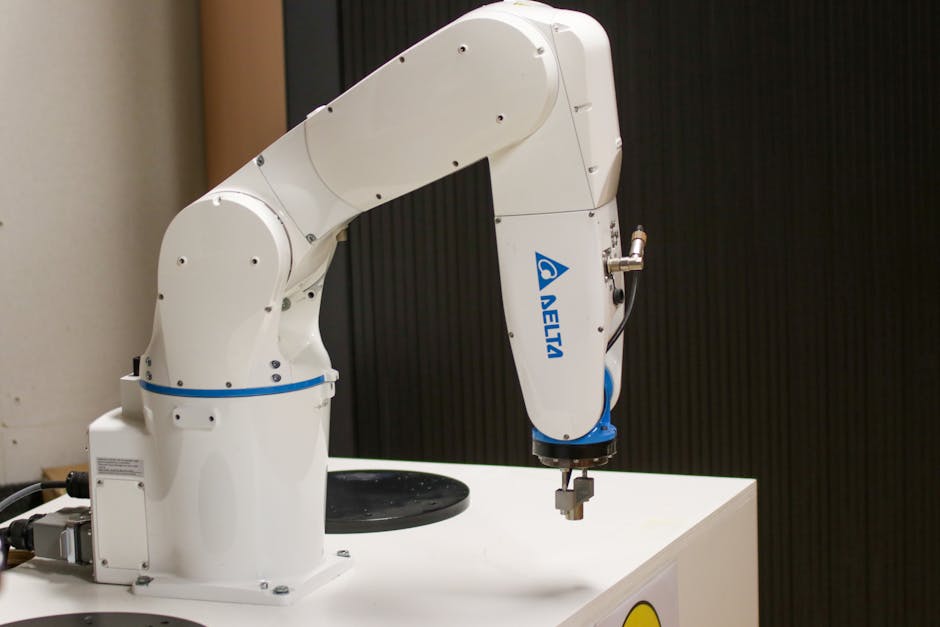
In an era where speed and efficiency are paramount, the integration of artificial intelligence in automation is revolutionizing the way businesses operate. Imagine a world where mundane tasks are seamlessly handled by intelligent systems, allowing human workers to focus on strategic initiatives that drive growth. This article will delve into the transformative power of AI in automation, exploring its benefits, applications, and the future landscape it is shaping. By understanding these concepts, you will gain valuable insights into how to leverage AI for your own automation needs, ensuring your organization stays ahead in a competitive market.
What is Intelligent Automation?
Intelligent automation combines artificial intelligence in automation with traditional automation processes. It enhances the capabilities of systems by integrating AI technologies, allowing businesses to automate complex tasks that require decision making.
At its core, intelligent automation is about making processes smarter. This means not only executing repetitive tasks but also using data to improve outcomes. Imagine a system that learns from past actions and adapts over time. That’s the power of AI automation.
- Enhanced efficiency in business operations
- Reduced human error
- Improved decision making capabilities
- Greater scalability
So, how does this work in practice? Intelligent automation leverages machine learning and natural language processing to analyze data, predict outcomes, and automate responses. This not only saves time but also allows human workers to focus on more strategic tasks.
For example, in customer service, AI can handle common inquiries while human agents tackle more complex issues. This creates a seamless experience for customers and optimizes the use of human resources.
| Task Type | Automation Level |
|---|---|
| Data Entry | High |
| Customer Support | Medium |
| Decision Making | Emerging |
Intelligent automation is not just a trend; it’s a necessity for modern businesses. As companies strive to remain competitive, they must embrace these advanced systems. By doing so, they can streamline operations and enhance customer satisfaction.
However, it’s essential to remember that while automation can handle many tasks, the human touch is irreplaceable. The best results come from a collaboration between AI and human intelligence.
- AI can process data faster than humans.
- Humans provide empathy and understanding in customer interactions.
- Combining both leads to better overall performance.
In conclusion, intelligent automation is revolutionizing how businesses operate. By integrating artificial intelligence in automation, companies can not only improve efficiency but also foster innovation. The future is bright for those who adapt to these technological advancements.
The Latest Tech News on AI Automation
Artificial intelligence in automation is rapidly reshaping how businesses operate. With the ability to analyze vast amounts of data, AI can streamline tasks that once required significant human intervention. This shift not only enhances efficiency but also allows for more strategic decision-making.
As AI systems continue to evolve, they are being integrated into various business processes. From customer service chatbots to automated inventory management, the applications are vast and varied. These systems are designed to reduce the workload on human employees, allowing them to focus on more complex problems.
- AI can handle repetitive tasks.
- Improves accuracy in data processing.
- Enhances customer interaction through personalization.
- Facilitates faster decision-making.
Automation powered by AI is not just about replacing human labor. It’s about enhancing the capabilities of human workers. For example, AI can analyze customer data to predict buying behaviors, enabling businesses to tailor their strategies effectively. This leads to better customer experiences and drives sales.
Moreover, the time saved through automation allows businesses to innovate and grow. Companies can allocate resources to research and development, ultimately leading to new products and services. Isn’t it fascinating how technology can open up new avenues for creativity?
| AI Automation Benefits | Impact on Business |
|---|---|
| Increased Efficiency | Faster project completion |
| Cost Reduction | Lower operational costs |
| Enhanced Accuracy | Fewer errors in tasks |
The latest advancements in AI automation also focus on improving human-AI collaboration. By designing systems that complement human skills, businesses can achieve a harmonious workflow. This synergy not only boosts productivity but also fosters a culture of innovation.
As we look to the future, the role of AI in automation will only grow. Companies that embrace these technologies will likely gain a competitive edge. It’s essential to stay updated on these trends, as they can significantly impact your business strategy.
In conclusion, artificial intelligence in automation is transforming the landscape of business operations. By leveraging AI, companies can enhance their efficiency, improve customer interactions, and make informed decisions. The future is bright for those who adapt and evolve with these technologies. So, are you ready to embrace the change?
Three Key Components of Intelligent Automation
Artificial intelligence in automation is revolutionizing the way businesses operate. By integrating AI, companies can enhance efficiency, reduce costs, and improve decision-making processes. But what are the key components that make this intelligent automation possible?
First and foremost, we have data. Data is the backbone of any automation system. Without it, AI can’t learn or improve. Businesses generate vast amounts of data daily, and harnessing this data is crucial. It allows AI systems to recognize patterns and make informed decisions.
- Data collection methods
- Data processing techniques
- Data analytics for insights
Next, we have machine learning algorithms. These algorithms enable AI systems to analyze data, learn from it, and adapt over time. With machine learning, automation can handle complex tasks that were once performed by humans. This leads to faster execution and less room for error.
Consider how businesses utilize AI automation to streamline operations. Tasks that once took hours can now be completed in minutes, freeing up valuable time for employees to focus on more strategic initiatives.
| Component | Description |
|---|---|
| Data | The foundation for AI, crucial for learning and decision-making. |
| Machine Learning | Algorithms that analyze data and improve over time. |
| Robotic Process Automation (RPA) | Automates repetitive tasks, enhancing efficiency. |
Finally, we have Robotic Process Automation (RPA). RPA is a technology that allows software robots to mimic human actions. This means that mundane, repetitive tasks can be automated, leading to significant time savings. Imagine a world where your team spends less time on administrative tasks and more on innovation!
By combining these three components-data, machine learning, and RPA-businesses can create intelligent automation systems that not only enhance efficiency but also improve customer experiences. The result? A more agile organization that can adapt to changing market conditions.
In conclusion, understanding the key components of intelligent automation is essential for any business looking to leverage artificial intelligence in automation. As technology evolves, those who embrace these tools will find themselves at a significant advantage.
Benefits of Intelligent Automation for Businesses
Intelligent automation is revolutionizing the way businesses operate. By integrating artificial intelligence in automation, organizations can streamline processes and enhance productivity. But what exactly are the benefits?
First off, one of the most significant advantages is the ability to automate repetitive tasks. This means that human employees can focus on more strategic activities. No more spending hours on mundane tasks; instead, they can invest their time in decision-making and innovation.
Here are some key benefits of intelligent automation:
- Increased efficiency in operations
- Enhanced accuracy and reduced errors
- Improved customer satisfaction
- Cost savings for businesses
Another important aspect is data handling. With automation, businesses can process vast amounts of data quickly. This capability aids in making informed decisions based on real-time insights. Imagine having the power to analyze customer behavior patterns effortlessly!
Furthermore, intelligent automation systems can adapt and learn over time. This means they become more efficient as they process more data. Over time, the system improves its ability to predict outcomes and streamline operations.
| Benefit | Impact on Business |
|---|---|
| Increased Efficiency | Faster task completion |
| Cost Savings | Lower operational costs |
| Improved Decision Making | Data-driven strategies |
Moreover, the integration of AI in automation can lead to improved customer experiences. Automated systems can handle inquiries and support requests quickly and accurately. This not only saves time but also enhances customer satisfaction.
It’s fascinating how technology can help in making better decisions. With AI-powered analytics, businesses can predict trends and customer needs. This means they can stay one step ahead in a competitive market.
But what about the human aspect? While intelligent automation handles many tasks, it doesn’t replace the need for human insight. Employees can collaborate with automated systems to achieve even greater results.
In conclusion, the benefits of intelligent automation for businesses are numerous. From efficiency to enhanced decision-making, the potential is vast. As organizations continue to embrace this technology, the future looks promising. Isn’t it exciting to think about what’s next?
Applications of Intelligent Automation in Various Industries
Artificial intelligence in automation is transforming how businesses operate across various sectors. By integrating AI with automation systems, companies can streamline their processes, enhance efficiency, and improve decision making.
From manufacturing to healthcare, the applications of intelligent automation are vast. In manufacturing, for instance, AI-driven robots can handle repetitive tasks, freeing up human workers for more complex responsibilities.
- Manufacturing: Robotics and AI for assembly lines
- Healthcare: Automating patient data management
- Finance: AI algorithms for fraud detection
In the healthcare industry, automation helps manage patient data more efficiently. With AI automation, healthcare providers can analyze large datasets, allowing for quicker diagnoses and treatment plans.
Moreover, in the finance sector, intelligent automation can detect unusual patterns in transactions. This capability is crucial for fraud prevention, saving businesses both time and money.
| Industry | Application of AI Automation |
|---|---|
| Manufacturing | Robotic assembly and quality control |
| Healthcare | Patient data analysis and management |
| Finance | Fraud detection and risk assessment |
Retail is another sector seeing significant benefits from AI automation. By analyzing customer data, businesses can personalize shopping experiences, improving customer satisfaction and retention.
Additionally, logistics companies are employing intelligent automation to optimize supply chain management. Automated systems can predict demand, ensuring that products are available when needed, thus reducing waste.
- Retail: Personalized shopping recommendations
- Logistics: Demand forecasting and inventory management
- Telecommunications: Automated customer service interactions
As we explore these applications, it’s clear that intelligent automation is not just a trend; it’s a fundamental shift in how businesses operate. By embracing AI, companies can enhance their decision-making processes and improve overall productivity.
So, how can your business leverage these advancements? Start by identifying repetitive tasks that can be automated. This will not only save time but also allow your team to focus on strategic initiatives that drive growth.
In conclusion, the applications of artificial intelligence in automation are diverse and impactful. As more industries adopt these technologies, the potential for innovation and efficiency continues to grow.
The Future of Intelligent Automation Technology
Artificial intelligence in automation is rapidly transforming how businesses operate. Imagine a world where routine tasks are handled seamlessly by intelligent systems. This future isn’t far off; it’s already here.
Automation has become a crucial aspect of many industries. By integrating AI into automation, companies can streamline their processes, reduce errors, and improve efficiency. But what does this mean for the future?
The combination of AI and automation is creating intelligent systems capable of making decisions based on data. These systems can analyze vast amounts of information in real-time, allowing businesses to respond quickly to changing conditions.
Consider how this impacts decision-making. With AI automation, organizations can leverage data to enhance their strategies. This means more informed choices, leading to better outcomes for both the business and its customers.
- Enhanced efficiency
- Reduced operational costs
- Improved accuracy in tasks
- Faster response times
As we look ahead, the role of human workers will evolve. Rather than replacing jobs, intelligent automation will complement human efforts. Workers will focus on more complex tasks that require creativity and critical thinking.
Automation can handle repetitive tasks, freeing up time for employees to engage in higher-level decision-making. It’s about making the most of human potential while utilizing AI for what it does best.
What does this mean for businesses? They will need to adapt to a landscape where AI is integral. Companies that embrace this change will likely see a competitive edge.
Here’s a snapshot of how AI automation can benefit various sectors:
| Industry | Benefits of AI Automation |
|---|---|
| Manufacturing | Increased production speed |
| Healthcare | Improved patient outcomes |
| Retail | Enhanced customer experience |
As AI continues to evolve, the possibilities for automation will expand. Businesses will find new ways to integrate these technologies into their operations.
In conclusion, the future of intelligent automation technology is bright. By harnessing the power of artificial intelligence in automation, companies can not only improve their efficiency but also enhance their overall decision-making processes.
Are you ready to embrace this change? The future is waiting!
Understanding Artificial Intelligence in Automation
Artificial intelligence in automation is reshaping how businesses operate. By leveraging AI, companies can streamline processes, reduce errors, and enhance productivity. But how does it all work?
At its core, AI automation involves using algorithms and data to perform tasks that traditionally required human intervention. This can range from simple repetitive tasks to complex decision-making processes. Imagine a system that can analyze vast amounts of data and make recommendations in real-time-this is the power of AI in automation.
- Enhances efficiency
- Reduces operational costs
- Improves accuracy in tasks
- Enables better decision making
AI automation is particularly beneficial for businesses looking to optimize their workflows. By automating mundane tasks, human employees can focus on more strategic initiatives. This not only saves time but also boosts employee morale.
Consider the impact on customer service. AI systems can handle inquiries, process orders, and provide support around the clock. This means customers receive immediate assistance, enhancing their experience and satisfaction.
| AI Automation Benefits | Impact on Business |
|---|---|
| Increased efficiency | Higher productivity |
| Cost reduction | Improved profit margins |
As organizations continue to adopt AI automation, they can expect to see significant improvements in their operations. The future is bright for those ready to embrace these advanced systems. Are you ready to explore how AI can transform your business?
In conclusion, the integration of artificial intelligence in automation is not merely a trend; it is a transformative force reshaping industries and redefining the future of work. As businesses continue to adopt AI-driven technologies, the potential for increased efficiency, improved decision-making, and enhanced productivity becomes increasingly evident. From manufacturing and logistics to healthcare and finance, AI is streamlining operations, reducing costs, and allowing human workers to focus on more strategic, creative, and complex tasks that require emotional intelligence and critical thinking.
Moreover, the evolution of AI in automation is paving the way for innovations that were once thought to be the stuff of science fiction. Machine learning algorithms are now capable of analyzing vast amounts of data to identify patterns and predict outcomes, enabling organizations to make informed decisions with unprecedented speed and accuracy. This capability not only enhances operational efficiency but also opens new avenues for growth and innovation, allowing companies to stay competitive in an increasingly fast-paced market.
However, as we embrace the benefits of artificial intelligence in automation, it is crucial to address the challenges that accompany this technological shift. Concerns about job displacement, ethical considerations surrounding AI decision-making, and the need for robust data security measures must be prioritized. By fostering a collaborative approach that includes upskilling workers, implementing ethical AI frameworks, and ensuring transparency in AI systems, businesses can harness the full potential of automation while mitigating risks.
The future is bright for those who embrace artificial intelligence in automation. Companies that invest in these technologies will not only streamline their operations but also enhance their ability to adapt to changing market dynamics. As AI continues to evolve, it will undoubtedly create new job roles, industries, and opportunities that we have yet to imagine. In this ever-changing landscape, staying informed and proactive will be key to leveraging AI effectively. Ultimately, the successful integration of artificial intelligence in automation is about finding the right balance—harnessing the power of technology while fostering a workforce that is equipped to thrive in the digital age. As we move forward, it will be essential to cultivate a culture of continuous learning and adaptability, ensuring that both businesses and employees are well-prepared for the exciting possibilities that lie ahead.
Leave a Reply