
In today’s fast-paced digital landscape, the role of AI customer service is becoming increasingly vital. As consumers demand quicker, more personalized interactions, businesses are turning to artificial intelligence to meet these expectations. This article explores the latest trends and applications of AI in customer support, highlighting its benefits and challenges, as well as real-world examples that illustrate its impact. Discover how AI is reshaping customer service and what the future holds for this dynamic field.
The Evolution of AI in Customer Service

The landscape of customer service has undergone significant transformation over the past few years, primarily driven by advancements in AI technology. Initially, customer support relied heavily on human agents, but as AI systems emerged, businesses began to embrace these tools to enhance efficiency and improve customer satisfaction.
Today, AI customer service solutions are capable of handling a wide range of inquiries, from simple questions to more complex issues. This shift not only reduces the workload for human agents but also allows for 24/7 support, ensuring that customers receive assistance whenever they need it.
- Increased availability: AI can provide support at any time.
- Efficiency: AI systems can handle multiple inquiries simultaneously.
- Cost-effectiveness: Reducing the need for extensive human support teams.
One of the key trends in AI customer service is the use of chatbots. These AI-driven tools can engage with customers in real time, offering immediate responses to queries. As of July 2023, many businesses reported that implementing chatbots led to a significant decrease in response time, improving overall customer satisfaction.
Moreover, the integration of natural language processing (NLP) has allowed AI systems to understand and respond to customer inquiries more effectively. This technology enables AI to interpret customer emotions and tailor responses accordingly, creating a more personalized experience.
| AI Technology | Benefits | Challenges |
|---|---|---|
| Chatbots | 24/7 availability, quick responses | Limited understanding of complex queries |
| Natural Language Processing | Improved customer interaction, personalization | Requires extensive training data |
| Machine Learning | Continuous improvement, predictive analytics | High initial setup costs |
As AI technology continues to evolve, so does its application in customer service. Companies are now focusing on integrating AI with existing customer relationship management (CRM) systems. This integration allows for better data retrieval and analysis, helping businesses understand customer behavior and preferences more deeply.
Archived data from previous customer interactions can be retrieved and analyzed, enabling AI systems to provide more accurate and context-aware responses. This capability not only enhances the customer experience but also empowers support teams with insights that can drive strategic decisions.
- Integration with CRM systems enhances data analysis.
- Archived interactions provide valuable insights.
- AI can predict future customer needs based on past behavior.
Looking forward, the future of AI in customer service appears promising. As technology advances, we can expect even more sophisticated AI tools that will revolutionize how businesses interact with customers. The original goal of improving efficiency and customer satisfaction remains, but the methods and technologies to achieve these goals are evolving rapidly.
In conclusion, the evolution of AI in customer service is a testament to the potential of technology to transform traditional business practices. With ongoing advancements, companies that leverage AI customer service solutions are likely to gain a competitive edge in an increasingly digital marketplace.
Key Benefits of AI-Powered Customer Support
As businesses increasingly adopt technology, the integration of AI customer service solutions has transformed how companies interact with their customers. AI-powered customer support not only enhances efficiency but also improves customer satisfaction through personalized experiences. Understanding the key benefits of these systems can help businesses stay competitive in a rapidly evolving market.
One of the primary advantages of AI-powered customer support is its ability to operate 24/7. Unlike traditional customer service, which is limited by human availability, AI can provide assistance around the clock. This ensures that customers receive timely responses to their inquiries, regardless of the time of day.
- 24/7 availability for customer inquiries
- Immediate responses to common questions
- Reduced wait times for customers
Another significant benefit is the ability of AI to handle multiple customer interactions simultaneously. This capability allows businesses to scale their customer service operations without the need for additional human resources. As a result, companies can manage high volumes of inquiries efficiently, which is particularly valuable during peak times.
AI customer service tools also leverage data analytics to retrieve insights about customer behavior and preferences. By analyzing past interactions, AI can tailor responses and recommendations, creating a more personalized experience for each customer. This level of customization fosters loyalty and enhances the overall customer experience.
| Benefit | Traditional Customer Service | AI-Powered Customer Support |
|---|---|---|
| Availability | Limited hours | 24/7 support |
| Response Time | Variable | Instant |
| Scalability | Requires more staff | Handles multiple inquiries |
Moreover, AI customer service systems can significantly reduce operational costs. By automating repetitive tasks, businesses can allocate their human resources to more complex issues that require emotional intelligence and critical thinking. This not only saves money but also enhances employee satisfaction as team members engage in more meaningful work.
In addition to cost savings, AI can improve the accuracy of responses. Machine learning algorithms continuously learn from interactions, meaning that the AI becomes more adept at understanding and resolving customer issues over time. This leads to fewer errors and higher quality service.
- Cost-effective solution for businesses
- Enhanced accuracy in responses
- Continuous learning and improvement
Finally, the integration of AI in customer service allows for better tracking and analysis of customer interactions. Businesses can archive conversations and retrieve data easily, enabling them to identify trends and areas for improvement. This data-driven approach helps companies refine their customer service strategies and enhance overall performance.
In conclusion, AI-powered customer support offers numerous benefits, including round-the-clock availability, scalability, cost-effectiveness, and enhanced accuracy. As more companies recognize the value of these systems, the trend toward AI in customer service is set to continue growing, reshaping the future of how businesses engage with their customers.
Real-World Applications of AI in Customer Service
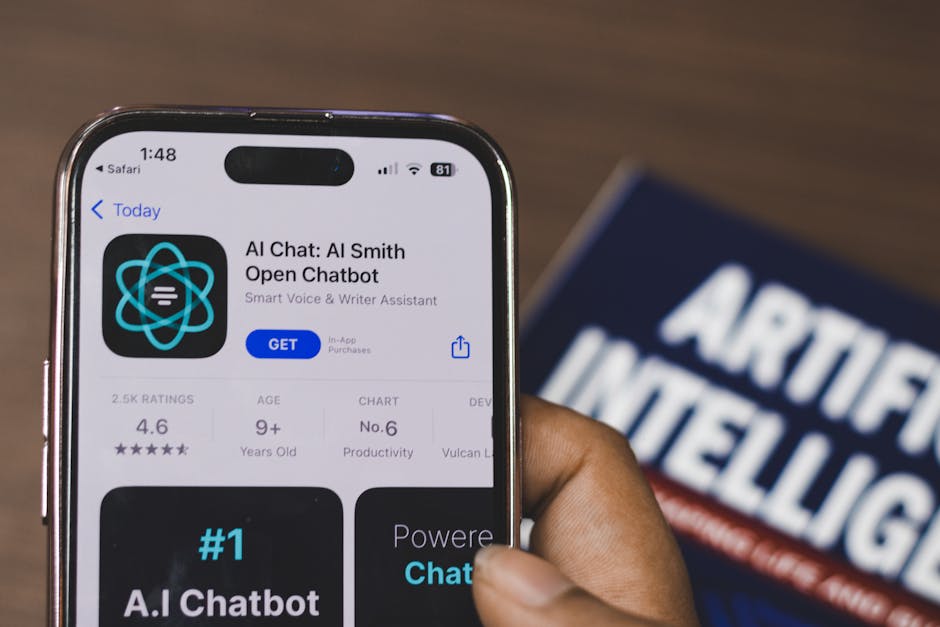
AI customer service is revolutionizing how businesses interact with their customers. Companies are increasingly utilizing AI technologies to enhance their customer service operations, providing faster and more efficient support. From chatbots to predictive analytics, the applications of AI are transforming traditional customer service experiences.
One of the most notable applications is the use of chatbots. These AI-driven tools can handle a multitude of customer inquiries simultaneously, providing instant responses and support. This reduces wait times and allows human agents to focus on more complex issues.
- 24/7 availability for customer inquiries
- Cost-effective solution for businesses
- Improved customer satisfaction through quick responses
Another application is sentiment analysis, which allows businesses to gauge customer emotions based on their interactions. By analyzing customer feedback and social media posts, companies can identify trends and adjust their strategies accordingly. This proactive approach helps in maintaining a positive brand image.
AI also enables personalized customer experiences. By analyzing past interactions and preferences, AI can tailor recommendations and support to meet individual customer needs. This level of personalization not only enhances customer satisfaction but also drives customer loyalty.
| AI Application | Benefits |
|---|---|
| Chatbots | Instant responses, reduced wait times |
| Sentiment Analysis | Identifies trends, improves brand perception |
| Personalization | Enhanced customer experiences, increased loyalty |
In addition to these applications, AI customer service tools are also being used for data retrieval and analysis. Businesses can archive customer interactions and retrieve valuable insights to improve their services. This data-driven approach allows companies to make informed decisions and adapt to changing customer needs.
Moreover, AI can help in managing customer service workloads. By analyzing patterns in customer inquiries, AI can predict peak times and allocate resources accordingly. This ensures that customer support teams are adequately prepared to handle high volumes of requests.
- Data-driven decision-making
- Resource allocation based on predicted demand
- Efficient handling of customer inquiries
As we move further into 2023, the trends in AI customer service are expected to evolve. Businesses are likely to invest more in AI technologies to enhance their customer support capabilities. With advancements in machine learning and natural language processing, the potential for AI in customer service is vast.
In conclusion, the real-world applications of AI in customer service are diverse and impactful. From chatbots and sentiment analysis to personalized experiences and data management, AI is redefining how companies engage with their customers. As these technologies continue to develop, businesses that embrace AI customer service will likely gain a competitive edge in the market.
Challenges in Implementing AI Customer Service Solutions
As businesses increasingly adopt AI customer service solutions, they face a variety of challenges that can hinder successful implementation. One significant issue is the integration of AI technologies with existing customer service frameworks. Many companies rely on legacy systems that may not easily accommodate new AI tools. This can lead to disruptions in service and customer dissatisfaction.
Furthermore, the quality of AI-generated responses is crucial. If the AI system does not accurately understand customer inquiries, it can lead to frustration. This necessitates ongoing training and updates to the AI model, which requires both time and resources.
- Integration with legacy systems
- Quality of AI responses
- Training and resource allocation
Another challenge lies in data management. AI customer service solutions rely heavily on data to function effectively. Companies must ensure they have robust systems in place to archive and retrieve customer interactions. Poor data management can result in incomplete or inaccurate information, ultimately affecting the customer experience.
Moreover, privacy concerns are paramount. Customers are increasingly wary of how their data is used. Implementing AI customer service solutions requires strict adherence to data protection regulations. Companies must balance the benefits of AI with the need to protect customer information.
| Challenge | Impact on Customer Service | Mitigation Strategies |
|---|---|---|
| Integration with Legacy Systems | Disruptions in service | Gradual implementation and testing |
| Quality of AI Responses | Customer frustration | Regular updates and training |
| Data Management | Inaccurate customer information | Robust data archiving and retrieval systems |
| Privacy Concerns | Loss of customer trust | Compliance with data protection regulations |
Training AI systems to understand the nuances of customer interactions is another hurdle. Unlike traditional customer service, AI must learn from vast amounts of data to provide personalized support. This requires a significant investment of time and expertise.
In addition, there is the challenge of maintaining a human touch in customer service. While AI can handle many inquiries, some customers prefer speaking to a human representative. Companies must find a balance between automated responses and human interaction to ensure customer satisfaction.
- Investing in AI training
- Ensuring personalized support
- Balancing automation with human touch
Lastly, measuring the effectiveness of AI customer service solutions can be complex. Businesses need to establish clear metrics to evaluate success. This includes tracking customer satisfaction scores and response times, which can vary significantly depending on the AI system’s performance.
In conclusion, while AI customer service solutions offer numerous benefits, they also present unique challenges. Companies must navigate integration issues, data management, training, and the need for a human touch. By addressing these challenges, businesses can enhance their customer service experience and build stronger relationships with their clients.
Future Trends in AI Customer Support Technology
As we move further into the digital age, the landscape of ai customer service continues to evolve. Companies are increasingly utilizing artificial intelligence to enhance their customer support efforts. This trend is driven by the need for efficient, scalable, and personalized interactions with customers.
One of the most significant trends is the integration of machine learning algorithms that allow AI systems to learn from past interactions. This capability enables AI to provide more accurate and relevant responses over time, improving the overall customer service experience.
- Increased use of chatbots for 24/7 support.
- Personalization based on customer data.
- Predictive analytics to anticipate customer needs.
Another noteworthy trend is the rise of omnichannel support systems. Customers expect seamless transitions between various platforms, whether they are using social media, email, or live chat. AI can facilitate this by archiving previous interactions and retrieving them as needed, ensuring that customers do not have to repeat themselves.
As AI technology advances, we can also expect improved natural language processing (NLP). This will allow AI to understand and respond to customer inquiries in a more human-like manner, making interactions feel more personal and less robotic.
| Trend | Description |
|---|---|
| Machine Learning | Improves response accuracy over time. |
| Omnichannel Support | Seamless transitions across platforms. |
| Natural Language Processing | Enhances human-like interactions. |
Additionally, AI is set to revolutionize the way companies handle complaints and feedback. By analyzing large volumes of data, AI can identify patterns and trends in customer sentiment, allowing businesses to address issues proactively. This not only improves customer support but also fosters loyalty and trust.
In July, many organizations began piloting new AI solutions that focus on predictive customer service. These systems can analyze customer behavior and suggest appropriate actions, significantly reducing response times and improving satisfaction rates.
- Proactive issue resolution.
- Enhanced customer loyalty.
- Data-driven decision making.
Furthermore, the future of ai customer service will likely include more advanced self-service options. Customers prefer to find solutions on their own, and AI can facilitate this by providing easily accessible resources and FAQs that are tailored to individual needs.
As the technology matures, we will also see an increase in AI’s ability to handle complex queries. This will allow human agents to focus on more intricate issues while AI manages routine inquiries, thus optimizing the customer service workflow.
| Future Capability | Impact on Customer Service |
|---|---|
| Advanced Self-Service | Empowers customers to find solutions independently. |
| Complex Query Handling | Free up human agents for higher-level issues. |
In conclusion, the future of ai customer service is bright, with technology set to enhance the way businesses interact with their customers. By embracing these trends, companies can not only improve their customer support but also stay ahead of the competition in an increasingly digital marketplace.
Best Practices for AI in Customer Service
As businesses increasingly adopt AI customer service solutions, it’s essential to implement best practices that enhance user experience and operational efficiency. Understanding how to leverage AI effectively can significantly improve customer satisfaction and streamline support processes. Here are some key practices to consider.
- Integrate AI with existing customer service platforms.
- Train AI systems with high-quality data to improve accuracy.
- Regularly update AI algorithms to adapt to changing customer needs.
First and foremost, integration is crucial. AI should seamlessly connect with existing customer service systems, such as CRM platforms. This allows for a more holistic view of customer interactions, leading to better support and more personalized service.
Data quality is another critical factor. AI systems rely on vast amounts of data to learn and improve. By training AI with original, high-quality data, businesses can ensure that their AI customer service tools retrieve relevant information quickly and accurately.
| Data Quality | Impact on AI Performance |
|---|---|
| High-Quality Data | Improved accuracy and response times |
| Low-Quality Data | Increased errors and customer dissatisfaction |
Another best practice is regular updates of AI algorithms. The landscape of customer preferences and behaviors is constantly evolving, especially in the fast-paced world of customer service. By archiving and retrieving data from previous interactions, businesses can refine their AI systems to better meet customer expectations.
Moreover, it’s essential to balance automation with human touch. While AI can handle routine inquiries efficiently, complex issues often require human support. Implementing a hybrid model ensures that customers receive timely assistance while also having access to human agents when necessary.
- Use AI for FAQs and simple queries.
- Reserve human agents for complex problems.
- Ensure smooth transitions between AI and human support.
Additionally, businesses should monitor AI performance regularly. This involves analyzing customer feedback and response times to identify areas for improvement. By doing so, companies can adapt their strategies and ensure that their AI customer service remains effective.
Finally, consider the ethical implications of using AI in customer service. Transparency in how customer data is used and ensuring privacy will build trust with users. Engaging with customers about how AI enhances their experience can also foster a positive relationship.
| Ethical Considerations | Benefits |
|---|---|
| Data Privacy | Builds customer trust |
| Transparency | Enhances user experience |
In conclusion, implementing these best practices for AI in customer service can lead to improved efficiency and customer satisfaction. By focusing on integration, data quality, regular updates, and ethical considerations, businesses can harness the power of AI to transform their customer service operations.
AI Chatbots: Enhancing Customer Interaction

In recent years, the integration of AI customer service solutions, particularly chatbots, has transformed how businesses interact with their customers. These intelligent systems are designed to provide immediate support, allowing companies to enhance their customer service offerings. As we move forward, the trends surrounding AI chatbots continue to evolve, making them an essential component of modern customer interaction strategies.
One of the most significant advantages of AI chatbots is their ability to operate 24/7. Unlike traditional customer service representatives, chatbots can handle inquiries at any time, ensuring that customers receive timely responses. This capability not only improves customer satisfaction but also reduces wait times for support.
- 24/7 availability
- Reduced response times
- Increased customer satisfaction
Moreover, AI chatbots are becoming increasingly sophisticated, utilizing natural language processing (NLP) to understand and respond to customer queries more effectively. This advancement allows for more personalized interactions, as chatbots can retrieve information from archived customer data and provide tailored responses based on previous interactions.
As businesses continue to adopt AI customer service solutions, the trend is shifting from basic scripted responses to more dynamic conversations. In July 2023, a survey revealed that over 60% of consumers prefer interacting with chatbots for simple inquiries, highlighting the growing acceptance of AI in customer service.
| Feature | Traditional Support | AI Chatbots |
|---|---|---|
| Availability | Limited hours | 24/7 |
| Response Time | Varies | Instant |
| Personalization | Basic | Advanced |
Another trend is the increasing use of AI chatbots in various industries, from e-commerce to healthcare. These chatbots can assist customers by answering questions, guiding them through the purchasing process, or even providing medical advice based on retrieved data. As companies recognize the potential of AI in enhancing customer service, the demand for sophisticated chatbot solutions is expected to rise.
Furthermore, businesses are now focusing on creating a seamless integration between AI chatbots and human customer service agents. This hybrid approach allows chatbots to handle routine inquiries while human agents can step in for more complex issues, ensuring a comprehensive customer service experience.
- Hybrid support model
- Seamless transitions
- Enhanced customer experience
Looking ahead, the future of AI customer service appears promising. Continuous advancements in machine learning and AI technologies will likely lead to even more capable chatbots. Organizations that embrace these innovations can expect to see significant improvements in customer engagement and loyalty.
In conclusion, AI chatbots are redefining customer interaction by providing efficient, personalized, and round-the-clock support. As businesses continue to invest in these technologies, staying informed about the latest trends and developments in AI customer service will be crucial for maintaining a competitive edge in the market.
Voice Assistants in Customer Service: A Game Changer

In recent years, the integration of voice assistants in customer service has transformed the way businesses interact with their clients. These AI-driven tools have streamlined communication, making it faster and more efficient. As companies increasingly adopt this technology, the landscape of customer service continues to evolve.
Voice assistants, like those powered by AI, can handle a variety of tasks, from answering frequently asked questions to processing orders. This not only reduces the workload for human agents but also enhances the customer experience. Customers appreciate the quick responses and 24/7 availability that voice assistants provide.
- Increased efficiency in customer interactions
- 24/7 availability for customer inquiries
- Reduced response times for common queries
According to recent studies, businesses that implement voice assistant technology report higher customer satisfaction rates. These tools can retrieve information quickly, allowing customers to get the support they need without long wait times. This immediacy is crucial in today’s fast-paced environment.
Moreover, voice assistants can be archived for later analysis, providing valuable insights into customer behavior and preferences. Companies can retrieve this data to improve their services, tailoring their offerings to better meet customer needs. This data-driven approach is vital for staying competitive in the market.
| Feature | Benefits |
|---|---|
| 24/7 Availability | Customers can get support anytime |
| Quick Responses | Reduces customer wait times significantly |
| Data Analytics | Helps in improving customer service strategies |
The trend of utilizing AI customer service solutions is likely to continue growing. As technology advances, voice assistants will become even more sophisticated, capable of understanding complex queries and providing personalized responses. This evolution will further enhance the customer service experience.
In conclusion, voice assistants represent a significant shift in customer service practices. Their ability to archive interactions and retrieve data not only improves efficiency but also allows businesses to learn from their customer interactions. As we move forward, the role of AI in customer service will only expand, making it an essential tool for success.
In conclusion, the integration of AI customer service is not merely a trend; it represents a significant evolution in how businesses interact with their customers. By leveraging advanced technologies like machine learning and natural language processing, organizations can offer personalized, efficient, and round-the-clock support that enhances the overall customer experience. As we have explored, the benefits of AI customer service extend beyond mere cost reduction; they encompass improved customer satisfaction, quicker response times, and the ability to handle a higher volume of inquiries without compromising quality. However, it’s essential to approach AI implementation thoughtfully. Businesses must balance automation with the human touch, ensuring that while AI handles routine queries, human agents are available for more complex issues that require empathy and nuanced understanding. As customer expectations continue to rise, the ability to provide seamless, intelligent support will become a critical differentiator in the marketplace. Looking ahead, companies that invest in AI customer service solutions will not only streamline their operations but also foster stronger relationships with their customers, ultimately driving loyalty and long-term success. Embracing this technology is not just about keeping up with competitors; it’s about setting the stage for a future where customer service is more responsive, insightful, and aligned with the needs of the modern consumer.
Leave a Reply