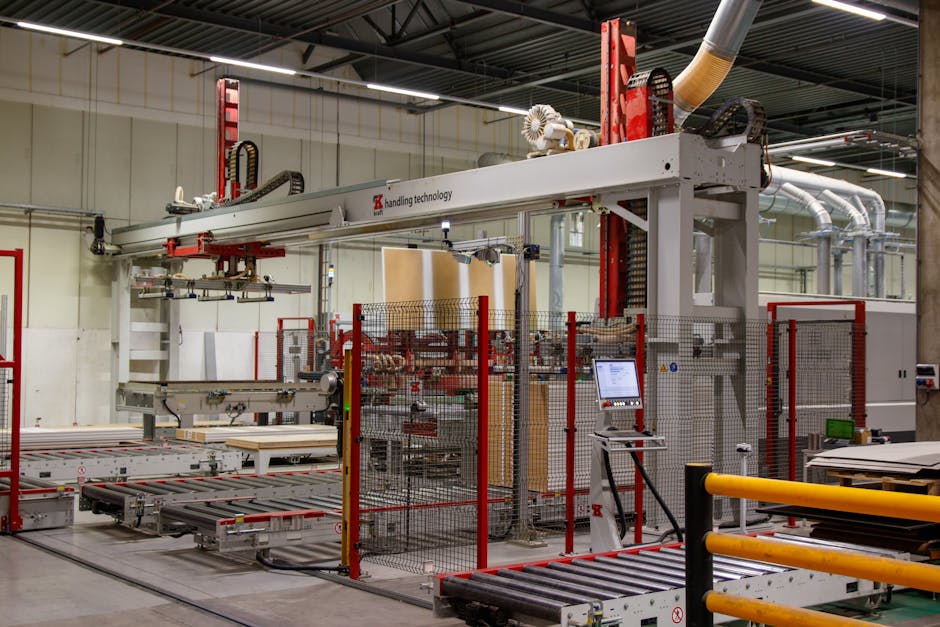
In a rapidly evolving industrial landscape, the role of automation suppliers has never been more critical. As businesses strive for efficiency and innovation, understanding the dynamics of this market can empower decision-makers to harness cutting-edge technologies and solutions. This article delves into the most significant trends impacting automation suppliers today, including the rise of AI, sustainability efforts, and the implications of recent acquisitions. Join us as we explore how these developments are shaping the future of automation and what you need to know to stay ahead in this competitive field.
Top 50 Automation Suppliers in the Industry
The automation industry is rapidly evolving, with suppliers playing a pivotal role in driving innovation and efficiency. As businesses increasingly adopt automation systems, understanding the leading players in this space is crucial.
Automation suppliers provide a diverse range of products, from sensors and switches to advanced software solutions. These components are essential for creating effective control and process systems that enhance operational safety and productivity.

When considering the top automation suppliers, it’s important to look at their offerings. Here’s a brief overview of some key players in the market:
- Siemens
- Rockwell Automation
- ABB
- Honeywell
- Schneider Electric
These suppliers are known for their comprehensive portfolios that include industrial sensors, control systems, and safety solutions. They are continuously adapting to trends such as the Internet of Things (IoT) and Industry 4.0, which are reshaping the landscape of automation.
In addition to the major players, numerous smaller companies are making significant strides in the automation sector. These suppliers often focus on niche markets, offering specialized products like advanced valves and cable management systems.
| Supplier | Specialization |
|---|---|
| Festo | Pneumatics and automation |
| Omron | Sensors and control systems |
What makes these automation suppliers stand out? Many are investing heavily in research and development to stay ahead of technological trends. This commitment is evident in their innovative solutions that enhance productivity and safety across various industries.
As we dive deeper into the top automation suppliers, consider the breadth of their offerings. From robust software platforms that integrate various systems to high-precision sensors that monitor processes, these suppliers are the backbone of modern industrial automation.

In conclusion, the automation suppliers landscape is diverse and dynamic. Whether you’re looking for control systems, safety solutions, or innovative sensors, understanding who the leaders are can help you make informed decisions.
Stay tuned for more insights on the latest trends in automation and how these suppliers are shaping the future of industrial processes.
Supplier Performance Analysis for Automation in 2023
The landscape of automation suppliers is evolving rapidly in 2023. As industries increasingly rely on advanced automation systems, the performance of these suppliers is under the spotlight. But what does this mean for businesses looking to enhance their operational efficiency?
Automation is no longer just about streamlining tasks; it’s about integrating complex systems that improve the overall process and safety. Suppliers are now focusing on smart sensors, control systems, and innovative software that can adapt to changing industrial needs. This trend highlights the importance of choosing the right automation partner.

One of the key trends this year is the rise of featured suppliers who prioritize sustainability and energy efficiency. With increasing pressure from regulatory bodies and consumers alike, automation suppliers are developing products that not only enhance productivity but also reduce environmental impact.
Here’s a quick overview of the factors influencing supplier performance:
- Innovation in control systems
- Integration of advanced sensors
- Focus on safety and compliance
- Commitment to sustainability
As we analyze these trends, it’s important to consider how suppliers are adapting to the needs of different industries. For instance, in the manufacturing sector, the demand for advanced switches and valves is on the rise. These components are essential for ensuring that automation systems operate smoothly and efficiently.
| Supplier Focus Area | Key Products |
|---|---|
| Control Systems | Smart Controllers, Valves |
| Sensors | Proximity Sensors, Temperature Sensors |
| Software | Automation Software, Monitoring Tools |
The integration of software solutions is another significant trend. Automation suppliers are increasingly offering platforms that allow seamless communication between various systems. This integration enables real-time monitoring and control, improving operational efficiency across the board.
Have you ever wondered how these innovations affect safety? As suppliers enhance their product offerings, they’re also placing a greater emphasis on safety features. This is crucial, especially in high-stakes industrial environments where every decision can impact worker safety and system reliability.

In summary, the performance of automation suppliers in 2023 is shaped by a blend of innovation, sustainability, and safety. As industries continue to evolve, so too will the offerings from these suppliers, making it essential for businesses to stay informed and choose partners that align with their operational goals.
Impact of Big Acquisitions on Automation Suppliers
The automation industry is witnessing significant transformations, largely driven by big acquisitions. As major players consolidate, the landscape for automation suppliers is evolving. These acquisitions can reshape market dynamics, influence pricing strategies, and drive innovation in automation systems.
One of the critical aspects of these acquisitions is how they affect the supply chain. When large companies acquire smaller automation suppliers, they often integrate advanced technologies into their existing systems. This can lead to enhanced product offerings, which include improved sensors, control systems, and software solutions.

Moreover, the consolidation can streamline operations and reduce redundancies. Automation suppliers may benefit from increased resources, enabling them to innovate more rapidly. With the push for smarter industrial processes, the integration of cutting-edge technology becomes vital.
- Increased R&D budgets for automation suppliers
- Enhanced product capabilities in sensors and control systems
- Improved market reach through established distribution channels
However, not all impacts are positive. Smaller automation suppliers may struggle to compete against larger entities with more extensive resources. This can lead to a reduction in market diversity, limiting options for end-users.
The safety of industrial processes is another area that can be affected. As companies merge, the focus on safety standards must remain a priority. Ensuring that all products, from valves to switches, meet rigorous safety requirements is essential for maintaining trust in automation systems.
The integration of different technologies can also create challenges. For instance, compatibility issues may arise when combining various automation systems. This can lead to inefficiencies, requiring suppliers to invest in additional software and hardware solutions.
| Challenge | Potential Solution |
|---|---|
| Compatibility Issues | Invest in universal software platforms |
| Market Saturation | Focus on niche markets |
The role of automation suppliers is pivotal in this changing landscape. They must adapt to the shifting demands of the industry, ensuring their products remain relevant. As larger companies push for innovation, smaller suppliers can carve out niches by offering specialized solutions.
In conclusion, the impact of big acquisitions on automation suppliers is multifaceted. While there are opportunities for growth and innovation, challenges must be addressed. The future of automation will depend on how well these suppliers navigate these changes while continuing to meet the needs of their customers.
Is the Automation Market Hitting a Wall?
The automation market has been on a remarkable trajectory over the past few years. However, recent trends suggest that it may be hitting a wall. As industries increasingly rely on automation systems, the demand for automation suppliers has surged. But are we reaching a saturation point?
Many industrial sectors are investing in automation technologies, including sensors, control systems, and software solutions. Yet, the pace of innovation seems to be slowing down. Why is that?
One reason could be the complexity of integrating new automation systems with existing infrastructure. Many businesses grapple with outdated equipment that isn’t compatible with modern automation technologies. This leads to increased costs and extended timelines for implementation.
Additionally, the need for safety and reliability in automation systems cannot be overstated. As companies adopt new technologies, they must also ensure that their systems-like valves and switches-meet stringent safety standards. This creates a bottleneck for suppliers who may struggle to keep up with regulatory demands.
- Complex integration challenges
- Need for safety compliance
- Rising costs of new technology

As we look at the broader landscape, the automation market is also facing increased competition. New players are entering the field, offering innovative solutions that challenge established automation suppliers. This can lead to price wars, ultimately impacting profitability for many companies.
Moreover, the focus on sustainability is pushing businesses to rethink their automation strategies. Companies are now looking for eco-friendly sensors and systems that not only improve efficiency but also reduce their carbon footprint. This shift is creating new opportunities, but it also complicates the market dynamics.
| Trend | Impact |
|---|---|
| Increased competition | Pressure on pricing and profitability |
| Focus on sustainability | Demand for eco-friendly solutions |
The automation market isn’t just about technology; it’s also about the people and processes behind it. Many organizations are struggling to find skilled workers who can manage and implement these complex systems. The skills gap is real and could hinder further advancements in automation.
As we analyze the current state of automation, it’s crucial to consider the role of suppliers. They are the backbone of the industry, providing the necessary tools and technologies. However, if they can’t adapt to changing market demands, it could spell trouble for the entire sector.
In conclusion, while the automation market has experienced significant growth, various factors suggest it may be approaching a critical juncture. The interplay of technology, safety, competition, and workforce challenges will determine whether this market can break through the barriers it currently faces. Will the next wave of innovation come from established suppliers, or will new entrants redefine the landscape? Only time will tell.
How AI is Transforming Industrial Automation
Artificial Intelligence (AI) is reshaping the landscape of industrial automation in remarkable ways. With the integration of AI, automation suppliers are enhancing the efficiency and reliability of various systems. This transformation is not just about replacing human effort; it’s about augmenting capabilities and improving safety in industrial processes.
AI-driven systems now utilize advanced sensors to gather real-time data. These sensors play a crucial role in monitoring equipment health and operational performance. Imagine a factory where machines communicate their status continuously-this is the future that AI is helping to create.

The implementation of AI allows automation suppliers to develop smarter control algorithms. These algorithms can predict failures before they happen, thereby minimizing downtime. This proactive approach not only saves time but also reduces costs associated with unexpected breakdowns.
- Enhanced predictive maintenance
- Real-time monitoring of systems
- Improved decision-making processes
Moreover, the use of AI in industrial automation is driving the development of more sophisticated software solutions. These tools help in analyzing vast amounts of data generated by sensors and switches. With this data, businesses can optimize their processes and increase overall productivity.
AI systems can also adapt to changing conditions in the manufacturing environment. For instance, if a particular valve is malfunctioning, the system can automatically adjust other components to maintain operational efficiency. This level of adaptability is a game-changer for industries that rely on precision and reliability.
| Advancements in AI Automation | Benefits |
|---|---|
| Predictive maintenance | Reduced downtime |
| Real-time data analysis | Increased efficiency |
| Adaptive control systems | Optimized processes |
The safety of workers is another critical aspect where AI is making a significant impact. By utilizing AI-driven systems, companies can monitor safety protocols more effectively. For example, AI can analyze data from safety sensors to ensure that all safety measures are being followed.
As we look to the future, the collaboration between AI and industrial automation will only deepen. Automation suppliers will continue to innovate, bringing forth systems that not only enhance productivity but also prioritize safety and efficiency. It’s an exciting time to be part of this evolving field.

The integration of AI in automation is not just a trend; it’s a fundamental shift in how industries operate. With ongoing advancements, we can expect to see even more transformative changes in the years to come. What will the next generation of automation look like? Only time will tell, but one thing is clear: AI is here to stay.
The Data Explosion and AI in Automation
The rapid advancement of technology has led to an explosion of data, particularly in the field of automation. As industries become more interconnected, the amount of data generated by sensors, control systems, and industrial processes is staggering. This data explosion presents both opportunities and challenges for automation suppliers.
Automation systems are increasingly reliant on artificial intelligence (AI) to analyze and interpret this vast array of data. With AI, automation can not only streamline processes but also enhance safety and efficiency. Imagine a factory where machines communicate in real-time, adjusting their operations based on data collected from various sensors. This is the future of industrial automation.

With the integration of AI, automation suppliers are now able to offer more sophisticated systems. These systems can predict maintenance needs, optimize production schedules, and even improve product quality. The ability to process large amounts of data quickly and accurately is key to staying competitive in today’s market.
- Enhanced predictive maintenance
- Improved production efficiency
- Real-time data analysis
However, this data-driven approach also raises questions about security and privacy. As more devices connect to the internet, the risk of cyber threats increases. Automation suppliers must prioritize safety measures to protect sensitive information and ensure the integrity of their systems.
The role of sensors in automation cannot be overstated. These devices collect critical data that informs decision-making processes. From temperature sensors to pressure switches, each component plays a vital role in the efficiency of industrial systems.
| Sensor Type | Function |
|---|---|
| Temperature Sensors | Monitor heat levels |
| Pressure Switches | Regulate system pressure |
| Flow Sensors | Track fluid movement |
As automation continues to evolve, the demand for advanced software solutions will also grow. These software platforms will enable businesses to harness the power of AI and machine learning, making it easier to manage processes and respond to changing conditions.
The future of automation is undoubtedly bright, but it will require collaboration among automation suppliers, software developers, and industrial operators. By working together, they can create systems that not only improve efficiency but also enhance safety and reliability.

In conclusion, the intersection of data explosion and AI in automation is reshaping industries. As automation suppliers embrace these changes, they pave the way for smarter, safer, and more efficient industrial systems. The question remains: are we ready to fully embrace this transformation?
Sustainability Trends Driving Digital Transformation
Digital transformation is reshaping the industrial landscape, particularly through the lens of sustainability. As businesses strive to reduce their environmental footprint, automation suppliers play a crucial role in providing the necessary tools and systems to achieve these goals.
One of the most significant trends is the integration of smart sensors into industrial processes. These sensors enable real-time monitoring and data collection, leading to more efficient resource management. With enhanced visibility, companies can identify wasteful practices and implement corrective measures swiftly.
Automation systems are evolving to incorporate advanced software solutions that optimize energy consumption. By leveraging data analytics, businesses can make informed decisions that not only improve efficiency but also contribute to sustainability efforts.
- Smart sensors for real-time data
- Energy-efficient automation systems
- Data analytics for informed decision-making
The demand for sustainable practices is also driving innovation in control systems. Automation suppliers are developing solutions that prioritize energy efficiency, such as smart switches and valves that adjust based on current needs. This adaptability not only minimizes waste but also enhances operational safety.
Furthermore, the use of sustainable materials in manufacturing cables and other components is gaining traction. Companies are increasingly opting for recyclable materials, aligning their products with eco-friendly initiatives. This shift is not just a trend but a necessary response to consumer demand for sustainability.
| Trend | Impact |
|---|---|
| Smart Sensors | Improved resource management |
| Energy-efficient Systems | Lower operational costs |
| Sustainable Materials | Reduced environmental impact |
As industries embrace these sustainability trends, they are not only enhancing their operational efficiency but also contributing to a greener future. The collaboration between automation suppliers and businesses is vital in this transformation.
What does this mean for the future? The potential for innovation in automation is vast, and as technologies advance, we can expect even more sophisticated systems that prioritize both performance and sustainability.

In conclusion, sustainability trends are propelling digital transformation in the industrial sector. Automation suppliers are at the forefront, providing the necessary tools and systems to create a more sustainable future. By embracing these innovations, businesses can not only enhance their efficiency but also align with global sustainability goals.
Increased Spending on Sustainability in Automation
The push for sustainability is reshaping the landscape of automation suppliers. Companies are increasingly recognizing the importance of eco-friendly practices, leading to a surge in investments aimed at enhancing sustainability in industrial automation systems. This trend is not just a fleeting phase; it’s becoming a core element of business strategy.
As industries strive to reduce their carbon footprints, automation plays a pivotal role. Advanced control systems, equipped with smart sensors and software, are now designed to optimize energy consumption. This shift helps organizations not only meet regulatory requirements but also respond to consumer demand for greener products.
- Investment in green technologies is on the rise.
- Automation systems are becoming more energy-efficient.
- Companies are adopting sustainable practices to meet consumer expectations.
The integration of automation and sustainability is evident in various sectors. For instance, manufacturers are increasingly using smart valves and switches that minimize waste and maximize efficiency. These components are essential for creating processes that align with sustainability goals.
But what does this mean for automation suppliers? They must adapt by providing innovative solutions that not only enhance productivity but also support environmental initiatives. This is a significant shift in focus, moving from traditional metrics of success to those that incorporate sustainability.
| Sustainable Automation Practices | Benefits |
|---|---|
| Energy-efficient sensors | Reduced energy costs |
| Smart control systems | Improved process efficiency |
| Eco-friendly materials | Lower environmental impact |
The role of automation suppliers is critical in this transition. They are not only providing the necessary technology but also guiding industries on best practices for sustainability. As automation continues to evolve, the alignment with sustainability will likely deepen, making it a key differentiator in the marketplace.
In conclusion, increased spending on sustainability within automation is not just a trend; it’s a fundamental shift in how industries operate. By embracing these changes, companies can enhance their operational efficiency while contributing positively to the environment. Isn’t it exciting to think about the future of automation?
In conclusion, the landscape of automation suppliers is continuously evolving, driven by technological advancements and the ever-increasing demand for efficiency across various industries. As businesses strive to stay competitive, partnering with the right automation supplier can make a significant difference in achieving operational excellence. From enhancing productivity to reducing costs and minimizing human error, automation solutions offer a myriad of benefits that can transform how organizations operate. Therefore, it is crucial for companies to thoroughly assess their needs, evaluate potential suppliers, and choose those that align with their specific goals and values. By fostering strong relationships with automation suppliers, businesses can leverage innovative solutions that not only meet current demands but also adapt to future challenges. As you navigate this journey, remember that the right automation partner can become an invaluable asset, guiding you through the complexities of implementation and ensuring that your investment yields substantial returns. Embrace the future of automation with confidence, and let the expertise of skilled suppliers lead you to new heights of efficiency and success.
Leave a Reply