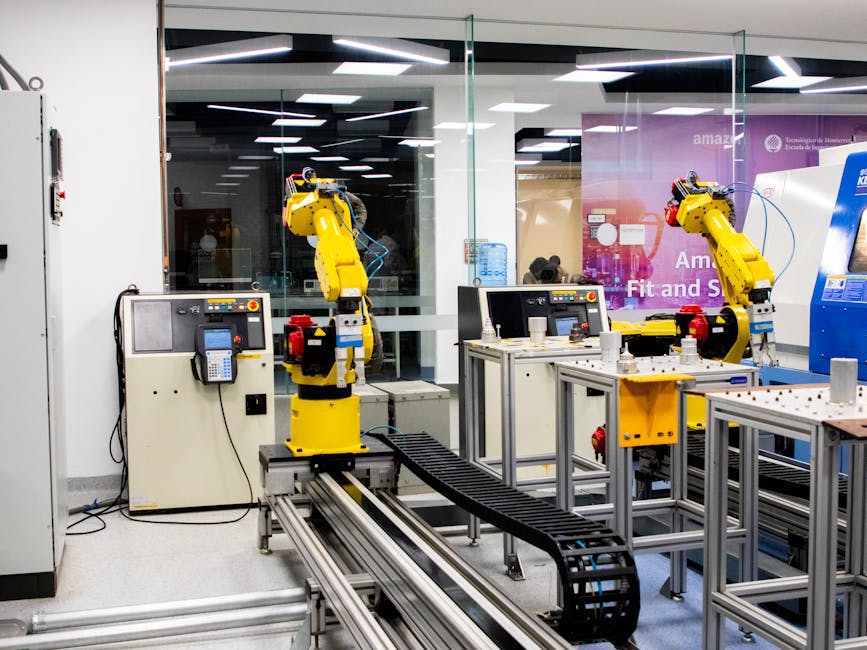
In today’s fast-paced digital world, the integration of AI automations is revolutionizing how businesses operate. Imagine freeing up valuable time and resources while improving accuracy and productivity across various tasks. This article will delve into the concept of AI automation, exploring its key technologies, practical applications, and the strategies needed for successful implementation. By understanding the potential of AI automations, you’ll be equipped to harness this technology to elevate your business to new heights.
What is AI Automation and How Does It Work?
AI automation refers to the use of artificial intelligence technologies to perform tasks that would typically require human intervention. It streamlines processes by automating repetitive tasks, allowing businesses to focus on more strategic activities.
At its core, AI automation leverages machine learning algorithms and data processing to execute tasks efficiently. But how exactly does it work?
The process begins with data collection. Organizations gather vast amounts of data from various sources, which is then used to train AI systems. These systems analyze patterns and trends, enabling them to predict outcomes and make decisions.
Once trained, AI tools can be deployed to automate tasks across different sectors. This could range from customer service chatbots to sophisticated data analysis systems. The key is that these AI automations can operate without constant human oversight.
- Data collection is crucial for effective AI automation.
- Machine learning helps in understanding patterns.
- Automation can be applied in various industries.
But let’s break it down further. AI automation typically involves several steps:
1. Data Input: Raw data is fed into the AI system.
2. Processing: The AI algorithms analyze the data.
3. Output: Based on the analysis, tasks are executed automatically.
This cycle not only increases efficiency but also enhances accuracy. For example, in testing software, AI can quickly identify bugs that a human might overlook.
| Step | Description |
|---|---|
| Data Input | Gathering relevant data for analysis. |
| Processing | Analyzing data using AI algorithms. |
| Output | Executing tasks based on analysis. |
The beauty of AI automation lies in its adaptability. As the system processes more data, it continuously learns and improves. This means that over time, the automation becomes even more efficient at handling tasks.
Think about customer interactions. AI can manage inquiries, resolve issues, and even provide personalized recommendations-all without human involvement. This not only saves time but also enhances the customer experience.
Furthermore, AI automation helps in testing processes. By automating the testing of software, businesses can ensure that their products are reliable and meet quality standards before release.
In summary, AI automation is a powerful tool that transforms how organizations operate. By effectively using data and machine learning, it automates tasks, improves efficiency, and enhances decision-making.
Isn’t it fascinating how technology can reshape our daily operations?
Key Technologies Behind AI Automation Explained
Artificial intelligence (AI) automation is revolutionizing how we approach various tasks in both personal and professional settings. At its core, AI automation combines sophisticated algorithms with vast amounts of data to streamline processes and improve efficiency. But what are the key technologies that make this possible?
First, let’s talk about machine learning. This subset of AI involves training algorithms on data to help them learn from experience. By analyzing patterns, machine learning models can make predictions or decisions without human intervention. This is particularly useful in areas like customer service, where chatbots powered by machine learning can handle inquiries automatically.
Another crucial technology is natural language processing (NLP). NLP enables machines to understand and interpret human language. This allows AI automation tools to engage with customers in a more conversational manner. Imagine a system that can not only respond to queries but also understand the context behind them. This level of comprehension enhances customer interactions significantly.
- Machine Learning: Analyzes data to make predictions.
- Natural Language Processing: Understands human language.
- Computer Vision: Interprets visual data.
Moreover, robotic process automation (RPA) is essential for automating routine tasks. RPA involves using software robots to perform repetitive tasks typically done by humans. For example, data entry or invoice processing can be automated using RPA, freeing up human employees to focus on more complex projects. This not only increases productivity but also reduces errors.
The integration of these technologies creates powerful AI automation systems. These systems can handle a variety of tasks across different industries, from marketing to finance. But how do we ensure these systems are functioning correctly? That’s where testing comes into play.
Testing is a critical component of AI automation. It involves evaluating the performance of the algorithms and ensuring they meet the required standards. Without proper testing, the reliability of an AI automation system can be compromised. This can lead to poor customer experiences or even financial losses.
| Testing Type | Purpose |
|---|---|
| Unit Testing | Tests individual components for functionality. |
| Integration Testing | Ensures different components work together. |
| User Acceptance Testing | Validates the system meets user needs. |
Finally, the role of data cannot be overstated. Data serves as the backbone of AI automation. The more quality data an AI system has, the better it can learn and improve. This is why organizations are increasingly investing in data management tools to ensure their systems are powered by accurate and relevant information.
In summary, the technologies behind AI automation are diverse and interconnected. From machine learning and NLP to RPA and robust testing methods, they work together to create systems that enhance efficiency and improve customer satisfaction. As we continue to explore the possibilities of AI automation, it’s clear that understanding these technologies is essential for anyone looking to leverage their potential.
Advantages of AI Automation for Businesses
AI automation is transforming the way businesses operate. By leveraging advanced technologies, companies can streamline their processes, reduce costs, and enhance efficiency. But what exactly are the advantages of integrating AI automation into your business?
First and foremost, AI automation significantly boosts productivity. By automating repetitive tasks, employees can focus on more strategic initiatives that require human intelligence. This not only increases job satisfaction but also drives innovation.
- Increased efficiency in operations
- Reduced human error
- Faster turnaround times
- Enhanced data analysis capabilities
Another key advantage is the ability to make data-driven decisions. AI automation tools can analyze vast amounts of data quickly, providing insights that were previously hard to uncover. This means businesses can respond faster to market changes and customer needs.
Moreover, AI-powered systems can improve customer experiences. By automating customer service tasks, companies can provide quicker responses and personalized interactions. Think about how chatbots and automated email responses have changed customer engagement!
| Advantage | Description |
|---|---|
| Cost Savings | Reduce operational costs by minimizing manual labor. |
| Scalability | Easily scale operations without a proportional increase in costs. |
Furthermore, AI automation allows for continuous testing and improvement. Automated systems can run tests on various processes, identifying areas for enhancement without human intervention. This leads to a more agile business model that can adapt to new challenges.
With the right AI automation tools, companies can also enhance their marketing strategies. By analyzing customer data, businesses can segment their audience effectively and tailor campaigns to meet specific needs. Isn’t that a game-changer?
- Improved marketing effectiveness
- Enhanced accuracy in forecasting
- Streamlined supply chain operations
- Better resource allocation
In conclusion, the advantages of AI automation for businesses are vast. From increasing efficiency and reducing costs to enhancing customer experiences, the benefits are clear. Embracing AI automation is not just a trend; it’s a necessity for modern businesses looking to thrive in a competitive landscape.
As we move forward, those who leverage these advanced technologies will likely lead their industries. So, are you ready to explore the world of AI automation?
Disadvantages of AI Automation You Should Know
AI automation has gained popularity for its ability to streamline processes and enhance efficiency. However, it’s not without its downsides. Understanding these disadvantages can help you make informed decisions about integrating AI into your systems.
One significant drawback is the initial cost. Implementing AI automation tools often requires substantial investment in software and infrastructure. Many businesses find themselves stretching budgets to accommodate these new technologies.
Additionally, there’s the issue of complexity. Setting up AI systems can be a daunting task. It requires careful planning, extensive testing, and a deep understanding of both the data and the tasks being automated.
- High initial costs
- Complex setup and integration
- Ongoing maintenance needs
Another concern is job displacement. As AI automations take over routine tasks, employees may feel threatened, leading to lower morale or resistance to change. It’s essential for organizations to manage this transition thoughtfully.
Moreover, the reliance on AI can lead to a lack of human oversight. Automated systems can make decisions based on data patterns, but they may miss the nuance that a human would catch. This is particularly important in customer-facing roles where empathy and understanding are crucial.
| Disadvantage | Impact |
|---|---|
| High Initial Costs | Budget strain |
| Complex Integration | Time-consuming |
| Job Displacement | Employee morale issues |
Furthermore, data security is a significant concern. With more data being processed through AI systems, the risk of breaches increases. Organizations must prioritize securing sensitive information to prevent potential fallout.
It’s also worth noting that AI automations can sometimes produce biased outcomes. If the data used to train these systems is flawed or unrepresentative, the results can be skewed. This can lead to serious ethical implications, especially in critical areas like hiring or law enforcement.
So, is AI automation the right choice for your business? It’s essential to weigh these disadvantages against the potential benefits.
In conclusion, while AI automation offers incredible advantages, understanding its drawbacks is crucial. By being aware of the costs, complexities, and ethical considerations, you can better navigate the landscape of AI in your organization. Always remember to test your systems thoroughly before full implementation to mitigate risks effectively.
Applications of AI Automation in Various Industries
AI automation is transforming how industries operate by streamlining processes and enhancing efficiency. From manufacturing to healthcare, the applications of AI automation are vast and varied. Let’s explore some key sectors where these technologies are making a significant impact.
In manufacturing, AI automation is used to optimize production lines. Automated systems powered by AI can analyze data in real-time to predict equipment failures and schedule maintenance. This not only reduces downtime but also saves costs in the long run.
- Predictive maintenance
- Quality control
- Supply chain optimization
Moreover, AI automation tools help in managing inventory more effectively. By analyzing historical data, these systems can forecast demand and adjust stock levels accordingly. This leads to reduced waste and improved customer satisfaction.
In the healthcare sector, AI automation is revolutionizing patient care. Automated systems can assist in diagnosing diseases by analyzing medical data and suggesting treatment plans. This not only speeds up the process but also improves accuracy.
| Application | Benefit |
|---|---|
| Patient diagnostics | Faster and more accurate diagnoses |
| Treatment recommendations | Personalized patient care |
AI automation is also used in administrative tasks within healthcare facilities. Automating scheduling and patient records management frees up staff to focus on direct patient care. Isn’t it fascinating how technology can enhance human interaction?
Retail is another industry benefiting from AI automation. Customer service chatbots powered by AI can handle inquiries 24/7, providing instant support. This not only improves the customer experience but also reduces the workload on human agents.
- Chatbots for customer service
- Personalized shopping experiences
- Inventory management
Additionally, AI-driven analytics tools help retailers understand consumer behavior. By analyzing purchase data, businesses can tailor their marketing strategies and enhance sales performance. It’s all about connecting with customers in a meaningful way.
In finance, AI automation is used for risk assessment and fraud detection. Automated systems can scrutinize transaction data to identify unusual patterns, alerting institutions to potential fraud. This proactive approach is crucial in protecting both businesses and customers.
| Application | Benefit |
|---|---|
| Fraud detection | Enhanced security |
| Risk assessment | Informed decision-making |
As we can see, the applications of AI automation are not just limited to one sector. They span across various industries, improving efficiency, reducing costs, and enhancing customer experiences. The future looks promising with AI at the forefront of these advancements.
AI Automation Testing Tools You Need to Know
In today’s fast-paced tech landscape, AI automations are becoming essential for streamlining processes. Especially in testing, these tools can save time and enhance accuracy. But which ones should you consider?
Let’s explore some of the most effective automation tools that leverage AI capabilities for testing tasks.
- Test.ai
- Applitools
- TestComplete
- Ranorex
First up is Test.ai. This tool uses AI to automate the testing of mobile applications. Its ability to learn from existing tests means it can adapt and improve over time. Imagine running tests that actually get smarter!
Next, we have Applitools, which focuses on visual testing. It ensures that your software looks great across all devices. With its AI-powered visual comparison, it can quickly identify discrepancies that might go unnoticed by human testers.
| Tool | Key Feature |
|---|---|
| Test.ai | AI-driven mobile testing |
| Applitools | Visual testing with AI |
TestComplete is another fantastic option. It allows for comprehensive automation across desktop, web, and mobile applications. Its integration with CI/CD pipelines makes it a favorite among developers who want to ensure quality at every stage.
Finally, Ranorex offers robust features for both desktop and web applications. It’s user-friendly and perfect for teams looking to implement AI automations without a steep learning curve.
- TestComplete: CI/CD integration
- Ranorex: User-friendly interface
With these AI automation testing tools in your arsenal, you’re well on your way to enhancing your testing processes. Remember, the right tools can make all the difference in delivering quality software to your customer base.
Incorporating AI automations into your workflow not only improves efficiency but also allows your team to focus on more strategic tasks. Why not give these tools a try and see how they can transform your testing approach?
In conclusion, the integration of AI automations into various aspects of business and daily life is revolutionizing the way we operate and interact with technology. By harnessing the power of artificial intelligence, organizations can streamline processes, enhance productivity, and make data-driven decisions with remarkable efficiency. From automating routine tasks to providing personalized customer experiences, AI automations are not just a technological advancement; they are a crucial element in staying competitive in an increasingly digital world.
As we look to the future, the potential of AI automations will only continue to expand. With advancements in machine learning, natural language processing, and predictive analytics, businesses can expect to see even greater capabilities that will transform industries. The ability to analyze vast amounts of data in real-time allows for insights that were previously unimaginable, enabling companies to adapt quickly to market changes and consumer demands.
Moreover, the accessibility of AI tools is becoming more widespread, empowering small and medium-sized enterprises to leverage these technologies without the need for extensive resources. This democratization of AI enables businesses of all sizes to implement automations that enhance efficiency and foster innovation. The result is a more level playing field where agility and creativity can thrive.
However, as we embrace these advancements, it is essential to approach AI automations with a thoughtful strategy. Understanding the unique needs of your business, setting clear objectives, and continuously monitoring the outcomes of automated processes are key to maximizing their benefits. Additionally, fostering a culture that embraces change and encourages ongoing learning will be vital in ensuring that teams can adapt to the evolving landscape of technology.
Ultimately, AI automations are not merely a trend; they represent a fundamental shift in how we work and engage with technology. As we continue to explore the possibilities and refine our approaches, the importance of integrating AI automations thoughtfully will be paramount. By doing so, businesses can unlock new levels of efficiency, creativity, and growth, paving the way for a future where technology and human intelligence work hand in hand to achieve remarkable outcomes.
Leave a Reply