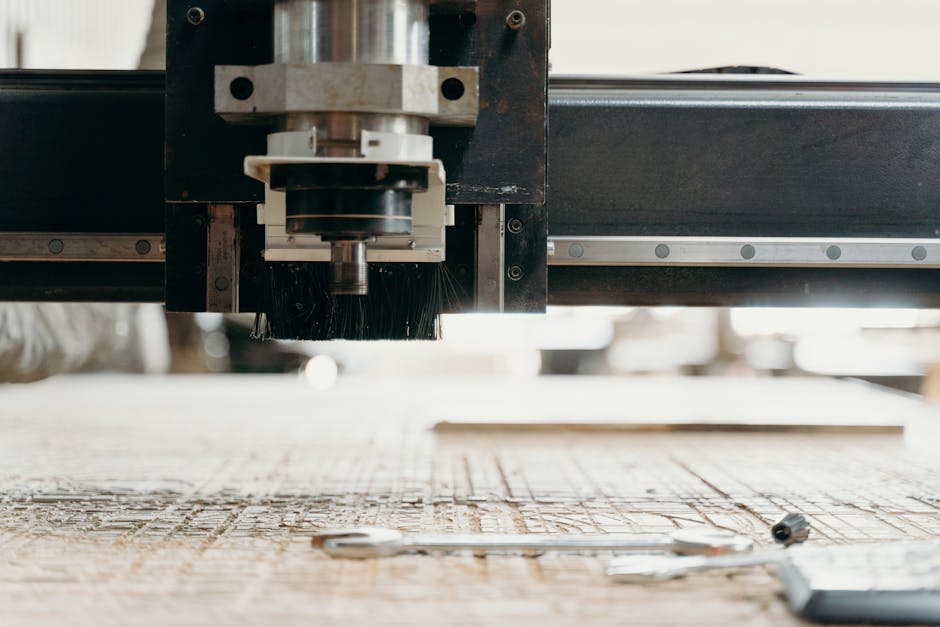
Automation is revolutionizing the way we live and work, eliminating mundane tasks and enabling us to focus on what truly matters. Whether you’re a business owner seeking to optimize operations or an individual curious about the latest technological advancements, understanding automation is essential. In this article, we’ll delve into the definition, types, and real-world applications of automation, providing you with valuable insights into its benefits and challenges. Prepare to explore how automation is not just a trend, but a fundamental shift that shapes the future of industries and everyday life.
What is Automation and Its Importance?
Automation refers to the use of technology to perform tasks with minimal human intervention. It encompasses a wide range of applications across various industries, from manufacturing to services. The core idea is to enhance efficiency, accuracy, and productivity while reducing the need for manual input.
In today’s fast-paced world, the importance of automation cannot be overstated. It allows businesses to streamline their operations, reduce costs, and improve the quality of their products and services. But what exactly makes automation so vital?
- Increased Efficiency: Automation speeds up processes.
- Cost Reduction: Less labor means lower operational costs.
- Consistency: Automated systems produce uniform results.
One of the most significant benefits of automation is its ability to control complex processes. By integrating automated systems, companies can monitor and adjust operations in real-time. This level of control is essential in industrial settings, where precision is key.
Moreover, automation helps in minimizing human error. When machines take over repetitive tasks, it reduces the likelihood of mistakes that can arise from fatigue or distraction. This leads to a more reliable output and enhances overall quality.
| Benefit of Automation | Description |
|---|---|
| Increased Productivity | Automation allows for 24/7 operation, increasing output. |
| Improved Safety | Machines can handle hazardous tasks, protecting human workers. |
Another crucial aspect of automation is its role in data collection and analysis. Automated systems can gather vast amounts of data quickly, enabling businesses to make informed decisions. This data-driven approach is particularly valuable in identifying trends and optimizing processes.
As industries continue to evolve, the integration of machine learning and AI into automation systems is becoming more prevalent. These technologies allow for adaptive control and real-time adjustments, making processes even more efficient.
- Scalability: Automation systems can easily scale with business growth.
- Flexibility: Automated processes can be reconfigured for different tasks.
- Enhanced Quality Control: Automated checks ensure higher quality standards.
In conclusion, automation is not just a trend; it is a fundamental shift in how we approach work. Its importance lies in its ability to transform processes, enhance control, and drive efficiency. As we look to the future, embracing automation will be crucial for businesses aiming to stay competitive.
The History of Automation: A Timeline
Automation has a rich history that dates back centuries. It’s fascinating to see how the concept has evolved from simple machines to complex systems that control entire industries.
In ancient times, basic automation was achieved through simple machines like levers and pulleys. These tools allowed humans to perform tasks more efficiently. They laid the groundwork for future innovations in automation.
Fast forward to the Industrial Revolution in the 18th century. This era marked a significant shift in manufacturing processes. The introduction of steam power and mechanized systems transformed how goods were produced.
Factories began to utilize machines that could perform repetitive tasks, reducing the need for human labor. This was the dawn of industrial automation, and it changed the landscape of manufacturing forever.
| Year | Key Development |
|---|---|
| 1760 | Start of the Industrial Revolution |
| 1801 | First mechanical loom by Joseph Marie Jacquard |
| 1960s | Introduction of programmable logic controllers (PLCs) |
As we moved into the 20th century, automation took another leap forward. The invention of computers allowed for more sophisticated control systems. By the 1960s, programmable logic controllers (PLCs) began to emerge, enabling factories to automate complex processes.
These advancements made it possible to control machinery with greater precision. It also paved the way for the development of robotics in manufacturing.
By the late 20th century, automation became more accessible. With the rise of computers, businesses began to implement automated systems across various sectors. This included everything from assembly lines to inventory management.
One notable example is the automotive industry, where automation dramatically increased production rates. This shift not only boosted efficiency but also improved product quality.
- Increased production efficiency
- Improved product quality
- Reduced labor costs
Today, automation is an integral part of our daily lives. From smart home devices to advanced manufacturing systems, it continues to evolve.
But what does the future hold for automation? As artificial intelligence and machine learning develop, we can expect even more automated processes. This could lead to more sophisticated control systems that enhance productivity across various industries.
The history of automation is a testament to human ingenuity. It shows how we’ve continuously sought to improve our processes and systems. As technology advances, the potential for automation seems limitless.
Isn’t it exciting to think about what’s next?
Advantages and Disadvantages of Automation
Automation has transformed industries, streamlining processes and enhancing efficiency. However, like any technology, it comes with its own set of advantages and disadvantages.
One of the primary advantages of automation is its ability to increase productivity. Automated systems can operate continuously, performing tasks faster than human workers. This is especially beneficial in industrial settings, where machines can work around the clock without fatigue.
Additionally, automation can lead to significant cost savings. By reducing the need for manual labor, businesses can allocate resources more effectively. This is crucial in sectors like manufacturing, where labor costs can be a major expense.
- Increased productivity
- Cost savings
- Consistency in output
- Reduced human error
However, the shift towards automation isn’t without its drawbacks. One major concern is job displacement. As machines take over repetitive tasks, many workers may find themselves out of a job. This raises important questions about the future of work and how to retrain the workforce.
Moreover, while automated systems offer control and efficiency, they can also lead to vulnerabilities. A system failure or cyber-attack can disrupt operations significantly. Businesses must weigh the risks of relying heavily on technology.
| Advantages | Disadvantages |
|---|---|
| Increased efficiency and productivity | Job displacement concerns |
| Cost reduction over time | Potential system vulnerabilities |
| Consistency in quality and output | High initial investment costs |
Another disadvantage is the high initial investment required for automation systems. Businesses must consider the upfront costs of purchasing and implementing these technologies. This can be a significant barrier for smaller companies.
It’s also worth noting that not all processes are suitable for automation. Some tasks require a human touch, creativity, or emotional intelligence that machines simply cannot replicate. Striking the right balance between automated and human processes is essential.
In conclusion, automation offers numerous benefits, including enhanced productivity and cost savings. However, it also poses challenges, particularly around job security and system reliability. As industries continue to evolve, understanding both sides of automation will be crucial for businesses and workers alike.
What do you think? Is the push towards automation worth the trade-offs?
Exploring Lights-Out Manufacturing Techniques
Lights-out manufacturing is an intriguing concept in the realm of automation. Imagine a factory that runs without human intervention, operating efficiently around the clock. This idea isn’t just a dream; it’s becoming a reality thanks to advancements in industrial automation.
At its core, lights-out manufacturing relies on automated systems. These systems can control machines and processes, allowing them to function independently. But what does this mean for traditional manufacturing?
- Increased efficiency
- Reduced labor costs
- Higher production rates
By minimizing human involvement, manufacturers can streamline operations. This shift means that machines take over repetitive tasks, allowing human workers to focus on more complex issues. But it’s not just about replacing humans; it’s about enhancing the entire process.
Automation in lights-out manufacturing can lead to significant improvements in quality control. Automated systems can monitor production processes with precision. They can also detect anomalies that a human might miss, ensuring that every product meets high standards.
| Benefits of Lights-Out Manufacturing | Challenges |
|---|---|
| 24/7 operation | High initial investment |
| Consistency in production | Maintenance complexity |
| Reduced human error | Job displacement concerns |
As we dive deeper into the world of automation, it’s clear that lights-out manufacturing presents both opportunities and challenges. While the benefits are enticing, the hurdles cannot be ignored. How can manufacturers balance these aspects?
One way is through careful planning and implementation of automated systems. By gradually integrating these technologies, businesses can adapt without overwhelming their workforce. This approach allows for a smoother transition and helps to maintain morale.
- Training for employees
- Phased automation adoption
- Continuous monitoring of systems
In conclusion, exploring lights-out manufacturing techniques reveals a fascinating intersection of technology and human capability. As automation continues to evolve, so too will the strategies for integrating these systems into our workflows. The future of manufacturing is bright, and it’s operating in the dark.
The Impact of Automation on Health and Environment
Automation is transforming industries and our daily lives. But what does this mean for our health and the environment?
As we delve into the impact of automation, it’s essential to recognize both its benefits and potential drawbacks. On one hand, automation can lead to increased efficiency. On the other, it may introduce new challenges that require careful management.
One significant area of concern is the environmental impact of automated systems. For instance, industrial automation often leads to higher energy efficiency. This can reduce greenhouse gas emissions, which is a positive outcome.
However, the manufacturing processes involved in creating automated machines can be resource-intensive. It raises the question: Are we truly benefiting the environment if we overlook these initial costs?
- Increased energy efficiency
- Reduction in emissions
- Resource-intensive manufacturing
Moreover, automation in agriculture has revolutionized food production. Automated systems can optimize water usage and reduce pesticide application. This not only helps in conserving resources but also promotes healthier food options.
Yet, as we embrace these technologies, we must consider their long-term effects on ecosystems. Will the reliance on machines lead to a decrease in biodiversity?
The health implications of automation are equally important. Automated processes can enhance workplace safety by minimizing human error. For instance, in hazardous environments, machines can take over dangerous tasks.
But there’s a flip side. Increased automation can lead to job displacement, affecting mental health and community well-being. How do we balance the benefits of automation with the need for stable employment?
| Benefit | Concern |
|---|---|
| Increased efficiency | Job displacement |
| Enhanced safety | Mental health impacts |
In summary, the impact of automation on health and the environment is multifaceted. While it offers remarkable advancements, it also presents significant challenges.
As we continue to innovate, we must remain vigilant. How can we ensure that the benefits of automation are enjoyed without sacrificing our health or the planet?
Convertibility and Turnaround Time in Automation
Automation is transforming how industries operate, particularly in terms of convertibility and turnaround time. But what do these terms really mean in the context of automation?
Convertibility refers to the ability of automated systems to adapt to different processes or products with minimal downtime. This flexibility is crucial in fast-paced environments, especially in manufacturing.
Turnaround time, on the other hand, is the time it takes to complete a process from start to finish. Reducing this time can significantly enhance productivity and efficiency.
Why is convertibility important? It allows businesses to respond quickly to changing market demands. For example, an industrial automation system that can easily switch between manufacturing different products can save both time and resources.
Consider these factors that impact convertibility:
- Flexibility of the system
- Ease of reprogramming
- Integration with existing processes
The faster a company can adapt its automated processes, the better positioned it is to meet customer needs. This adaptability often leads to reduced costs and increased competitiveness.
Turnaround time is equally critical. In many cases, faster turnaround means more products can be delivered to market. This is vital in industries where timing can make or break a business.
| Aspect | Impact |
|---|---|
| Convertibility | Enhances flexibility |
| Turnaround Time | Increases output |
In automation, achieving a balance between convertibility and turnaround time is essential. If a system is too rigid, it may struggle to keep up with changing demands. Conversely, if it adapts too slowly, turnaround times can suffer.
So, how do you ensure your automation systems strike this balance?
One approach is to invest in advanced control technologies. These systems can monitor and adjust processes in real-time, improving both convertibility and turnaround time.
Additionally, regular training for human operators is key. A well-trained workforce can maximize the potential of automated systems, ensuring that both convertibility and turnaround time are optimized.
To summarize, the concepts of convertibility and turnaround time play a pivotal role in the efficiency of automated systems. By focusing on these areas, businesses can enhance their operational effectiveness and stay ahead in competitive industrial landscapes.
Keep in mind that the right automation strategy can significantly reduce costs while improving service delivery. As technology continues to evolve, staying informed about the latest advancements in automation will empower your business to thrive.
Isn’t it exciting to think about the possibilities?
Essential Automation Tools for Businesses
In today’s fast-paced world, automation has become a vital aspect of business operations. It streamlines processes, reduces human error, and enhances overall efficiency. But what are the essential automation tools that can help your business thrive?
First, let’s explore the various types of automation systems available. These tools range from simple task automation to complex industrial automation solutions. Each serves a unique purpose, allowing businesses to control different aspects of their operations.
- Task Automation Tools
- Industrial Automation Systems
- Process Automation Software
- Robotic Process Automation (RPA)
Task automation tools are designed to handle repetitive tasks, freeing up valuable time for your team. For instance, software like Zapier and IFTTT can connect various applications, automating workflows without requiring extensive programming knowledge.
On the other hand, industrial automation involves more sophisticated systems. These are often used in manufacturing settings, where machines and control systems work together to optimize production lines. Imagine a factory where machines communicate seamlessly, adjusting their operations in real-time based on demand.
| Tool Type | Use Case |
|---|---|
| Task Automation | Streamlining repetitive tasks |
| Industrial Automation | Optimizing manufacturing processes |
Process automation software goes a step further, allowing businesses to automate complex workflows. This can include anything from customer relationship management (CRM) to supply chain management. By automating these processes, companies gain better control over their operations.
Another exciting area is robotic process automation (RPA). RPA tools like UiPath and Automation Anywhere can mimic human actions in digital environments. They can handle data entry, processing transactions, and even responding to customer inquiries.
- Improved Efficiency
- Cost Reduction
- Enhanced Accuracy
- Scalability
But how do you choose the right automation tools for your business? Start by identifying the processes that consume the most time and resources. Then, look for tools that can effectively address those needs.
It’s also essential to consider the integration capabilities of these tools. A system that can easily connect with your existing software will save you time and headaches in the long run. After all, the goal of automation is to create a seamless workflow, not to complicate it.
In conclusion, the right automation tools can transform your business operations. From task automation to industrial systems, understanding your options will empower you to make informed choices and ultimately enhance your efficiency.
Cognitive Automation: The Next Frontier
Cognitive automation represents a significant leap in the field of automation. Unlike traditional automation, which primarily focuses on repetitive tasks, cognitive automation integrates advanced technologies like artificial intelligence and machine learning. This allows systems to learn and adapt, making them capable of handling more complex processes.
Imagine a manufacturing line where machines not only execute tasks but also learn from their environment. They analyze data and make real-time adjustments. This level of control enhances efficiency and reduces human error.
What makes cognitive automation truly groundbreaking is its ability to process vast amounts of information. By utilizing algorithms, these automated systems can identify patterns and predict outcomes. This capability is especially beneficial in industrial settings, where decision-making speed is crucial.
- Enhanced decision-making
- Reduced operational costs
- Improved accuracy and efficiency
The systems involved in cognitive automation are designed to work alongside human operators. This collaboration creates a hybrid workforce where machines handle routine tasks, freeing up human workers to focus on more strategic initiatives.
How does this shift affect the workforce? As automation takes over repetitive processes, the demand for skilled workers who can manage and maintain these systems increases. Companies must invest in training programs to equip their employees with the necessary skills.
| Aspect | Impact |
|---|---|
| Efficiency | Higher output with less downtime |
| Flexibility | Adaptable to changing market demands |
The potential applications of cognitive automation are vast. From manufacturing to healthcare, this technology can streamline processes and improve outcomes. In healthcare, for instance, cognitive systems can analyze patient data to assist in diagnostics.
As industries continue to embrace automation, understanding its nuances becomes essential. The transition from traditional automation to cognitive automation is not merely a technological upgrade; it’s a fundamental change in how we perceive work and productivity.
In conclusion, cognitive automation is more than just a trend; it’s the next frontier in automation. By harnessing the power of AI and machine learning, businesses can achieve unprecedented levels of efficiency and innovation.
The future of work is here, and it’s time for organizations to adapt. Will you be ready to embrace this transformation?
Recent and Emerging Applications of Automation
Automation is transforming industries at an unprecedented pace. From manufacturing to healthcare, the applications of automation are vast and varied. But what exactly does this mean for businesses and consumers alike?
In industrial settings, automation has streamlined processes, reduced human error, and increased efficiency. For instance, automated systems in manufacturing can now handle complex tasks that once required human intervention. This not only boosts productivity but also allows workers to focus on more strategic roles.
Consider the following key areas where automation is making waves:
- Manufacturing: Automation in production lines enhances speed and precision.
- Healthcare: Automated systems assist in diagnostics and patient management.
- Logistics: Automation optimizes supply chain operations and inventory management.
As we dive deeper, it’s fascinating to see how control systems are evolving. Advanced robotics, paired with artificial intelligence, are allowing machines to learn and adapt. This creates a feedback loop where automated processes become smarter over time.
Imagine a factory where machines not only execute tasks but also predict maintenance needs. This level of automation minimizes downtime and maximizes output. It’s a game-changer for industrial operations.
| Industry | Application of Automation |
|---|---|
| Manufacturing | Robotic assembly lines |
| Healthcare | Automated patient monitoring |
| Logistics | Automated inventory systems |
In the realm of software, automation tools are simplifying tasks that once took hours. For example, automated data entry systems can now process information at lightning speed. This not only saves time but also reduces the chance of human error.
Furthermore, businesses are leveraging automation to enhance customer service. Chatbots and automated response systems provide immediate assistance, improving the user experience. Who wouldn’t appreciate a quick answer to their queries?
As we look ahead, emerging technologies like machine learning and the Internet of Things (IoT) promise even greater advancements. These innovations will further integrate automation into our daily lives, making processes smoother and more efficient.
To summarize, automation is not just a trend; it’s a fundamental shift in how we operate across various sectors. Whether in manufacturing, healthcare, or logistics, the impact is profound.
Is your business ready to embrace these changes? The future of automation is here, and it’s time to take action.
In conclusion, the rise of automation is transforming industries, enhancing productivity, and reshaping the workforce landscape. As businesses increasingly adopt automated solutions, they unlock new levels of efficiency that were previously unimaginable. From streamlining repetitive tasks to enabling data-driven decision-making, automation empowers organizations to focus on innovation and strategic growth. However, it is essential to approach automation thoughtfully, addressing potential challenges such as workforce displacement and the need for upskilling. By fostering a culture of adaptability and continuous learning, companies can ensure that their employees are equipped to thrive in an automated environment. Moreover, embracing automation doesn’t mean sacrificing the human touch; rather, it allows for a more strategic application of human talent where it is most impactful. As we move forward, the integration of automation into everyday operations is not just a trend but a necessity for staying competitive in a rapidly evolving market. Companies that recognize and harness the power of automation will not only enhance their operational capabilities but will also pave the way for a more innovative and sustainable future. Ultimately, the journey towards automation is not merely about adopting new technologies; it’s about reimagining the way we work and interact with the world around us, leading to a more efficient and connected society.
Leave a Reply