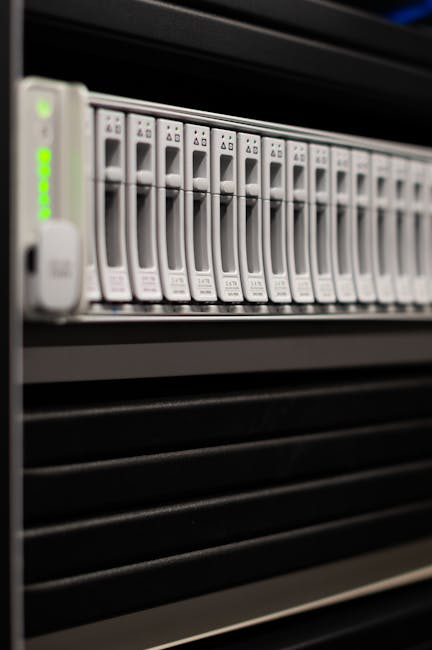
In today’s fast-paced digital landscape, the ability to harness automatic data processing can be the key to staying ahead of the competition. Imagine streamlining your workflows, reducing errors, and making data-driven decisions in real-time—all thanks to automation. This article will explore what automatic data is, its myriad benefits, and how it can be effectively integrated into your business strategy. Whether you’re a small startup or a large enterprise, understanding automatic data processing can unlock new opportunities for efficiency and growth. Join us as we delve into the tools and techniques that can transform your data handling processes.
What is Automatic Data Processing?
Automatic data processing (ADP) refers to the use of computer systems to collect, store, and manipulate data with minimal human intervention. This technology streamlines operations, making it essential for businesses that rely on large volumes of information.
In today’s fast-paced environment, the ability to process data automatically can save significant time and resources. But what does this really mean for organizations?
ADP systems utilize algorithms and software to perform tasks that would traditionally require human effort. This includes data entry, data retrieval, and even complex analytics. By automating these processes, businesses can achieve greater accuracy and efficiency.
Imagine a scenario where a company needs to analyze customer data. Instead of sifting through spreadsheets manually, an automatic data processing system can quickly retrieve and analyze the necessary information. This not only speeds up the process but also reduces the risk of human error.
- Increased efficiency
- Reduced operational costs
- Enhanced data accuracy
The core of automatic data processing lies in its ability to handle vast amounts of data swiftly. Whether it’s through batch processing or real-time processing, ADP systems can manage information from various sources seamlessly.
Many businesses today use automated systems to improve customer relationship management (CRM) and supply chain operations. But how do these systems actually work?
ADP typically involves several key components:
| Component | Function |
|---|---|
| Data Input | Gathering data from various sources |
| Data Storage | Storing data in databases |
| Data Processing | Analyzing and transforming data |
| Data Output | Presenting data in a usable format |
Each component plays a vital role in ensuring that data flows smoothly from collection to analysis. The integration of these systems can lead to significant advancements in operational capabilities.
So, what are some of the benefits of using automatic data processing?
Firstly, ADP minimizes the time spent on manual tasks. This allows employees to focus on more strategic initiatives rather than routine data entry.
Secondly, the accuracy of processed data is greatly improved. Automated systems are less prone to errors compared to human workers, especially when handling repetitive tasks.
Lastly, ADP can provide valuable insights through advanced analytics. By analyzing data trends, businesses can make informed decisions that drive growth and efficiency.
In essence, automatic data processing is not just a trend; it’s a necessity for modern businesses aiming to thrive in a data-driven world.
Benefits of Automatic Data Processing in Business
Automatic data processing is revolutionizing how businesses operate today. By leveraging advanced computer systems, companies can streamline their operations and enhance productivity. But what exactly are the benefits of automating data processing?
First and foremost, automatic data processing saves time. Manual data entry is not only tedious but also prone to errors. With automated systems, data can be processed quickly and accurately, allowing employees to focus on more strategic tasks.
- Increased efficiency
- Reduced human error
- Cost savings
Moreover, automated systems can easily handle large volumes of data. Whether it’s customer information or sales figures, computers can quickly retrieve and process information, making it readily available for decision-making. This capability is crucial for businesses looking to stay competitive in a data-driven market.
Another significant advantage is the consistency that comes with automatic data processing. Unlike human operators, machines do not tire or lose focus. This means that the data processed is uniform and reliable, which is essential for maintaining quality standards.
| Benefit | Description |
|---|---|
| Efficiency | Processes data faster than manual entry. |
| Accuracy | Minimizes human error in data handling. |
| Cost-Effectiveness | Reduces labor costs associated with manual processing. |
Additionally, automatic data processing can enhance decision-making. With real-time data at their fingertips, business leaders can make informed choices quickly. Wouldn’t you agree that having accurate data available instantly is a game-changer?
Furthermore, the integration of automated systems with other technologies, like AIDC (Automatic Identification and Data Capture), further amplifies these benefits. AIDC technologies facilitate the seamless collection of data, which can then be processed automatically, ensuring a smooth workflow.
- Improved decision-making
- Seamless integration with existing systems
- Enhanced data security
In conclusion, the advantages of automatic data processing in business are substantial. From saving time and reducing errors to enhancing decision-making capabilities, the impact is clear. As technology continues to evolve, embracing these systems will be essential for businesses aiming to thrive in the modern landscape.
So, are you ready to transform your business processes with automatic data processing?
Types of Automatic Data Processing Systems
Automatic data processing systems are essential for handling vast amounts of information efficiently. These systems leverage technology to automate data collection, storage, and analysis. But what types of systems exist, and how do they function?
First, we have batch processing systems. These systems collect data over a specific period and process it all at once. For instance, think about payroll systems that process employee hours at the end of each pay period. This method is efficient for large volumes of data.
Next, we have real-time processing systems. Unlike batch systems, these process data instantly as it is received. A great example is online transaction processing (OLTP) systems used in banking. They allow immediate updates and retrieval of data, which is crucial for financial operations.
- Batch Processing Systems
- Real-Time Processing Systems
- Distributed Processing Systems
Another type is distributed processing systems. These systems work across multiple computers, allowing tasks to be divided and processed simultaneously. This is particularly useful for large organizations with extensive databases.
Then we have online analytical processing (OLAP) systems. These systems enable users to analyze data from multiple perspectives. They’re vital for business intelligence, helping companies make informed decisions based on complex data analysis.
| System Type | Description |
|---|---|
| Batch Processing | Processes data in large batches. |
| Real-Time Processing | Processes data instantly as it comes in. |
| Distributed Processing | Distributes tasks across multiple systems. |
| OLAP | Analyzes data from various perspectives. |
Lastly, we can’t forget about machine learning systems. These systems use algorithms to learn from data and improve processes over time. They are increasingly popular in various industries, from healthcare to finance, as they can identify patterns and make predictions.
Choosing the right automatic data processing system depends on your specific needs. Do you need speed? Consider real-time systems. Working with large datasets? Batch processing might be your best bet. Understanding the options available will help you make an informed decision.
- Machine Learning Systems
- Business Intelligence Tools
- Data Warehousing Solutions
Key Components of Automatic Data Processing
Automatic data processing (ADP) has revolutionized how businesses handle information. At its core, ADP utilizes computer systems to execute tasks that were once manual. This not only saves time but also enhances accuracy and efficiency.
In the world of data processing, several key components come into play. Understanding these components can help businesses leverage automatic data effectively.
First, let’s explore the role of data input systems. These systems capture and convert raw data into a format that computers can process. Technologies like AIDC (Automatic Identification and Data Capture) are essential here. They allow for real-time data retrieval, ensuring that information is current and relevant.
Next, we have data processing units. These are the brains of the operation, where the heavy lifting occurs. Computers analyze the input data, applying algorithms and logic to generate meaningful insights.
- Data Input Systems
- Data Processing Units
- Output Systems
Another crucial component is the output systems. Once data is processed, it needs to be presented in a usable form. This can include reports, dashboards, or even automated notifications. The goal here is to ensure that the processed data is easily accessible and actionable.
Integration with existing computer systems is also vital. Automatic data processing doesn’t exist in isolation. It must work seamlessly with other systems to maximize its effectiveness. This integration allows for smoother workflows and better data flow across departments.
| Component | Function |
|---|---|
| Data Input Systems | Capture and convert raw data |
| Data Processing Units | Analyze data using algorithms |
| Output Systems | Present processed data |
Finally, let’s not forget about data storage solutions. Once data has been processed, it needs a safe place to reside. Cloud storage or on-premises databases are commonly used to store this information securely. This ensures that data remains accessible for future analysis or decision-making.
In summary, the components of automatic data processing work together to streamline operations. From data input to storage, each part plays a critical role. By understanding these components, businesses can better implement ADP systems that meet their needs.
What are you waiting for? Embrace automatic data processing and watch your efficiency soar!
How Automatic Data Processing Works
Automatic data processing (ADP) is a powerful method that utilizes computers to manage, analyze, and transform data. In today’s fast-paced world, where time is of the essence, ADP can significantly streamline operations. But how does it actually work?
At its core, automatic data processing involves several key steps. First, data is collected from various sources. This could be anything from customer information to sales figures. Once gathered, the data is stored in a computer system for further processing.
Next, the systems employed for ADP analyze the data using algorithms. These algorithms can identify patterns and trends, enabling businesses to make informed decisions. Essentially, the more data you have, the better insights you can gain.
- Data Collection
- Data Storage
- Data Analysis
- Decision Making
But what happens after the analysis? The processed data is then retrieved and presented in a user-friendly format. This could include graphs, reports, or dashboards that visualize the findings. With this information at hand, organizations can respond quickly to market changes.
The role of automated systems cannot be overstated. They help reduce human error and increase efficiency. For instance, when handling large volumes of data, computers can process information much faster than a human ever could.
| Step | Description |
|---|---|
| Data Collection | Gathering data from various sources |
| Data Processing | Analyzing data to find trends |
| Data Retrieval | Presenting data in an understandable format |
With automatic data processing, businesses can save time and resources. Imagine having the ability to analyze customer behavior in real-time! This capability allows companies to tailor their marketing strategies effectively.
As we delve deeper, it’s important to understand the technologies behind ADP. Machine learning and artificial intelligence are increasingly playing a role in this field. These technologies enhance the ability of computers to process data more intelligently.
So, what are the benefits of using automatic data processing? Here are a few:
- Increased Efficiency
- Improved Accuracy
- Timely Decision Making
- Cost Reduction
In conclusion, automatic data processing is an essential tool for modern businesses. By leveraging computers and advanced systems, organizations can efficiently handle vast amounts of data. This not only saves time but also provides valuable insights that drive success. Are you ready to embrace the power of ADP?
Challenges in Automatic Data Processing Implementation
Implementing automatic data processing systems can be a game changer for businesses looking to enhance efficiency. However, it’s not without its challenges. Understanding these hurdles can help organizations navigate the complexities involved.
One significant challenge is the integration of new systems with existing infrastructure. Many businesses have legacy systems that may not easily communicate with modern automated solutions. This can lead to data silos, where valuable information is locked away and not utilized effectively.
Another issue is the sheer volume of data that needs to be processed. As data grows exponentially, ensuring that automated systems can handle this influx without compromising performance is crucial. It’s a balancing act – how can you scale your processing capabilities while maintaining accuracy?
- Integration with legacy systems
- Volume of data processing
- Maintaining accuracy during automation
Moreover, the need for skilled personnel to manage these systems cannot be overlooked. While automation reduces the need for manual intervention, having experts who understand both the technology and the data is vital. They ensure that the systems are functioning correctly and that the data retrieved is reliable.
Security is another pressing concern. Automated data processing systems can be vulnerable to cyber threats. Protecting sensitive information while allowing for efficient processing is a tightrope walk that requires robust security measures.
| Challenge | Description |
|---|---|
| Integration Issues | Difficulty in connecting new systems with legacy infrastructure. |
| Data Volume | Managing the exponential growth of data while ensuring performance. |
| Skilled Personnel | Need for experts to oversee and manage automated systems. |
| Security Risks | Vulnerability to cyber threats while processing sensitive data. |
It’s also important to consider the adaptability of these systems. As business needs change, so too must the data processing capabilities. Can your current system scale and evolve? Flexibility is key in a world where data requirements can shift rapidly.
Finally, compliance with regulations adds another layer of complexity. Different industries have various standards for data handling. Ensuring your automatic data processing systems adhere to these regulations is not just a legal requirement but also essential for maintaining customer trust.
In summary, while automatic data processing has the potential to revolutionize how businesses operate, it comes with its share of challenges. From integration and skilled personnel needs to security and compliance, each factor plays a critical role in successful implementation. How prepared is your organization to tackle these challenges?
Real-Time vs. Batch Automatic Data Processing
When it comes to automatic data processing, two primary methods stand out: real-time and batch processing. Each has its unique strengths and weaknesses, making them suitable for different applications and business needs.
Real-time data processing is all about immediacy. It allows systems to process data as it is created, ensuring that information is available almost instantaneously. This is particularly useful in scenarios like online transactions, where quick decision-making is crucial. Imagine a computer system that can analyze user behavior on a website in real-time-this kind of responsiveness can significantly enhance user experience.
On the flip side, batch processing involves collecting data over a period before processing it as a single batch. This method is often used in scenarios where immediate results aren’t necessary. For instance, companies might process payroll at the end of the month rather than daily.
- Real-Time Processing: Instant data availability.
- Batch Processing: Processes data in groups.
- Use Cases: Online transactions vs. payroll processing.
The choice between real-time and batch processing often depends on the specific needs of a business. Real-time systems require robust infrastructure and can be more costly to implement. However, the value they provide in terms of timely insights can far outweigh these costs.
Batch processing, while less immediate, is typically more cost-effective and easier to manage. It can handle large volumes of data without the need for constant monitoring. But, does this mean it’s always the better choice? Not necessarily.
| Feature | Real-Time Processing | Batch Processing |
|---|---|---|
| Speed | Immediate | Delayed |
| Cost | Higher | Lower |
| Use Cases | Live analytics, transactions | Monthly reports, payroll |
As technology evolves, the lines between these two methods may blur. With advancements in machine learning and automated systems, businesses can find hybrid solutions that capitalize on the strengths of both approaches.
For example, an automated data processing system might use real-time analytics to inform batch processes. This means that while data is gathered continuously, it can also be analyzed at intervals to provide deeper insights.
In conclusion, understanding the differences between real-time and batch automatic data processing is crucial for businesses looking to optimize their operations. Which method suits your needs best? The answer lies in your specific requirements and goals.
Applications of Automatic Data Processing Across Industries
Automatic data processing has revolutionized how industries manage and utilize data. From healthcare to finance, the integration of automated systems has streamlined operations, leading to increased efficiency and accuracy. But how exactly do these systems work, and what are their specific applications?
In healthcare, for example, automatic data processing systems aid in managing patient records. These systems retrieve and process vast amounts of information quickly, allowing healthcare providers to focus on patient care rather than administrative tasks.
- Streamlining patient records
- Enhancing diagnostic accuracy
- Improving patient care efficiency
In the financial sector, businesses utilize automatic data processing to handle transactions and analyze market trends. Computers process data in real-time, enabling quick decision-making. This capability is crucial for maintaining a competitive edge in a fast-paced environment.
Moreover, industries like retail benefit from automated systems to manage inventory and sales data. By utilizing data processing, retailers can predict trends and optimize stock levels, ensuring they meet customer demand without overstocking.
| Industry | Application |
|---|---|
| Healthcare | Patient record management |
| Finance | Transaction processing |
| Retail | Inventory management |
Another significant area is manufacturing, where automatic data processing enhances production efficiency. Machines equipped with automated systems can monitor output, adjust operations, and even predict maintenance needs. This proactive approach saves time and reduces downtime.
In addition, the use of automatic data systems in logistics helps track shipments and optimize routes. By processing data from various sources, companies can ensure timely deliveries and reduce operational costs.
- Increasing production efficiency
- Optimizing delivery routes
- Reducing operational costs
The applications of automatic data processing are vast and varied. As technology continues to advance, we can expect even more innovative uses across different sectors. Wouldn’t it be exciting to see how these systems evolve?
Overall, the benefits of automatic data processing are clear. By leveraging automated systems, industries can enhance productivity, improve accuracy, and ultimately deliver better services to their customers. It’s a game-changer in today’s data-driven world.
The Role of Software in Automatic Data Processing
In today’s fast-paced world, the role of software in automatic data processing cannot be overstated. As businesses and organizations generate vast amounts of data, having the right systems in place to manage that data efficiently is crucial. But how does software fit into this picture?
Automatic data processing refers to the use of technology to collect, manipulate, and analyze data without human intervention. This is where computers come into play. They are designed to handle large volumes of information quickly and accurately. With the right software, data can be retrieved, processed, and presented in a matter of seconds.
One of the most significant benefits of using software for automatic data processing is the time it saves. With automated systems, tasks that once took hours or even days can now be completed in minutes. This efficiency allows organizations to focus on more strategic initiatives rather than getting bogged down in manual data entry or analysis.
Consider how industries like finance, healthcare, and retail rely on automated data processing. They use sophisticated algorithms and machine learning to analyze trends, predict outcomes, and make informed decisions.
- In finance, software can help detect fraudulent transactions in real-time.
- Healthcare systems utilize data processing to improve patient care and streamline operations.
- Retail companies analyze customer behavior to optimize inventory and marketing strategies.
Software solutions like AIDC (Automatic Identification and Data Capture) are particularly valuable. These systems help in scanning, capturing, and processing data from various sources. Think about barcodes and RFID tags; they automatically feed data into systems, reducing the chances of errors that come with manual entry.
Moreover, the integration of machine learning technologies enhances the capabilities of data processing systems. By learning from past data, these systems can improve their accuracy over time. This creates a feedback loop where the more data they process, the smarter they become.
Here’s a simple comparison of traditional vs. automated data processing:
| Traditional Processing | Automated Processing |
|---|---|
| Manual data entry | Real-time data capture |
| High error rates | Minimal errors |
| Time-consuming | Fast processing |
As we move further into the digital age, the importance of software in automatic data processing will only grow. It’s not just about having data; it’s about how effectively you can process and utilize it to drive decisions.
In conclusion, leveraging the right software solutions for automatic data processing can transform how organizations operate. It enhances efficiency, reduces errors, and ultimately leads to better decision-making. Are you ready to embrace the future of data processing?
In conclusion, the integration of automatic data processes into various sectors is not merely a trend but a necessity for businesses aiming to thrive in a data-driven landscape. The efficiency gained through automation is undeniable; it allows organizations to process vast amounts of information with remarkable speed and accuracy, freeing up valuable human resources for more strategic tasks. As we continue to witness advancements in technology, including artificial intelligence and machine learning, the potential for automatic data solutions will only expand, making them more accessible and effective for users across all industries.
Moreover, businesses that embrace automatic data solutions will find themselves better equipped to make informed decisions, enhance customer experiences, and drive innovation. By leveraging real-time insights, companies can respond to market changes more swiftly and effectively, ensuring they stay ahead of their competitors. The importance of data integrity and security cannot be overlooked, and as organizations implement automatic data systems, they must also prioritize robust security measures to protect sensitive information.
As we move forward, the ability to harness automatic data will define the next generation of successful enterprises. The key lies in understanding how to implement these solutions effectively and align them with broader business strategies. Organizations should invest in training and development to ensure their teams are well-versed in utilizing automatic data tools, fostering a culture of continuous improvement and innovation.
Ultimately, the future of business is intrinsically linked to how well we can automate data processes. Those who adapt and innovate will not only survive but will thrive in an increasingly competitive marketplace. Embracing automatic data is not just about keeping pace with technological advancements; it is about leading the charge towards a more efficient, data-driven future. As we look ahead, let us commit to exploring the vast possibilities that automatic data presents, unlocking new pathways to growth and success for our organizations.
Leave a Reply