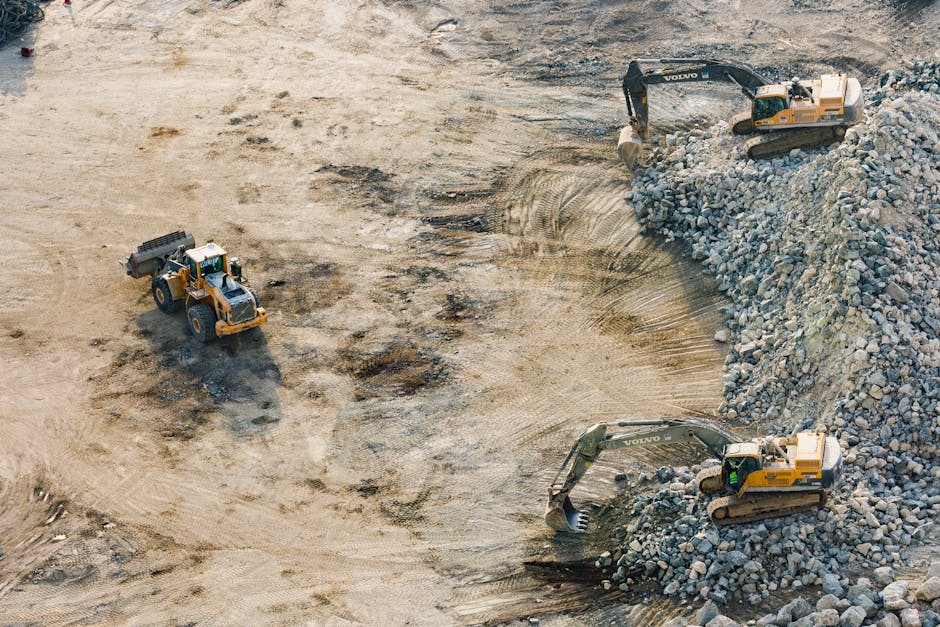
In the ever-evolving world of construction, managing a project effectively can mean the difference between success and failure. With numerous moving parts, from budgeting and scheduling to team coordination and risk management, understanding the intricacies of construction project management is crucial. This article will guide you through the core principles and phases of construction project management, equipping you with the knowledge to navigate challenges and enhance efficiency. Whether you’re a seasoned professional or just starting, you’ll find valuable insights that can transform how you approach your projects. Prepare to unlock the secrets of successful construction management and elevate your project outcomes.
What Is Construction Project Management?
Construction project management is a crucial discipline that ensures construction projects are completed on time, within budget, and to the required quality standards. It involves the planning, coordination, and control of a project from inception to completion.
At its core, construction project management combines various elements such as design, planning, and execution. It serves as the bridge between the project owner and the contractor, ensuring that both parties’ needs are met throughout the project’s lifecycle.
So, what does the construction project management process look like? It typically includes several key phases:
- Initiation
- Planning
- Execution
- Monitoring and Control
- Closure
Each phase plays a vital role in the overall success of a project. For instance, during the initiation phase, project goals and feasibility are assessed. This sets the foundation for effective project management.
In the planning phase, detailed strategies are developed. This includes resource allocation, scheduling, and risk management. Effective planning can significantly reduce the chances of project delays and budget overruns.
| Phase | Description |
|---|---|
| Initiation | Defining project goals and feasibility. |
| Planning | Developing detailed strategies for execution. |
| Execution | Implementing the project plan. |
| Monitoring | Tracking progress and making adjustments. |
| Closure | Finalizing all activities and documentation. |
During execution, the project manager coordinates tasks and oversees the work of contractors and subcontractors. This is where the rubber meets the road; effective communication and leadership are essential to keep everything on track.
Monitoring and control are ongoing processes that help identify any issues early. This might involve adjusting schedules or reallocating resources to address unforeseen challenges. Have you ever wondered how project managers keep everything in check? It’s all about being proactive!
Finally, the closure phase wraps everything up. It includes evaluating project outcomes, documenting lessons learned, and ensuring all contractual obligations are met. This phase is crucial for the owner, as it determines the project’s long-term success.
In summary, construction project management is a multifaceted process that requires a blend of skills and expertise. From planning to execution and closure, each step is vital to delivering a successful construction project.
Key Phases of a Construction Project
Managing a construction project involves several key phases that ensure everything runs smoothly from start to finish. Understanding these phases is crucial for owners, contractors, and project managers alike. Each phase has its unique challenges and requirements, but they all contribute to the successful completion of a construction project.
The first phase is the planning phase. This is where the vision of the project begins to take shape. Owners and stakeholders outline their goals, budget, and timeline. During this phase, detailed plans are developed, including architectural designs and project specifications.
Effective planning sets the foundation for the entire construction project. It also allows for early identification of potential risks and challenges. Have you ever wondered how a project stays on track? It all starts with a solid plan!
- Define project scope
- Establish budget and timeline
- Identify key stakeholders
Next up is the design phase. Here, architects and engineers collaborate to create detailed drawings and specifications. This phase is essential as it translates the initial ideas into actionable plans. It often involves multiple revisions based on feedback from the owner and other stakeholders.
Once the design is finalized, the project moves into the procurement phase. This is where contractors are selected, and materials are sourced. Choosing the right contractor is vital for the project’s success. After all, they will be responsible for executing the plans laid out in the previous phases.
| Phase | Key Activities |
|---|---|
| Planning | Define scope, budget, timeline |
| Design | Create detailed drawings |
| Procurement | Select contractors, source materials |
After procurement, we enter the construction phase. This is where all the planning and design come to life. Contractors and their teams begin the physical work on site. Effective project management during this phase is crucial to ensure that the work is completed on time and within budget.
Communication is key during construction. Regular updates and meetings help keep everyone aligned. It’s important to address any issues as they arise. Have you thought about how on-site challenges can impact the overall timeline?
- Monitor progress
- Ensure quality control
- Address issues promptly
Finally, we reach the completion phase. This is when the project is wrapped up, and final inspections are conducted. The owner will typically review the work to ensure it meets their expectations and the agreed-upon standards.
Once everything is approved, the project is handed over to the owner. This phase often includes a final report outlining the project’s successes and any lessons learned. Reflecting on what went well-and what didn’t-can greatly benefit future construction projects.
Roles in Construction Project Management Team
In any construction project management endeavor, the team plays a pivotal role in ensuring everything runs smoothly. Each member has specific responsibilities that contribute to the overall success of the project. So, who are these key players?
First and foremost, we have the project manager. This individual oversees the entire construction project, ensuring that timelines, budgets, and quality standards are met. They act as the primary point of contact between the owner and the contractor, facilitating communication and decision-making.
Next up is the construction manager. Often confused with the project manager, this role is more focused on the day-to-day operations on the construction site. They ensure that the work is being executed according to the project plan and specifications.
- Project Manager: Oversees the project.
- Construction Manager: Manages site operations.
- Owner: The project initiator and financier.
The owner is another critical figure in construction project management. They provide the vision and financial backing for the project. Their decisions can significantly influence the project’s direction, from design choices to budget adjustments.
Then we have the contractor. This role is responsible for the actual construction work. Contractors hire subcontractors, manage labor, and ensure that materials are available on-site. They are the backbone of the construction effort, translating plans into reality.
| Role | Responsibility |
|---|---|
| Project Manager | Oversees project execution |
| Construction Manager | Manages daily site operations |
| Owner | Provides vision and funding |
| Contractor | Executes construction work |
Each team member’s role is interconnected, and communication is key. For instance, the project manager needs to keep the owner informed about progress, while the construction manager must relay any issues back to the project manager.
What about the design team? They create the blueprints and specifications that guide the entire construction process. Their input is essential during the planning phase, ensuring that the project meets both aesthetic and functional requirements.
The safety officer is another vital role. This person ensures that all safety regulations are followed on the site, protecting workers and minimizing risks. Safety cannot be overlooked in construction project management, as incidents can lead to delays and increased costs.
- Design Team: Creates project blueprints.
- Safety Officer: Ensures site safety.
- Subcontractors: Handle specialized tasks.
Finally, don’t forget about subcontractors. These specialists are often hired by the contractor to perform specific tasks, such as electrical work or plumbing. They bring expertise that is crucial for the project’s success.
In summary, understanding the roles in a construction project management team is essential for a successful project. Each member contributes uniquely, ensuring that the project moves forward according to plan. By fostering collaboration among these roles, you can enhance the efficiency and effectiveness of your construction efforts.
Types of Construction Management Contracts Explained
When embarking on a construction project, understanding the various types of management contracts is crucial. Each contract type has its own unique structure, benefits, and challenges. So, how do you choose the right one for your project?
In essence, construction project management contracts can be categorized into several types, including lump sum, cost-plus, and time and materials contracts. Let’s delve into each type to see how they function.
- Lump Sum Contracts: These contracts involve a fixed price for the entire project. This means that the contractor agrees to complete the work for a specific amount, regardless of the actual costs incurred.
- Cost-Plus Contracts: Here, the owner agrees to pay for all construction costs plus a predetermined fee. This can be beneficial for projects where the scope is uncertain.
- Time and Materials Contracts: This contract type charges the owner for the actual time spent and materials used. It’s often used when project specifications are not well-defined.
Lump sum contracts are generally preferred for projects with a clear scope and timeline. They offer predictability in budgeting, which is a significant advantage for owners. However, they can be risky for contractors if unexpected issues arise.
On the other hand, cost-plus contracts provide flexibility. They allow for adjustments as the project evolves, but they can lead to higher costs if not managed properly. The challenge lies in ensuring that the project management team keeps expenses in check.
| Contract Type | Best For |
|---|---|
| Lump Sum | Projects with clear scope |
| Cost-Plus | Projects with uncertain scope |
| Time and Materials | Projects with evolving requirements |
Time and materials contracts can be a double-edged sword. They provide the flexibility needed for projects that change frequently, but they can also lead to budget overruns if not monitored closely.
Choosing the right contract type hinges on several factors, including project size, complexity, and the relationship between the owner and contractor. It’s essential to have a clear plan and open lines of communication to avoid potential pitfalls.
- Consider the Project Scope: Is it well-defined or likely to change?
- Evaluate Financial Risks: Who bears the risk of cost overruns?
- Assess the Relationship: Is there trust between the owner and contractor?
Ultimately, understanding the types of construction management contracts is key to successful project execution. By aligning your contract choice with your project goals and expectations, you can set the stage for a smoother construction process.
Understanding Construction Project Delivery Methods
In the world of construction project management, the delivery method you choose can significantly impact the outcome of your project. Understanding these methods is essential for owners and contractors alike.
So, what are the primary construction project delivery methods? Generally, they can be categorized into three main types: Design-Bid-Build, Design-Build, and Construction Management at Risk (CMAR). Each has its unique features and advantages.
- Design-Bid-Build: This traditional method involves three distinct phases: design, bidding, and construction.
- Design-Build: Here, a single entity manages both the design and construction phases, promoting collaboration.
- Construction Management at Risk: In this method, a construction manager is involved early in the project, providing input during the design phase.
The Design-Bid-Build method is often favored for its clarity. The owner hires a designer to create the plans, then bids are solicited from contractors to execute the work. This method allows for competitive pricing but can lead to delays if disputes arise between the contractor and designer.
On the other hand, the Design-Build method fosters teamwork. Since one entity handles both design and construction, communication improves, potentially leading to faster project completion. However, it requires trust between the owner and the contractor.
| Delivery Method | Advantages |
|---|---|
| Design-Bid-Build | Clear separation of design and construction phases, competitive bidding |
| Design-Build | Improved collaboration, faster project delivery |
| Construction Management at Risk | Early involvement of construction manager, better cost control |
The CMAR method is particularly beneficial for larger or more complex projects. It allows the owner to have a partner in the construction manager, who can offer insights during the design phase. This collaboration can help mitigate risks and manage costs effectively.
When selecting a delivery method, consider the project type, budget, and timeline. Each method has its pros and cons, and understanding them is key to effective project management.
In summary, knowing the differences between these construction project delivery methods can greatly influence your project’s success. As an owner or contractor, being informed allows you to make better decisions that align with your project’s goals.
Which method do you think would work best for your next construction project? The answer often lies in the specific needs and circumstances of your project.
Essential Construction Project Management Processes
Effective construction project management involves a series of structured processes that ensure projects are delivered on time and within budget. Understanding these processes is crucial for owners, contractors, and project managers alike.
First and foremost, planning is the foundation of any successful construction project. It involves defining the project scope, objectives, and deliverables. A well-thought-out plan helps align the entire team and sets clear expectations.
- Define project goals
- Establish timelines
- Determine budget constraints
Once the planning phase is complete, the next step is to organize resources effectively. This includes selecting the right contractors and subcontractors, as well as allocating materials and equipment. Proper organization minimizes delays and maximizes efficiency.
Communication plays a vital role throughout the project lifecycle. Regular updates and meetings among all stakeholders help in addressing issues promptly. After all, wouldn’t you agree that clear communication can prevent many misunderstandings?
| Process | Importance |
|---|---|
| Planning | Sets project direction |
| Resource Management | Optimizes efficiency |
| Communication | Prevents misunderstandings |
Another critical process is risk management. Identifying potential risks early allows project managers to develop strategies to mitigate them. This proactive approach can save time and costs down the road.
Moreover, monitoring and controlling the project’s progress is essential. This involves tracking activities against the project plan and making necessary adjustments. Are you keeping an eye on your project milestones?
- Identify potential risks
- Develop mitigation strategies
- Regularly review project progress
Finally, closing the project involves ensuring all deliverables meet the required standards and that stakeholders are satisfied. This phase also includes finalizing contracts and conducting a project review to capture lessons learned for future projects.
In summary, mastering these essential construction project management processes can significantly enhance the likelihood of project success. Whether you’re an owner, contractor, or project manager, understanding these steps will help you navigate the complexities of construction projects with confidence.
The 5 Stages of Construction Project Management
Understanding the stages of construction project management is crucial for ensuring that projects run smoothly and efficiently. Each stage plays a vital role in the overall success of a construction project. Let’s break it down.
The first stage is initiation. This is where the project begins to take shape. Key stakeholders, including the owner and contractor, come together to define the project’s goals and objectives. This stage often involves feasibility studies and initial budgeting.
During initiation, it’s essential to assess the project’s scope. What are the requirements? Who will be involved? This is the groundwork for effective planning.
- Identify stakeholders
- Define project objectives
- Conduct feasibility studies
Next comes the planning stage. This is where detailed strategies are developed. A comprehensive project management plan outlines timelines, resource allocation, and budget forecasts. Think of it as the blueprint for the project.
Planning is not just about creating timelines; it’s about anticipating challenges. How will you handle potential delays? What contingencies are in place? These questions are vital for effective project management.
| Planning Elements | Description |
|---|---|
| Timeline | Schedule for project completion |
| Budget | Estimated costs and resources |
Once planning is complete, it’s time for the execution stage. This is where the real work happens. Contractors and teams begin to implement the plans laid out earlier. It’s a dynamic phase filled with activity.
During execution, effective communication is crucial. Regular updates and meetings help keep everyone informed and aligned. How do you ensure that everyone is on the same page? Consistent check-ins and progress reports are key.
- Monitor progress
- Adjust plans as needed
- Facilitate communication
The fourth stage is monitoring and control. This phase runs concurrently with execution. It involves tracking the project’s progress against the plan. Are you on schedule? Is the budget being adhered to?
Monitoring allows for adjustments to be made in real-time. If issues arise, prompt action can prevent them from escalating. It’s about staying agile and responsive throughout the project’s lifecycle.
| Monitoring Tasks | Purpose |
|---|---|
| Progress Tracking | Ensure adherence to timeline |
| Budget Review | Maintain financial control |
Finally, we reach the closure stage. This is where the project wraps up, and all loose ends are tied. Final inspections are conducted, and any necessary documentation is completed.
Closure is not just about finishing the work; it’s also about evaluating the project’s success. What went well? What could be improved for future projects? This reflection is invaluable for ongoing growth in construction project management.
- Conduct final inspections
- Complete documentation
- Evaluate project performance
Benefits of Construction Project Management Software
Construction project management software has become an essential tool for professionals in the industry. It streamlines processes, enhances communication, and ultimately leads to the successful completion of projects. But what exactly are the benefits of using such software?
First and foremost, these tools help in efficient planning. With features that allow for resource allocation, scheduling, and budgeting, project managers can create detailed plans that are easy to follow. This level of organization can prevent costly delays and keep projects on track.
Additionally, construction project management software facilitates better collaboration among team members. Whether you’re a contractor, owner, or designer, having a centralized platform for communication can eliminate misunderstandings. Everyone stays informed about project updates, deadlines, and changes.
- Improved communication
- Centralized project information
- Enhanced collaboration among teams
Moreover, using this software can significantly reduce paperwork. Traditional methods often involve mountains of documents, which can be cumbersome to manage. Digital solutions allow for easy storage and retrieval of important files, making the entire process more efficient.
Another key benefit is the ability to track progress in real time. With construction project management software, you can monitor the status of tasks, budgets, and timelines. This transparency not only helps in identifying potential issues early but also provides a clear overview of your project’s health.
| Benefit | Description |
|---|---|
| Efficiency | Streamlines planning and execution processes. |
| Collaboration | Enhances teamwork through shared platforms. |
| Tracking | Real-time updates on project status. |
But that’s not all. Construction project management software also aids in budget management. With integrated financial tools, you can keep track of expenses and ensure that projects stay within budget. This is especially crucial for project owners who want to maximize their investment.
In conclusion, the benefits of construction project management software are numerous. From better planning and collaboration to efficient tracking and budgeting, these tools elevate the way projects are managed. So, if you’re still relying on outdated methods, it might be time to consider making the switch. After all, wouldn’t you want to make your construction projects as seamless as possible?
Top Tools for Construction Project Management
In the world of construction project management, having the right tools can make all the difference. Whether you’re a contractor, project manager, or owner, effective tools can streamline your workflow and improve communication. But what should you consider when selecting tools for construction projects?
First and foremost, project management software is essential. These platforms help you plan, execute, and monitor your projects efficiently. Popular options include:
- Procore
- Buildertrend
- Asana
- Monday.com
Each of these tools offers unique features tailored to the construction industry. They can help you manage schedules, budgets, and team collaboration, ensuring that everyone is on the same page.
Another crucial aspect of construction project management is communication. Tools like Slack or Microsoft Teams can facilitate real-time discussions among team members. This is especially important when dealing with changes in design or unexpected issues on-site.
Additionally, document management systems are vital. They allow you to store, share, and access important files, such as contracts and blueprints. Consider using tools like:
| Tool | Features |
|---|---|
| Dropbox | File storage and sharing |
| Google Drive | Collaboration and cloud storage |
These tools not only help in organizing documents but also ensure that everyone has access to the latest information.
When it comes to budgeting, construction project management tools can also assist in tracking expenses. This helps prevent cost overruns and ensures that projects stay within budget.
So, are you ready to enhance your construction project management with these tools? With the right software and systems in place, your projects can run more smoothly and efficiently than ever before.
In conclusion, effective construction project management is not just about keeping projects on schedule and within budget; it is about fostering collaboration, enhancing communication, and ensuring quality at every stage of the construction process. As the industry continues to evolve with advancements in technology and methodologies, the role of a construction project manager becomes increasingly critical. By embracing tools such as Building Information Modeling (BIM), project management software, and effective risk management strategies, construction professionals can navigate the complexities of modern projects more efficiently. Furthermore, the integration of sustainable practices and a focus on safety not only help in delivering successful projects but also contribute to the broader goal of creating resilient and environmentally responsible infrastructures. As you embark on your next construction endeavor, remember that the foundation of successful project management lies in meticulous planning, continuous learning, and a commitment to excellence. By prioritizing these elements, you can ensure that your projects not only meet their objectives but also leave a lasting positive impact on the communities they serve.
Leave a Reply