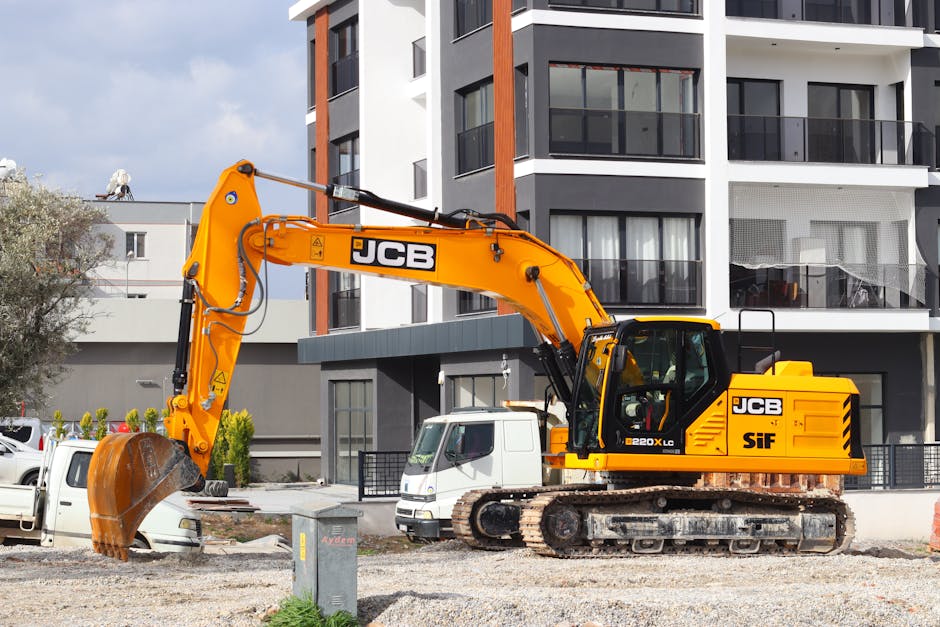
In the fast-paced world of construction, managing projects efficiently can make or break your success. With the right construction management software, you can ensure that your projects are delivered on time and within budget, while also fostering seamless communication among your teams. This article will guide you through the best construction management tools available today, highlighting their core features, scalability, and how they can transform your project workflows. Get ready to elevate your construction projects and drive your business forward with the right software solutions.
What Is Construction Management Software?
Construction management software is a powerful tool designed to streamline the complex processes involved in managing construction projects. It encompasses a variety of features that assist project managers in planning, executing, and closing projects effectively.
At its core, construction management software helps teams coordinate tasks, manage resources, and track progress in real-time. This software is essential for any construction management team aiming to enhance efficiency and productivity.
Why is it so crucial? Well, construction projects often involve multiple stakeholders, tight deadlines, and strict budgets. Without proper management tools, keeping everything organized can be a daunting task.
Here are some key features commonly found in construction management software:
- Project scheduling
- Budget tracking
- Document management
- Field reporting
- Collaboration tools
These features work together to ensure that every aspect of a project is monitored and controlled. For example, project scheduling tools help teams allocate resources efficiently, while budget tracking features keep expenses in check.
Moreover, the software often includes mobile applications, allowing field workers to update project statuses on the go. This real-time data collection is invaluable for teams that need to make quick decisions.
When evaluating construction management software, consider how it can fit into your existing workflows. Here’s a simple table to help you compare some popular options:
| Software Name | Key Features |
|---|---|
| Procore | Project management, budgeting, scheduling |
| Buildertrend | Customer management, scheduling, invoicing |
| PlanGrid | Blueprint management, field reports |
Choosing the right construction management software can significantly impact the success of your projects. Look for tools that not only meet your immediate needs but also have the flexibility to grow with your organization.
In conclusion, construction management software is more than just a set of tools; it’s a comprehensive solution that can transform how your team operates. With the right software, you can minimize delays, reduce costs, and ultimately deliver successful projects.
So, are you ready to take your construction projects to the next level?
Core Features of Construction Management Software
When it comes to managing construction projects, the right tools can make all the difference. Construction management software is designed to streamline processes, enhance collaboration, and improve overall efficiency. But what exactly are the core features you should look for?
First, let’s talk about scheduling. A robust scheduling feature allows you to create, manage, and adjust timelines for various tasks and milestones. This ensures that all team members are on the same page and helps prevent costly delays.
- Task assignment and tracking
- Gantt charts for visual representation
- Integration with calendars
Next up is project budgeting. Effective construction management software should provide tools for tracking expenses and managing budgets. This feature helps you keep your financials in check, ensuring that projects stay within budget.
Furthermore, communication tools are essential. With various stakeholders involved in construction projects, clear communication is crucial. Look for software that offers messaging, file sharing, and real-time updates to keep everyone informed.
| Feature | Benefit |
|---|---|
| Scheduling | Keeps projects on track |
| Budgeting | Prevents overspending |
| Communication | Enhances collaboration |
Another vital feature is document management. Construction projects generate a lot of paperwork, from blueprints to contracts. A good management software will help you store, organize, and retrieve documents easily, ensuring that everyone has access to the latest information.
Additionally, mobile accessibility is becoming increasingly important. With teams often working in the field, having a mobile-friendly interface allows for real-time updates and communication, no matter where you are.
- Cloud-based storage for easy access
- Mobile app for on-the-go management
- Offline capabilities for remote areas
Lastly, consider integration capabilities. Your construction management software should easily integrate with other tools you’re already using, such as accounting software or customer relationship management (CRM) systems. This interoperability can significantly enhance your workflow.
In conclusion, when searching for construction management software, focus on these core features: scheduling, budgeting, communication, document management, mobile access, and integration. By prioritizing these aspects, you’ll be better equipped to manage your construction projects effectively.
Top 10 Construction Management Software in 2026
In 2026, the landscape of construction management software has evolved significantly. With increasing demands for efficiency and collaboration, choosing the right tools can make all the difference in project success. Let’s explore the top contenders that are shaping the industry today.
One of the most important aspects of construction management software is its ability to streamline project workflows. These tools help teams manage tasks, schedules, and budgets, ensuring that every project runs smoothly. But what should you look for when evaluating these software solutions?
- Ease of use
- Integration capabilities
- Collaboration features
- Reporting and analytics
The first software on our list is Procore. Known for its user-friendly interface, Procore offers comprehensive features for project management, including scheduling, budgeting, and field communication. Its ability to integrate with other tools makes it a favorite among construction professionals.
Next up is PlanGrid. This software excels in document management and field collaboration. With its mobile capabilities, teams can access blueprints and project documents on-site, ensuring everyone stays informed.
Another strong contender is Buildertrend. It combines project management and customer relationship management (CRM) into one platform. This dual approach helps contractors manage client relationships while keeping projects on track.
CoConstruct is also noteworthy. It focuses on custom home builders and remodelers, offering unique features that cater specifically to their needs. From budgeting to client communications, CoConstruct is designed to enhance the entire construction process.
| Software | Key Features |
|---|---|
| Procore | User-friendly, comprehensive project management |
| PlanGrid | Document management, mobile access |
| Buildertrend | Project management and CRM integration |
| CoConstruct | Custom home building and remodeling focus |
Moving on, e-Builder is tailored for owners and construction managers. It provides powerful tools for capital project management, making it easier to oversee multiple projects simultaneously.
Sage 300 Construction and Real Estate is another robust option. This software is ideal for larger firms, offering advanced financial management and reporting features. It’s designed to handle complex projects with ease.
Finally, we can’t overlook Fieldwire. This tool focuses on job site coordination, allowing teams to manage tasks and plans in real time. It’s particularly useful for teams that need to stay agile and responsive.
In summary, the right construction management software can significantly impact your project’s success. By evaluating these top options, you can find the perfect fit for your needs. Which software do you think will best streamline your construction projects?
Benefits of Using Construction Management Software
Construction management software has become a game-changer for the industry. It streamlines processes and enhances communication among teams. But what exactly are the benefits of utilizing such tools in your construction projects?
One of the primary advantages is improved project efficiency. With construction management software, you can automate repetitive tasks and reduce manual errors. This means your team can focus on what truly matters-delivering quality work on time.
Consider the following benefits:
- Enhanced collaboration among team members
- Real-time updates on project status
- Better resource allocation
- Improved budgeting and cost management
Moreover, scheduling becomes a breeze. With built-in scheduling features, you can create timelines that adapt to changes quickly. This adaptability helps in managing unforeseen delays and ensures that your projects stay on track.
Another key benefit is data centralization. All project-related information is stored in one location, making it easy to access and share. This reduces confusion and miscommunication, leading to smoother project execution.
| Feature | Benefit |
|---|---|
| Real-Time Reporting | Immediate insights into project performance |
| Document Management | Easy access to contracts, blueprints, and permits |
Additionally, using construction management software can significantly enhance accountability. With clear assignments and deadlines, every team member knows their responsibilities. This clarity not only boosts morale but also ensures that projects are completed efficiently.
But, is it just about efficiency? Not really. It’s also about enhancing safety on the job site. Many software solutions include features for tracking safety protocols and compliance. This helps in reducing accidents and keeping your team safe.
Finally, let’s talk about cost savings. By optimizing resource usage and minimizing delays, construction management software can lead to substantial financial savings. You might find that investing in this software pays off in the long run.
In conclusion, whether you are managing a small project or a large construction site, the benefits of construction management software are undeniable. From improved collaboration and scheduling to enhanced safety and accountability, these tools are essential for modern construction management.
So, are you ready to take your projects to the next level?
How to Choose the Right Construction Management Software
Choosing the right construction management software can feel overwhelming. With so many options available, how do you know which one fits your project needs best?
Start by identifying the specific features that are crucial for your construction projects. Do you need robust scheduling tools? Or perhaps a comprehensive project management dashboard? Understanding your requirements is the first step toward making an informed decision.
Here are some essential features to consider:
- Project scheduling capabilities
- Budget tracking and cost management
- Collaboration tools for field and office teams
- Document management systems
- Reporting and analytics
Next, consider the scalability of the software. As your business grows, your construction management software should grow with you. Look for tools that can accommodate increasing project sizes and complexity.
Another important aspect is user-friendliness. Your team will be using this software daily, so it should be intuitive. A complicated interface can lead to frustration and decreased productivity.
| Feature | Importance |
|---|---|
| Scheduling | High |
| Budget Tracking | High |
| Collaboration Tools | Medium |
When evaluating potential software options, take advantage of free trials or demos. This hands-on experience can give you a real feel for how the software operates.
Also, consider the level of customer support provided. A responsive support team can be invaluable when you encounter issues or have questions.
Finally, don’t forget to check user reviews and testimonials. Hearing from others in the industry can provide insights that you might not find in marketing materials.
In summary, choosing the right construction management software involves evaluating your project needs, assessing features, ensuring user-friendliness, and considering scalability.
By taking these steps, you’ll be well on your way to selecting a tool that enhances your project management capabilities and drives your construction projects to success.
Scalability in Construction Management Software Solutions
In the ever-evolving landscape of construction, scalability is a crucial factor when selecting the right management software. As your projects grow in complexity, so too must your tools. Construction management software that adapts to your changing needs can make all the difference.
When considering scalability, think about how the software can handle an increasing number of projects. Can it accommodate additional users without a hitch? A scalable solution ensures that as your team expands, your management software keeps pace.
Here are some key features to look for in scalable construction management software:
- Flexible user access
- Robust project tracking
- Integration with other tools
- Customizable dashboards
As your construction projects multiply, effective scheduling becomes more vital. Scalable management software should offer advanced scheduling tools that can handle multiple timelines while providing real-time updates. This ensures that everyone is on the same page, reducing the risk of miscommunication.
Additionally, consider the software’s ability to integrate with other platforms. Whether you’re using accounting software or field management tools, seamless integration can enhance your project management capabilities.
| Feature | Benefit |
|---|---|
| User Management | Easily add or remove team members |
| Project Templates | Quickly set up new projects |
| Reporting Tools | Gain insights into project performance |
Moreover, scalability also means being able to adapt to different project sizes. Whether you’re managing a small renovation or a large-scale construction project, your management software should cater to both.
Think about how often your needs might change. Will you be taking on larger projects in the near future? A scalable solution will not only support your current projects but also be ready for future growth.
Another critical aspect is the software’s ability to support mobile access. With many teams working in the field, having a solution that allows for on-the-go project management is invaluable. This feature enhances communication and ensures that everyone has access to the latest updates.
In conclusion, when evaluating construction management software, prioritize scalability. The right tools will not only support your current project management needs but will also grow with your business. By investing in scalable solutions, you’re setting your team up for long-term success.
So, are you ready to find the perfect construction management software that scales with your projects?
Challenges in Implementing Construction Management Software
Implementing construction management software can be a game changer for many companies, but it doesn’t come without its challenges. Understanding these hurdles is crucial for any organization considering such a transition.
One of the primary challenges is the resistance to change. Many teams are accustomed to traditional methods and may be hesitant to adopt new tools. This can result in pushback that slows down the implementation process.
Additionally, training staff on new software is not a trivial task. It’s essential that everyone involved in the project understands how to use the software effectively. Without proper training, the benefits of the construction management software could be lost.
- Resistance to change from employees
- Insufficient training programs
- Integration issues with existing systems
Another significant challenge is the integration of the software with existing systems. Many companies use a variety of tools for project management, scheduling, and field operations. Ensuring that the new software works seamlessly with these tools can be complicated.
Moreover, not all construction management software offers the same features. Companies must carefully assess their needs and choose a solution that aligns with their specific requirements. This can be overwhelming given the multitude of options available in the market.
| Key Features to Consider | Importance |
|---|---|
| User-Friendly Interface | High |
| Mobile Access | Medium |
| Real-Time Collaboration | High |
The choice of construction management software can also impact the overall efficiency of project scheduling. If the software lacks robust scheduling features, teams may struggle to meet deadlines and manage resources effectively.
Another aspect to consider is the cost of implementation. Budget constraints can limit the options available, forcing companies to compromise on features or support. This can lead to frustration down the line.
Ultimately, understanding these challenges can help companies prepare for a smoother transition. Engaging all stakeholders early in the process and providing adequate training can mitigate many of these issues.
Have you considered how your team will adapt? Addressing these questions upfront can make a significant difference in the success of your construction management software implementation.
Future Trends in Construction Management Software
The landscape of construction management software is evolving rapidly. As technology advances, the tools available for project management are becoming more sophisticated. This is not just about efficiency; it’s about enhancing collaboration and streamlining processes across the board.
One of the most notable trends is the integration of artificial intelligence (AI). AI can analyze vast amounts of data to predict project outcomes, identify potential risks, and optimize scheduling. Imagine being able to foresee delays before they happen! This capability can significantly reduce time and costs associated with construction projects.
- Enhanced data analytics for better decision-making
- AI-driven risk management tools
- Improved scheduling capabilities
Another trend to watch is the rise of mobile accessibility in construction management software. With teams often spread across various locations, having mobile tools allows project managers to stay connected. They can monitor progress, update schedules, and communicate with field teams in real-time.
This shift towards mobile solutions not only boosts productivity but also enhances accountability. Team members can log updates directly from the field, ensuring everyone is on the same page.
But what features should you look for in these evolving tools?
| Feature | Benefit |
|---|---|
| Cloud-based storage | Access documents anytime, anywhere |
| Real-time collaboration | Foster teamwork and communication |
| Automated reporting | Save time and reduce errors |
As we look ahead, sustainability is also becoming a crucial focus in construction management. Software tools are now being designed with features that help track energy consumption and waste management. This not only benefits the environment but can also lead to cost savings.
Moreover, the adoption of Building Information Modeling (BIM) is set to rise. BIM allows for a more detailed visualization of projects, enabling teams to plan better and avoid costly mistakes.
So, how do these trends impact your construction projects?
- Increased efficiency and reduced project timelines
- Better resource management and allocation
- Enhanced safety through predictive analytics
In conclusion, the future of construction management software is bright. By embracing these trends, companies can improve their project management capabilities, ultimately leading to more successful outcomes. Are you ready to leverage technology for your next construction project?
Leading Platforms for Construction Management Software
When it comes to construction management software, choosing the right platform is crucial. The right tools can streamline your project workflow, enhance team collaboration, and ultimately lead to successful project completion. With so many options available, how do you know which one is best for your needs?
Many platforms offer a range of features tailored to the unique challenges of construction projects. Here are some leading options to consider:
- Procore
- PlanGrid
- CoConstruct
- Buildertrend
- Smartsheet
Each of these tools brings something special to the table. For instance, Procore is known for its robust project management capabilities, while PlanGrid excels in field collaboration and document management.
When evaluating these platforms, consider the features that matter most to your team. Are you looking for advanced scheduling tools? Or perhaps you need a solution that integrates seamlessly with your existing systems?
Here’s a quick comparison of key features across some popular construction management software:
| Software | Key Features |
|---|---|
| Procore | Project management, budgeting, scheduling |
| PlanGrid | Field collaboration, document management |
| CoConstruct | Custom home building, client communication |
Selecting the right construction management software can significantly impact your project efficiency. Many teams find that having a centralized platform makes all the difference in keeping everyone on the same page.
What about integrations? Some software solutions offer integration with accounting tools, which can simplify your financial management. This can save time and reduce the risk of errors.
It’s also essential to consider user experience. A user-friendly interface can help your team adopt the software more quickly. After all, if the tools are complex, they might not be used to their full potential.
In addition to the features, think about customer support. A responsive support team can be a lifesaver when you encounter issues.
Here are some features to look for when choosing construction management software:
- Real-time project tracking
- Budget management tools
- Mobile access for field teams
- Document sharing capabilities
In conclusion, the right construction management software can transform the way you manage your projects. By carefully evaluating your options, you can find a platform that meets your specific needs and helps your team succeed.
Overview of Construction Project Management Tools
Construction project management software plays a crucial role in the successful execution of construction projects. These tools help streamline processes, improve communication, and enhance overall project efficiency. With so many options available, it can be overwhelming to choose the right software for your needs.
What should you look for in construction management software? Key features often include scheduling, budgeting, and resource allocation. These functionalities can help project managers stay on top of deadlines and costs.
- Scheduling: Keep track of project timelines.
- Budgeting: Monitor expenses and financial forecasts.
- Resource Allocation: Effectively distribute labor and materials.
Construction management tools also improve collaboration among team members. With features that facilitate communication between the field and office, everyone stays informed about project updates. This is vital for addressing issues as they arise.
The right software can significantly reduce the time spent on administrative tasks. By automating processes, project teams can focus on what truly matters-delivering high-quality construction projects on time and within budget.
| Feature | Benefit |
|---|---|
| Real-time Collaboration | Enhances communication and reduces delays. |
| Mobile Access | Allows field teams to update tasks on-the-go. |
When evaluating construction management software, consider your specific project needs. Different tools offer various functionalities, so it’s important to identify which features will benefit your workflow the most.
Ultimately, investing in the right project management software can lead to improved efficiency and higher quality outcomes in your construction projects. Are you ready to explore the options available?
In conclusion, the evolution of construction management software has revolutionized how projects are planned, executed, and monitored. As the industry continues to embrace digital transformation, the benefits of utilizing these advanced tools become increasingly apparent. From enhancing collaboration among teams to streamlining communication with stakeholders, construction management software empowers professionals to work more efficiently and effectively. By leveraging features such as real-time reporting, resource allocation, and budget tracking, project managers can make informed decisions that drive project success and profitability.
Moreover, the integration of mobile applications and cloud-based solutions allows for unprecedented accessibility and flexibility, enabling teams to manage tasks and access vital information from virtually anywhere. This adaptability is crucial in today’s fast-paced construction environment, where changes can happen at a moment’s notice. As we move forward, the importance of selecting the right construction management software cannot be overstated; it can mean the difference between a project that runs smoothly and one that faces significant delays and cost overruns.
Investing in robust construction management software not only mitigates risks but also enhances overall productivity, ultimately leading to higher client satisfaction and improved company reputation. As the industry continues to face challenges such as labor shortages and increased competition, the adoption of these innovative solutions will be key to staying ahead. To maximize the potential of construction management software, it’s essential for organizations to carefully evaluate their specific needs, choose a solution that aligns with their goals, and commit to ongoing training and support for their teams.
In summary, as the construction landscape evolves, so too must the tools we use to navigate it. Embracing construction management software is no longer a luxury but a necessity for those looking to thrive in this competitive field. By prioritizing technology that fosters collaboration, enhances efficiency, and drives project success, construction professionals can ensure they are well-equipped to tackle the challenges of today and tomorrow.
Leave a Reply