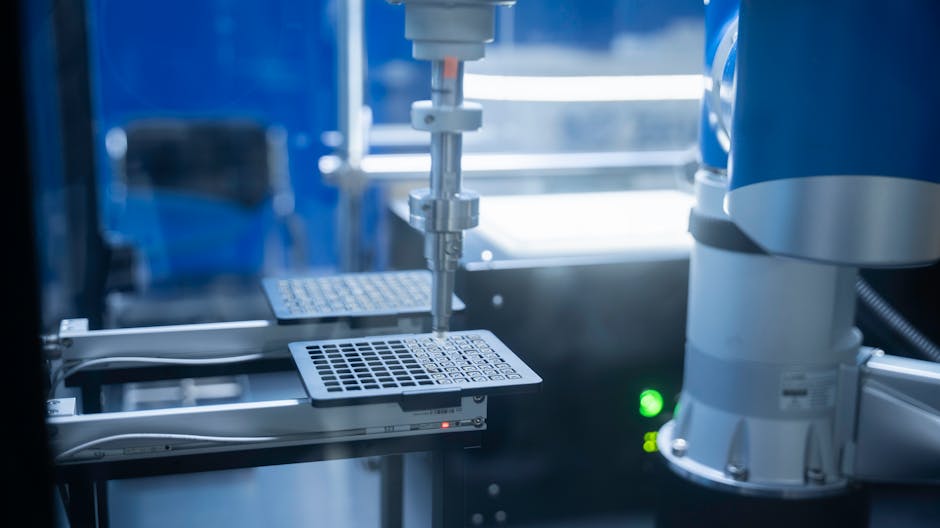
As we venture deeper into the age of technology, automation robots stand at the forefront, revolutionizing the way we work and live. From manufacturing floors to healthcare facilities, these innovative machines are designed to streamline tasks, boost efficiency, and reduce human error. In this article, we will explore the various types of automation robots, their applications across different sectors, and the immense benefits they offer. Join us on this journey to understand how automation robots are not just tools but integral partners in the future of work.
What Are Automation Robots and Their Uses?
Automation robots are machines designed to perform tasks with minimal human intervention. They utilize advanced technologies, including robotics and artificial intelligence (AI), to enhance efficiency and accuracy in various environments.
These robots can be found in numerous industries, including manufacturing, healthcare, and logistics. Their ability to streamline operations makes them invaluable assets. But what exactly do they do?
- Manufacturing: Assembling products and parts.
- Healthcare: Assisting in surgeries and patient care.
- Logistics: Managing inventory and shipping processes.
- Retail: Automating checkout processes.
- Agriculture: Harvesting crops and monitoring fields.
Automation robots can perform repetitive tasks with high precision. This reduces the risk of human error and allows for consistent quality in production. They can also work around the clock, increasing productivity significantly.
Have you ever wondered how robots manage to work tirelessly? The answer lies in their design and programming. Automation robots are equipped with sensors and software that enable them to adapt to changing conditions in their environments.
| Industry | Use Case |
|---|---|
| Manufacturing | Assembly lines |
| Healthcare | Medication dispensing |
| Logistics | Sorting packages |
In addition to enhancing productivity, automation robots also assist in data collection and analysis. They can gather information about processes and outcomes, helping businesses make informed decisions.
The integration of AI robotics further enhances their capabilities. With machine learning, these robots can improve their performance over time, adapting to new tasks and challenges without constant reprogramming.
So, what are the key benefits of using automation robots?
- Increased efficiency and productivity.
- Reduced operational costs.
- Enhanced safety in hazardous environments.
- Consistency in quality of work.
- Ability to work in complex or dangerous tasks.
As we continue to explore the world of automation, it’s clear that these robots are transforming industries. They not only help in performing mundane tasks but also free up human workers for more strategic roles.
In summary, automation robots are versatile tools that are reshaping how we work. Their applications are vast, and as technology continues to evolve, so will their capabilities.
Are you ready to embrace the future with automation robots?
Types of Automation Robots Explained
Automation robots are transforming industries by taking on various tasks that were once performed by humans. These robots come in different types, each designed to handle specific functions. Understanding the different types of automation robots can help businesses choose the right solutions for their needs.
One of the most common categories is industrial robots. These robots are typically used in manufacturing settings. They excel at repetitive tasks such as welding, painting, and assembly. Their precision and speed significantly improve operational efficiency.
Another type is service robots. Unlike industrial robots, these are designed to assist humans in various environments. For example, they can be found in hospitals, helping with patient care, or in hotels, providing information to guests.
- Industrial Robots
- Service Robots
- Collaborative Robots (Cobots)
- Mobile Robots
- Autonomous Robots
Collaborative robots, or cobots, are designed to work alongside humans. They are equipped with advanced sensors and AI robotics to ensure safety. Cobots can assist with tasks without needing safety cages, making them ideal for environments where human-robot interaction is essential.
Mobile robots are another exciting type. These robots can navigate through various environments autonomously. They are often used in logistics and delivery services, transporting goods without human intervention. Imagine a warehouse where robots move items from one place to another seamlessly!
| Type of Robot | Typical Use |
|---|---|
| Industrial Robots | Manufacturing tasks |
| Service Robots | Assisting humans |
| Collaborative Robots | Working alongside humans |
| Mobile Robots | Logistics and delivery |
| Autonomous Robots | Navigation and exploration |
Lastly, we have autonomous robots. These are perhaps the most advanced, capable of making decisions based on data. They can operate in unpredictable environments, making them suitable for tasks like exploration or even disaster response.
In summary, automation robots come in various forms, each tailored to specific tasks. Understanding these types is crucial for businesses looking to implement robotics solutions effectively. The right robot can help streamline operations and enhance productivity, making automation a valuable investment for the future.
How Automation Robots Are Transforming Industries
Automation robots are reshaping how industries operate. They’re not just tools; they’re game-changers that enhance productivity and efficiency. With advancements in robotics and artificial intelligence (AI), these machines are taking on tasks that were once solely in the human realm.
Think about it: in manufacturing, automation robots can work around the clock without fatigue. This leads to increased output and consistency. But it’s not just about speed; it’s also about precision. Robots can perform complex tasks with accuracy that often surpasses human capabilities.
- Increased efficiency
- Enhanced precision
- Reduced operational costs
- Improved safety in hazardous environments
The impact of automation is felt across various sectors, from agriculture to healthcare. In agriculture, robots can plant, harvest, and even monitor crops. This not only saves time but also optimizes resource use. In healthcare, automation robots assist in surgeries and manage patient data, allowing human professionals to focus on more critical tasks.
But how do these systems actually work? At the heart of automation robots are sophisticated algorithms and AI robotics. They process vast amounts of data to make real-time decisions. This capability allows them to adapt to changing environments and improve over time through machine learning.
| Industry | Application |
|---|---|
| Manufacturing | Assembly lines, quality control |
| Agriculture | Planting, harvesting, monitoring |
| Healthcare | Surgical assistance, data management |
As industries evolve, the role of robots becomes more significant. They help streamline processes, reduce human error, and ultimately drive innovation. Imagine a warehouse where robots handle inventory management, allowing humans to focus on strategy and customer service.
The future looks promising. With the rise of robotic process automation (RPA), businesses can automate repetitive tasks, freeing up valuable human resources. This not only boosts morale but also enhances overall productivity.
In conclusion, automation robots are not just a trend; they are a necessity in today’s fast-paced world. As we continue to integrate these technologies into our workflows, it’s essential to consider how they can complement human efforts rather than replace them. After all, the goal is to create a harmonious synergy between humans and robots, driving industries to new heights.
How will you leverage automation robots in your field?
The Benefits of Using Automation Robots
Automation robots are transforming industries by enhancing efficiency and productivity. They take on repetitive tasks, allowing human workers to focus on more complex responsibilities. But what are the specific benefits of integrating these robots into various environments?
One major advantage is the consistency and accuracy that automation robots bring. Unlike humans, robots do not suffer from fatigue, which means they can perform tasks with the same precision over extended periods. This reliability is crucial in sectors where even minor errors can lead to significant consequences.
- Increased productivity
- Enhanced accuracy
- Reduced operational costs
Moreover, automation robots can operate in hazardous environments where human safety might be at risk. They can handle dangerous materials, work in extreme temperatures, and perform tasks that would otherwise pose a threat to human workers. This capability not only protects employees but also ensures that important tasks are completed efficiently.
Incorporating robotics into your business can lead to substantial cost savings. By automating routine tasks, companies can reduce labor costs and minimize the chances of human error. This is particularly evident in manufacturing, where robots can assemble products faster and with fewer mistakes than their human counterparts.
| Benefit | Impact |
|---|---|
| Cost Reduction | Lower labor costs and fewer errors |
| Safety Improvement | Reduced risk for human workers |
The versatility of automation robots is another significant benefit. They can be programmed to perform a variety of tasks across different systems, from manufacturing and logistics to healthcare and customer service. This adaptability allows businesses to implement robots in various workflows, maximizing their return on investment.
As we consider the role of AI robotics in the future, it’s clear that these technologies will continue to evolve. They will become smarter and more capable, further enhancing their ability to assist in complex decision-making processes.
So, why not embrace the future? By integrating automation robots into your operations, you can not only streamline processes but also create a more agile workforce.
In conclusion, the benefits of using automation robots are compelling. They offer increased efficiency, improved safety, and significant cost savings. As industries continue to evolve, the role of these robots will only become more critical.
- Improved workforce agility
- Enhanced decision-making with AI
- Long-term cost efficiency
Understanding Robotic Process Automation (RPA)
Robotic Process Automation (RPA) is transforming the way businesses operate. It utilizes automation robots to streamline repetitive tasks, allowing human workers to focus on more complex responsibilities. But what exactly does this mean for your organization?
At its core, RPA involves the use of software robots to automate rule-based tasks. These tasks can range from data entry to processing transactions. By implementing RPA systems, companies can significantly reduce errors and increase efficiency.
So, how do these automation robots work? They mimic human actions within digital systems. For example, a robot can log into applications, retrieve data, and perform calculations without any human intervention. This is where the magic of robotics comes into play.
RPA is particularly beneficial in environments that require high-volume data processing. It can handle a vast amount of data quickly and accurately. This not only saves time but also helps in maintaining consistency across tasks.
- Increased efficiency
- Reduced operational costs
- Enhanced accuracy
- Improved compliance
Moreover, RPA is not just about robots replacing humans. It’s about collaboration. These robots can help human workers by taking over mundane tasks, allowing them to engage in more strategic activities. This is where AI robotics can further enhance the capabilities of RPA.
By integrating AI with RPA, organizations can create smarter automation systems. For instance, AI can analyze data trends, while RPA executes the necessary actions based on those insights. This synergy can lead to more informed decision-making and better business outcomes.
It’s important to note that implementing RPA requires careful planning. Companies must assess their current processes and identify which tasks are suitable for automation. Not every task is a good candidate for RPA; some may still need the human touch.
To get started, consider the following steps:
| Step | Description |
|---|---|
| Identify processes | Find repetitive, rule-based tasks. |
| Evaluate feasibility | Assess if automation will add value. |
| Select RPA tools | Choose the right software for your needs. |
In conclusion, RPA is a powerful tool that can enhance productivity and efficiency within organizations. By leveraging automation robots, businesses can not only streamline their operations but also empower their workforce. Isn’t it time to consider how RPA could benefit your organization?
Key Features of Modern Automation Robots
Modern automation robots are transforming industries by enhancing efficiency and precision. These advanced machines are designed to perform a variety of tasks, making them invaluable in various environments. But what features make them stand out?
One of the key features of automation robots is their ability to operate autonomously. Thanks to sophisticated sensors and AI robotics, these robots can navigate complex environments without human intervention. This capability not only boosts productivity but also reduces the risk of human error.
Another important aspect is their adaptability. Modern robots can be programmed to carry out different tasks, from assembly line work to data analysis. This flexibility allows businesses to utilize a single robot across multiple processes, saving time and resources.
- Autonomous operation
- Task adaptability
- Precision and consistency
- Integration with existing systems
Moreover, automation robots are equipped with advanced data processing capabilities. They can analyze large sets of data in real-time, enabling quicker decision-making. This feature is particularly beneficial in environments where data-driven insights are crucial.
The integration of robotics with RPA (Robotic Process Automation) is another game-changer. RPA allows robots to automate repetitive tasks, freeing up human workers to focus on more strategic activities. It’s a win-win situation for both employees and organizations.
| Feature | Benefit |
|---|---|
| Autonomous Operation | Reduces human error |
| Task Adaptability | Saves time and resources |
| Data Processing | Enables quick decision-making |
The collaboration between humans and robots is another exciting feature. Automation robots are designed to work alongside human workers, enhancing their capabilities rather than replacing them. This collaborative approach fosters a more efficient workflow.
In addition, modern automation robots come with user-friendly interfaces. These interfaces make it easier for operators to program and monitor the robots, ensuring smooth operations. Have you ever wondered how simple it is to set up these advanced systems?
Lastly, the safety features integrated into automation robots are crucial. With built-in sensors and safety protocols, these robots can detect obstacles and respond accordingly. This ensures a safer working environment for everyone involved.
As you can see, the key features of modern automation robots are designed to enhance efficiency, safety, and collaboration. Understanding these features can help businesses make informed decisions about integrating automation into their operations.
In summary, automation robots are not just machines; they are sophisticated systems that can revolutionize how we work.
Challenges in Implementing Automation Robots
Implementing automation robots in any business can be a game changer. However, it’s not without its challenges. Understanding these hurdles can help organizations navigate the complexities of robotics and automation.
One major challenge is the initial investment. Automation systems often require significant upfront costs. From purchasing robots to integrating them into existing workflows, the financial commitment can be daunting for many companies.
Another challenge is the need for skilled personnel. While automation can streamline tasks, it also requires a workforce that understands how to operate and maintain these robots. This can lead to a skills gap, leaving businesses scrambling to find qualified individuals.
- High initial costs
- Need for skilled workforce
- Integration complexities
Integration with existing systems is another hurdle. Many organizations have legacy systems that may not be compatible with new automation technologies. This can lead to disruptions and inefficiencies if not managed carefully.
Moreover, resistance to change is a common issue. Employees may feel threatened by automation, fearing job loss or changes to their roles. Addressing these concerns is crucial for successful implementation.
So, how can companies overcome these challenges? One effective approach is to start small. Implementing automation robots in specific tasks allows organizations to test the waters without overwhelming their systems or workforce.
| Challenge | Solution |
|---|---|
| High initial costs | Pilot projects for testing |
| Need for skilled workforce | Training and upskilling |
Training is vital. By investing in employee development, organizations can bridge the skills gap and ensure that their teams are equipped to work alongside automation robots. This not only enhances productivity but also fosters a culture of collaboration between humans and machines.
Furthermore, clear communication about the benefits of automation can alleviate fears. When employees understand how robots will assist them rather than replace them, they are more likely to embrace the change.
Another aspect to consider is data management. Automation robots generate vast amounts of data, which can be overwhelming. Effective data analysis systems must be in place to make sense of this information and drive decision-making.
Lastly, it’s essential to continuously evaluate and adapt automation strategies. The field of robotics is constantly evolving, and staying updated with the latest advancements can help organizations remain competitive.
In conclusion, while the challenges of implementing automation robots are significant, they are not insurmountable. By addressing these issues head-on, businesses can leverage the full potential of robotics and automation to streamline operations and enhance productivity.
The Future of Automation Robots in Business
The future of automation robots in business is looking incredibly promising. As technology advances, these robots are becoming more capable of performing complex tasks that were once thought to be the sole domain of humans. This shift is not just a trend; it’s a transformation that is reshaping industries.
Automation robots are designed to take over repetitive and mundane tasks, allowing human workers to focus on more strategic activities. This not only boosts productivity but also enhances job satisfaction. Who wouldn’t prefer working on creative projects over monotonous data entry?
- Increased efficiency in manufacturing
- Improved accuracy in data processing
- Cost savings through reduced labor costs
In various environments, from factories to offices, robotics is making a significant impact. Companies are employing robotic process automation (RPA) to streamline operations. By integrating RPA systems, businesses can automate workflows, manage data, and enhance service delivery.
The role of AI robotics is also expanding. With machine learning and artificial intelligence, robots can learn from their experiences and adapt to new tasks. This capability allows them to handle more complex jobs, which is essential for future business needs.
| Benefit | Description |
|---|---|
| Cost Efficiency | Reduction in operational costs through automation |
| Scalability | Easier to scale operations with automation robots |
As we look ahead, it’s clear that automation robots will continue to evolve. They will not only assist in tasks but also help businesses make data-driven decisions. Imagine a future where robots analyze market trends and suggest strategies!
However, the integration of robots in business raises questions about the human workforce. Will automation replace jobs? Or will it create new opportunities? The truth is likely a blend of both.
Automation robots are here to stay, and their influence will only grow. By embracing these technologies, businesses can stay competitive in an ever-changing landscape. It’s an exciting time for both technology and the workforce, as we adapt to this new era.
In conclusion, automation robots are transforming industries by enhancing efficiency, reducing costs, and improving safety across a wide range of sectors. As businesses increasingly adopt these technologies, they are not only streamlining operations but also unlocking new possibilities for innovation and growth. The evolution of automation robots—from simple task-oriented machines to sophisticated, AI-driven systems—demonstrates their potential to revolutionize the workforce and redefine job roles. By integrating automation robots into their processes, companies can free up human resources for more complex and creative tasks, fostering a more productive and dynamic work environment.
Moreover, the future of automation robots looks promising, with advancements in machine learning, robotics, and artificial intelligence paving the way for even more intelligent and adaptable solutions. As these technologies continue to develop, we can expect to see automation robots taking on more intricate tasks, collaborating seamlessly with human workers, and contributing to a more agile and responsive business landscape. This shift not only enhances operational capabilities but also allows organizations to respond to market demands more swiftly and effectively.
As we embrace this new era of automation, it is essential for businesses to remain informed about the latest trends and best practices in implementing automation robots. By investing in training and development, companies can ensure that their workforce is equipped to work alongside these advanced systems, fostering a culture of continuous improvement and innovation. Additionally, understanding the ethical implications and challenges associated with automation is crucial in navigating this transition responsibly.
Ultimately, the integration of automation robots is not merely a technological shift; it represents a fundamental change in how we approach work and productivity. As we look to the future, the collaboration between humans and automation robots will be pivotal in shaping a more efficient, sustainable, and prosperous world. By embracing these advancements, businesses can not only enhance their operational capabilities but also contribute to a brighter future where technology and human ingenuity work hand in hand.
Leave a Reply