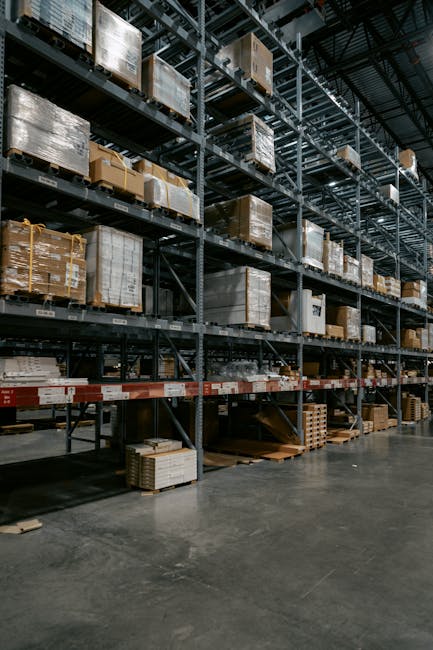
In today’s fast-paced logistics landscape, choosing the right warehouse management system (WMS) can make or break your business’s efficiency and success. With various types of WMS available, understanding their unique features and benefits is essential for optimizing your warehouse operations. This article will guide you through the different types of warehouse management systems, helping you make an informed decision that aligns with your specific needs. Whether you’re a small business or a large enterprise, the right WMS can enhance inventory accuracy, streamline processes, and ultimately drive growth. Dive in to explore the types of warehouse management systems that could revolutionize your operations.
What is a Warehouse Management System (WMS)?
A Warehouse Management System (WMS) is a software solution that helps manage and optimize warehouse operations. It plays a crucial role in the supply chain by ensuring that inventory is stored, tracked, and moved efficiently.
At its core, a WMS provides real-time visibility into inventory levels and warehouse operations. This means businesses can make informed decisions about stock management, order fulfillment, and overall warehouse efficiency.
So, what exactly does a WMS do? Here are a few key functions:
- Inventory tracking and management
- Order processing and fulfillment
- Shipping and receiving management
- Labor management and productivity tracking
These functionalities help businesses streamline their operations, reduce errors, and improve customer satisfaction. Imagine knowing exactly where every item is located in your warehouse at any given moment! This level of insight is invaluable.
Moreover, a WMS can integrate with other systems such as Enterprise Resource Planning (ERP) systems. This integration allows for seamless data sharing across different departments, enhancing overall supply chain management.
| Functionality | Benefit |
|---|---|
| Inventory Management | Reduces stock discrepancies |
| Order Fulfillment | Increases order accuracy |
| Shipping Management | Enhances delivery speed |
Choosing the right WMS can significantly impact your warehouse management strategy. There are various types of warehouse management systems available, each tailored to different business needs. Some are cloud-based, while others are on-premises solutions.
As you explore the types of warehouse management systems, consider factors like scalability, ease of use, and integration capabilities. After all, the right WMS can transform your operations and give you a competitive edge in the supply chain.
In summary, a Warehouse Management System is more than just software; it’s an essential tool for modern warehousing. By implementing a WMS, businesses can achieve better inventory control, improved efficiency, and ultimately, higher customer satisfaction. Isn’t it time to rethink how you manage your warehouse?
Types of Warehouse Management Systems Explained
Warehouse management systems (WMS) are essential tools that help businesses optimize their inventory and streamline operations. But did you know there are different types of warehouse management systems? Understanding these can significantly impact your supply chain efficiency.
First, let’s dive into the most common types of warehouse management systems:
- Standalone WMS
- Cloud-based WMS
- Enterprise Resource Planning (ERP) integrated WMS
- Supply Chain Management (SCM) systems
Standalone WMS is a dedicated software solution that focuses solely on warehouse operations. It’s perfect for businesses that want to maximize their inventory management without the need for complex integrations. Standalone systems can be implemented quickly and usually come with user-friendly interfaces.
Next, we have cloud-based WMS. This type is gaining popularity due to its scalability and accessibility. Since it operates on a cloud platform, users can access the system from anywhere. This is particularly beneficial for businesses with multiple warehouse locations or those looking to expand.
Another type is the ERP integrated WMS. This system connects warehouse management with other core business functions, like finance and sales. By integrating these systems, companies can achieve better visibility across their operations.
Think about it: having all your data in one place can simplify decision-making and improve overall efficiency.
| Type of WMS | Key Features |
|---|---|
| Standalone WMS | Focused on warehouse operations, quick implementation |
| Cloud-based WMS | Scalable, accessible from anywhere |
| ERP Integrated WMS | Unified data across business functions |
Finally, we have supply chain management (SCM) systems. These are more comprehensive and include features that extend beyond just warehouse management. They integrate various aspects of the supply chain, such as procurement, production, and distribution.
Choosing the right type of warehouse management system can be a game-changer for your operations. It’s essential to consider your specific needs and the scale of your business.
So, what’s the best fit for you? If your operations are complex and you need robust features, an ERP integrated WMS might be the way to go. On the other hand, if you’re just starting out, a standalone or cloud-based WMS could provide the flexibility you need.
In conclusion, understanding the types of warehouse management systems available can help you make an informed decision. Each system has its strengths and weaknesses, and the right choice will depend on your unique business requirements. Investing in the right WMS can lead to improved inventory accuracy, better customer service, and ultimately, a more efficient supply chain.
1. Standalone Warehouse Management Systems
Standalone Warehouse Management Systems (WMS) are designed to operate independently of other systems. This means they can manage warehouse operations without being integrated into larger supply chain management solutions.
These systems are particularly beneficial for businesses that want to streamline their operations without the complexity of an all-in-one solution. But what makes standalone WMS so appealing?
One of the primary advantages of standalone warehouse management systems is their flexibility. Companies can choose a system that fits their specific needs without being locked into a larger software suite. This allows for tailored functionalities, such as inventory management, order fulfillment, and shipping processes.
Many businesses also find that standalone WMS can be implemented more quickly than integrated systems. This means faster returns on investment and improved operational efficiency right from the start.
- Flexibility in choosing features
- Quick implementation time
- Cost-effective for smaller operations
Standalone WMS can also be easier to maintain. Since they focus solely on warehouse operations, updates and troubleshooting tend to be more straightforward. This dedicated approach often results in fewer disruptions to day-to-day operations.
However, it’s important to consider the potential drawbacks. For instance, without integration, data sharing between systems may be limited. This can create challenges, especially for businesses that rely heavily on real-time data across their supply chain.
| Pros of Standalone WMS | Cons of Standalone WMS |
|---|---|
| Customizable to specific needs | Limited data sharing with other systems |
| Faster implementation | May require manual data entry |
When evaluating different standalone warehouse management systems, it’s crucial to assess your operational requirements. What specific features do you need? Do you require advanced inventory tracking, or is basic functionality sufficient?
Many standalone WMS options also offer robust reporting tools. These tools can help you analyze inventory levels, order processing times, and other key performance indicators.
This data is invaluable for making informed decisions and optimizing your warehouse operations.
In conclusion, standalone warehouse management systems can be an excellent choice for businesses looking for flexibility and ease of use. They provide essential functionalities that can enhance warehouse operations while allowing for quicker implementation.
However, it’s essential to weigh the pros and cons carefully. Understanding your specific needs will help you choose the best WMS for your warehouse.
After all, the right system can lead to significant improvements in efficiency and productivity.
2. Cloud-Based Warehouse Management Systems
Cloud-based warehouse management systems (WMS) are becoming increasingly popular among businesses of all sizes. Why? Because they offer flexibility and scalability that traditional on-premise systems simply can’t match.
With a cloud-based WMS, your warehouse operations can be managed from anywhere with an internet connection. This means that whether you’re in the office or on the go, you can keep an eye on inventory levels, order fulfillment, and overall warehouse management.
One of the biggest advantages of cloud-based systems is the reduction in upfront costs. Instead of investing heavily in hardware and software, you can often pay a subscription fee based on your usage. This model is especially beneficial for small to medium-sized businesses looking to optimize their supply chain without breaking the bank.
Here are a few key benefits of cloud-based warehouse management systems:
- Cost-effective: Lower initial investment
- Scalability: Easily adjust based on business needs
- Accessibility: Manage operations from anywhere
Another significant advantage is the real-time data access. Cloud-based WMS solutions provide instant updates on inventory levels and order statuses. This helps reduce errors and improve decision-making processes.
Imagine having the ability to track your inventory in real-time. That’s a game changer!
When considering a cloud-based WMS, it’s essential to evaluate the features that best suit your operations. Here’s a quick comparison of popular cloud-based systems:
| System | Key Features |
|---|---|
| System A | Real-time tracking, automated reporting |
| System B | Multi-location support, mobile access |
| System C | Inventory forecasting, integration capabilities |
As you can see, each system offers unique features tailored to different business needs. It’s crucial to assess what your warehouse operations require to choose the right software.
Furthermore, cloud-based solutions often come with regular updates and enhancements, meaning you’re always using the latest technology without additional costs. How great is that?
In conclusion, cloud-based warehouse management systems provide a modern approach to managing your inventory and operations. They are adaptable, cost-effective, and packed with features that can significantly enhance your supply chain efficiency.
So, if you’re considering a WMS, the cloud might just be the way to go!
3. Integrated ERP Warehouse Management Systems
Integrated ERP warehouse management systems are becoming increasingly popular in the world of logistics and supply chain operations. These systems seamlessly combine warehouse management functionalities with enterprise resource planning (ERP) software. But why is this integration so beneficial?
First off, an integrated system allows for real-time data sharing across various departments. Imagine having your inventory levels, order processing, and financials all in sync. This not only enhances efficiency but also reduces the chances of errors that can occur when data is managed separately.
Here are some key benefits of using integrated ERP warehouse management systems:
- Streamlined operations
- Improved accuracy in inventory management
- Enhanced visibility across the supply chain
- Better decision-making through data insights
- Cost savings over time
With an integrated ERP system, you can manage your warehouse operations more effectively. For instance, it enables automated inventory tracking, which is crucial for maintaining optimal stock levels. This means you can avoid both overstocking and stockouts, leading to a smoother operation.
Additionally, these systems often include advanced analytics features. This allows businesses to forecast demand more accurately, making it easier to align inventory levels with customer needs. Isn’t it great to know you can have a finger on the pulse of your inventory?
| Feature | Benefit |
|---|---|
| Real-time data updates | Minimized errors and delays |
| Automated order processing | Faster fulfillment times |
| Advanced analytics | Enhanced forecasting capabilities |
Another significant advantage of integrated ERP warehouse management systems is the improved customer service they can provide. With better inventory visibility, you can offer accurate delivery timelines and reduce lead times. Customers appreciate knowing when they can expect their orders.
Moreover, these systems often come with mobile capabilities. This means warehouse staff can access critical information on-the-go, whether they are picking orders or managing stock levels. Flexibility in operations is vital in today’s fast-paced environment.
In conclusion, integrated ERP warehouse management systems bring a multitude of benefits to modern businesses. They not only streamline operations but also foster better communication across departments. If you’re looking to enhance your warehouse management, considering an integrated ERP solution might just be the way to go.
Are you ready to take your warehouse operations to the next level? The right system can make all the difference.
4. Supply Chain Management Warehouse Systems
Supply chain management warehouse systems (WMS) play a crucial role in enhancing the efficiency of logistics operations. These systems help businesses manage their inventory and optimize their warehouse operations seamlessly. But what exactly do they entail?
At their core, supply chain management warehouse systems integrate various functions of a warehouse, from inventory tracking to order fulfillment. They ensure that the right products are in the right place at the right time. This not only minimizes costs but also improves customer satisfaction.
Here are some key features that define supply chain management warehouse systems:
- Inventory management
- Order processing
- Real-time data tracking
- Automated reporting
- Integration with other supply chain software
One of the greatest advantages of using a WMS is the ability to track inventory in real-time. This feature helps businesses make informed decisions about stock levels and reordering processes. Imagine knowing exactly what you have on hand at any moment-sounds efficient, right?
Moreover, these systems often come equipped with tools for forecasting demand. By analyzing historical data, they can predict future inventory needs, helping businesses stay ahead of the curve. This is especially beneficial in industries with fluctuating demand.
| Feature | Benefit |
|---|---|
| Real-time tracking | Informed decision-making |
| Demand forecasting | Reduced stockouts |
Another significant aspect is the integration capabilities of these systems. A well-implemented WMS can connect with various supply chain software, such as transportation management systems (TMS) and enterprise resource planning (ERP) systems. This creates a cohesive environment where data flows freely, enhancing overall operational efficiency.
So, how do you choose the right supply chain management warehouse system? It’s essential to consider your specific needs. Factors like the size of your warehouse, the volume of inventory, and the complexity of your operations will influence your choice.
When evaluating options, look for systems that offer scalability. As your business grows, your WMS should adapt to your evolving needs. Additionally, user-friendly interfaces and robust customer support can make a significant difference in your operational efficiency.
In summary, supply chain management warehouse systems are vital for modern businesses aiming to streamline their operations. By leveraging these systems, companies can improve inventory management, enhance order processing, and ultimately boost customer satisfaction.
Are you ready to elevate your warehouse operations? The right WMS could be the key to unlocking your supply chain potential.
5. Industry-Specific Warehouse Management Systems
When it comes to warehouse management systems (WMS), one size certainly does not fit all. Different industries have unique needs that can greatly affect their operations. Understanding the types of warehouse management systems tailored to specific industries can help businesses optimize their supply chain and improve efficiency.
Let’s explore some industry-specific warehouse management systems that cater to various sectors.
1. Retail Warehouse Management Systems
Retailers face the challenge of managing a vast array of products, often with high turnover rates. A retail-focused WMS can help streamline inventory management, order fulfillment, and shipping processes. These systems often include features like real-time inventory tracking and automated replenishment.
- Real-time inventory visibility
- Automated order processing
- Integration with e-commerce platforms
With the right warehouse management system, retailers can enhance customer satisfaction through timely deliveries and accurate stock levels. Isn’t that what every retailer strives for?
2. Manufacturing Warehouse Management Systems
Manufacturers have specific requirements when it comes to warehouse operations. A manufacturing WMS focuses on managing raw materials, work-in-progress inventory, and finished goods. These systems often incorporate features for tracking production schedules and managing assembly lines.
| Key Features | Benefits |
|---|---|
| Production tracking | Increased efficiency |
| Quality control | Reduced waste |
By implementing a manufacturing WMS, companies can streamline their operations and ensure that inventory levels align with production needs. This alignment is crucial for maintaining a smooth supply chain.
3. Food and Beverage Warehouse Management Systems
The food and beverage industry is unique due to strict regulations and the perishable nature of products. A specialized WMS for this sector focuses on compliance, traceability, and inventory rotation. Features like batch tracking and expiration date management are essential.
- Compliance with safety regulations
- Batch and lot tracking
- First-in, first-out (FIFO) inventory management
These systems help ensure that products are stored and distributed in a manner that meets safety standards, which is vital for consumer trust. How important is that in today’s market?
4. Pharmaceutical Warehouse Management Systems
Similar to food and beverage, the pharmaceutical industry requires stringent controls. A pharmaceutical WMS is designed to manage inventory levels while complying with regulations. Features such as serialization and temperature monitoring are crucial for maintaining product integrity.
| Key Features | Benefits |
|---|---|
| Temperature control | Preserved product quality |
| Serialization | Enhanced traceability |
Implementing a pharmaceutical WMS not only improves operational efficiency but also safeguards public health. This is a responsibility that cannot be taken lightly.
In conclusion, choosing the right warehouse management system tailored to your industry can significantly enhance your operations. Whether you’re in retail, manufacturing, food and beverage, or pharmaceuticals, understanding these specific needs is key to optimizing your supply chain.
6. WMS Lite for Micro Fulfillment Centers
In today’s fast-paced retail environment, micro fulfillment centers are becoming increasingly popular. They offer a solution for businesses looking to streamline their operations and meet customer demands efficiently. A Warehouse Management System (WMS) Lite is specifically designed for these centers, providing essential features without the complexity of larger systems.
WMS Lite solutions are perfect for smaller operations that may not require the full suite of functionalities offered by traditional warehouse management systems. They focus on core features like inventory tracking, order management, and basic reporting.
So, what can you expect from a WMS Lite? Here are some key features:
- Simple inventory management
- Real-time order processing
- User-friendly interface
- Cost-effective pricing
These systems are designed to be intuitive. This means less training time for your staff and quicker implementation. Imagine having a system that allows you to focus on enhancing your supply chain operations without getting bogged down by unnecessary complexity.
When choosing a WMS Lite, consider how it integrates with your existing software. Compatibility is crucial for ensuring smooth operations and effective data sharing.
| Feature | Benefit |
|---|---|
| Inventory Tracking | Maintain accurate stock levels |
| Order Management | Streamline order fulfillment |
| User-Friendly Interface | Reduce training time |
Another significant advantage of WMS Lite is its scalability. As your business grows, your warehouse management system can evolve with it. You won’t have to worry about outgrowing your software. This adaptability is crucial in the ever-changing landscape of supply chain management.
Moreover, WMS Lite is typically cloud-based. This means you can access your system from anywhere, which is particularly beneficial for remote work or managing multiple locations. Just think about the flexibility that brings to your operations!
When evaluating WMS Lite options, keep an eye out for customer support. Reliable support can make a huge difference, especially when you encounter issues that need immediate resolution.
Here are a few popular WMS Lite solutions in the market:
- Fishbowl
- Zoho Inventory
- QuickBooks Commerce
In summary, WMS Lite for micro fulfillment centers provides a streamlined approach to warehouse management. It balances essential features with user-friendliness, making it an attractive choice for small to medium-sized operations. As you explore your options, consider the specific needs of your supply chain and how a WMS Lite can help you achieve your operational goals.
Benefits of Using a Warehouse Management System
Implementing a warehouse management system (WMS) can transform your supply chain operations. With the right WMS, you can enhance efficiency, reduce costs, and improve inventory accuracy. But what are the specific benefits?
First and foremost, a WMS provides real-time visibility into your inventory. This means you can track stock levels, orders, and shipments at any moment. Imagine having the ability to know exactly where every item is located in your warehouse!
- Improved inventory accuracy
- Enhanced order fulfillment
- Streamlined operations
Another significant advantage is the automation of various warehouse processes. With a WMS, tasks such as picking, packing, and shipping can be automated, reducing human error and saving time. This automation can lead to faster order processing and improved customer satisfaction.
Additionally, a warehouse management system can help optimize your storage space. By analyzing data, a WMS can suggest the best locations for your products, maximizing your warehouse’s capacity. Who wouldn’t want to make the most of their available space?
| Benefit | Impact |
|---|---|
| Real-time inventory tracking | Increased accuracy and efficiency |
| Automation of processes | Reduced errors and faster processing |
Moreover, a WMS can enhance your overall supply chain management. By integrating with other systems, it allows for better collaboration with suppliers and customers. This connectivity can lead to improved forecasting and inventory planning.
Lastly, let’s not forget about cost savings. By optimizing operations and reducing errors, a warehouse management system can significantly lower operational costs. Isn’t that something every business aims for?
In conclusion, understanding the various types of warehouse management systems is crucial for businesses aiming to optimize their inventory management and streamline operations. Each type of warehouse management system, whether it’s a standalone solution, an integrated system, or a cloud-based platform, offers unique features and benefits tailored to meet specific operational needs. By evaluating the scale of your operations, the complexity of your inventory, and your long-term business goals, you can select the right warehouse management system that aligns with your requirements. Moreover, as technology continues to evolve, staying informed about emerging trends such as artificial intelligence, machine learning, and automation in warehouse management can provide a competitive edge. Investing in the appropriate warehouse management system not only enhances efficiency but also improves accuracy, reduces costs, and ultimately leads to greater customer satisfaction. As you consider the types of warehouse management systems available, remember that the right choice can transform your logistics and supply chain processes, driving sustainable growth and success for your business.
Leave a Reply